Cleopatra VII is often remembered for her legendary beauty and romantic liaisons, but her true legacy lies in her formidable intelligence, strategic diplomacy, and cultural mastery. She navigated Egypt’s turbulent political landscape with wit and resilience, forging alliances with Rome’s greatest leaders not out of vanity but as calculated moves to preserve her kingdom’s independence. Far from a superficial seductress, Cleopatra was a scholar-queen who valued education, spoke multiple languages, and engaged actively with the Library of Alexandria. Her leadership was rooted in leveraging cultural traditions, religious authority, and deep political insight—qualities that fueled her resilience against external threats. Yet, her reputation has long been shaped by myths and stereotypes emphasizing charm over competence. Today, her story challenges us to see her as a multidimensional figure—an inspiring testament to the power of the mind over superficial allure, reminding us that true influence stems from intelligence, cultural understanding, and unwavering vision.
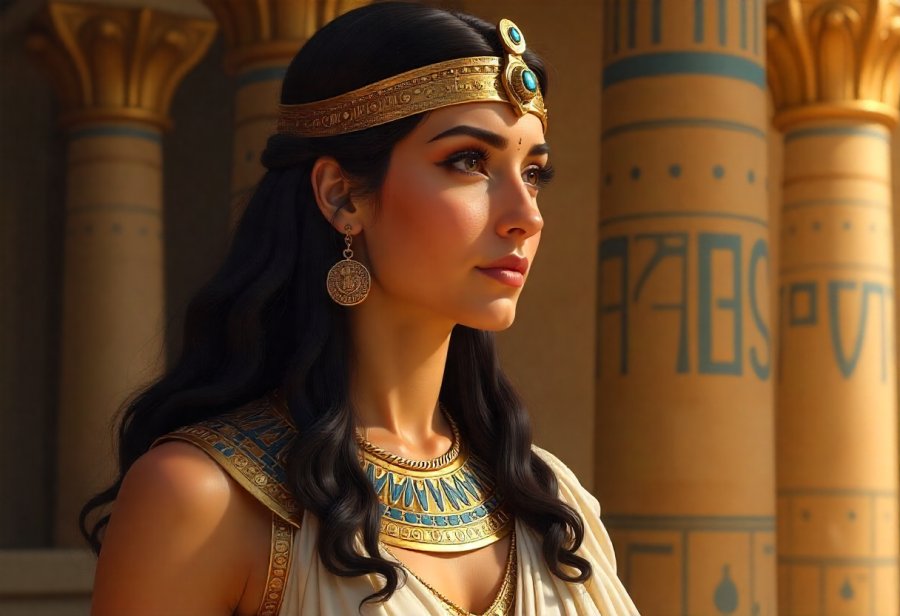
Cleopatra’s Mind: The True Source of Power
Cleopatra VII is often remembered for her beauty and romantic liaisons, but her true significance lies in her sharp mind and adept leadership. She was not merely a legendary figure of allure but a highly intelligent ruler who understood the complexities of her world. As the last active monarch of Egypt’s Ptolemaic dynasty, she faced a period of upheaval, with Roman power expanding and internal struggles threatening her throne. Cleopatra’s ability to navigate this turbulent landscape was rooted in her diplomatic finesse, cultural knowledge, and strategic thinking.
Egypt during her reign was a land of grandeur and deep history, yet increasingly vulnerable to external forces. While its temples and monuments still spoke of divine authority, the political reality was fragile. Rome’s influence grew steadily, pushing Cleopatra to find ways to preserve her independence. She employed her cultural roots and religious authority to legitimize her rule, aligning herself with Egypt’s sacred traditions to reinforce her legitimacy. Her mastery lay in her perception, her ability to manipulate both internal and external politics, making her a formidable figure not just for her beauty but for her intelligence.
Her relationships with influential Roman leaders like Julius Caesar and Mark Antony weren’t just personal alliances—they were strategic moves designed to safeguard Egypt’s sovereignty. Cleopatra understood the importance of diplomatic marriages and cultural diplomacy to bolster her position. These alliances helped her counterbalance Rome’s rising dominance and preserve her kingdom’s autonomy. Her talents extended beyond alliance-building; she was a keen observer of political shifts, quick to adapt her strategies to changing circumstances, maintaining her influence in a world dominated by foreign powers.
Beyond her political acumen, Cleopatra was a scholar-queen who valued education and intellectual growth. Fluent in multiple languages, including Egyptian, Greek, and Latin, she communicated directly with diplomats and scholars, breaking down language barriers. Her involvement with the Library of Alexandria reflected her commitment to learning, not just for personal enrichment but as a strategic tool to reinforce her authority. Cleopatra challenged stereotypes of superficial beauty by emphasizing her dedication to scholarship and cultural mastery, which strengthened her leadership and enduring legacy.
In essence, Cleopatra’s power stemmed from her mind—her intelligence, diplomacy, and cultural insight. She knew that leadership in turbulent times depended on strategic thinking, resilience, and the ability to adapt. Her capacity to think several steps ahead, build genuine cross-cultural relationships, and leverage her knowledge allowed her to maintain her throne amid chaos. Her legacy reminds us that true leadership goes beyond appearances; it’s rooted in the strength of the mind and the ability to influence through insight and resilience.
Mastering Leadership: Cleopatra’s Strategic Depth
Cleopatra’s leadership was far more intricate and strategic than the stories often suggest. She understood that wielding power in her era was about more than commanding armies or issuing decrees; it was about shaping perceptions, forging alliances, and managing cultural influence. Her diplomatic skills shone through in her ability to navigate the complex political landscape of Rome, Egypt, and the wider Mediterranean. Cleopatra masterfully used marriage, diplomacy, and cultural diplomacy to strengthen her position, blending Egyptian traditions with Hellenistic practices to legitimize her rule.
Her approach was proactive rather than reactive. Cleopatra anticipated challenges before they fully materialized and adjusted her tactics swiftly. Fluent in multiple languages—Egyptian, Greek, Latin—she engaged directly with diplomats, scholars, and foreign leaders, breaking down language barriers that could have hindered her authority. Her involvement with the Library of Alexandria reflected her deep commitment to knowledge, which she used as a strategic asset to bolster her legitimacy and influence.
Cleopatra’s understanding of Egyptian religion and tradition played a central role in her leadership style. She portrayed herself as a divine monarch, linking her authority to Egypt’s gods and participating actively in traditional ceremonies. This spiritual connection helped her garner loyalty among her people and fostered unity, uniting native customs with Hellenistic royal practices. Such cultural insight allowed her to connect deeply with her subjects, reinforcing her legitimacy on both a spiritual and political level.
Her diplomacy extended beyond mere alliances; her marriages and relationships with Julius Caesar and Mark Antony weren’t just personal or romantic but calculated moves to preserve Egypt’s independence. Cleopatra understood that her survival depended on building and maintaining strategic relationships with powerful external figures. Her cultural diplomacy, political wit, and ability to balance competing interests helped her retain power despite external pressures, demonstrating her capacity for long-term strategic thinking.
Throughout her reign, Cleopatra adhered to core principles of leadership—cultivating loyalty, fostering knowledge, and projecting divine authority. Her multilingual abilities, engagement with scholarly pursuits, and participation in religious ceremonies all reinforced her legitimacy. She recognized that true influence stemmed from cultivating trust and understanding across cultures, not just military might or superficial charm. Her multifaceted approach combined intelligence, cultural mastery, and strategic agility, making her a formidable ruler in turbulent times.
Her leadership was rooted in resilience and vision. Cleopatra faced external threats from Rome and internal rivals, yet she remained steadfast, always keeping her long-term goals in focus. Her capacity to adapt, plan ahead, and stay committed to her legacy exemplifies a form of leadership that values patience, mental toughness, and cultural insight. Her story underscores that enduring influence relies on the strength of the mind—an insight that continues to inspire leadership today.
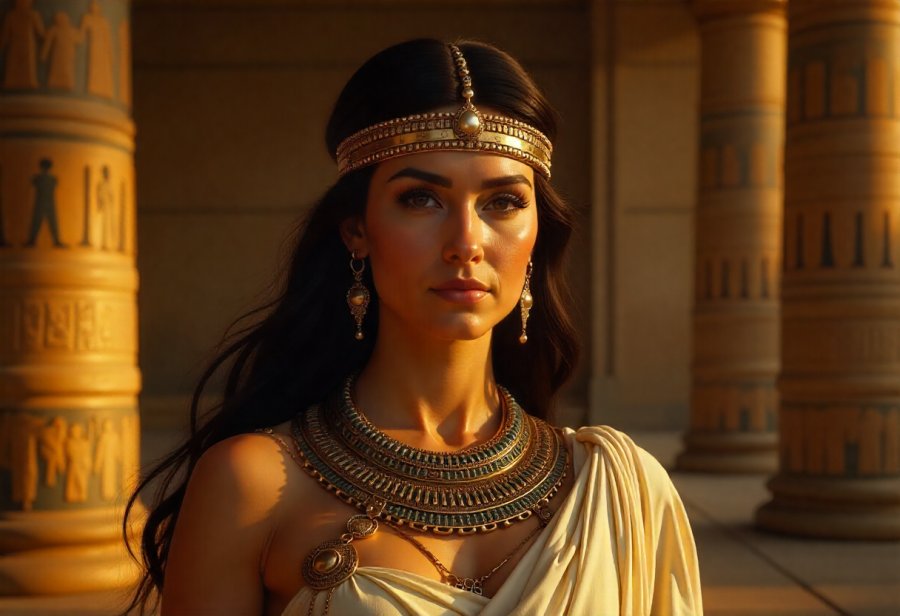
Myth and Reality: Unraveling Cleopatra’s Legacy
Cleopatra’s reputation is a complex tapestry woven from both admiration and misunderstanding. For centuries, stories have painted her in contrasting lights—some celebrating her as a brilliant strategist and resilient leader, others depicting her as a seductress whose charm and personal allure manipulated powerful men. These opposing images reflect deep-rooted cultural biases and political agendas that continue to shape her legacy today.
Roman writers, in particular, played a significant role in shaping her image. Their accounts often emphasized her beauty and romantic liaisons, framing her as a temptress whose influence was rooted in seduction rather than strategy. Such narratives served political purposes, reducing her to a stereotype of female manipulation and overshadowing her true achievements as a ruler. This portrayal minimized her intelligence, diplomatic skill, and cultural mastery, casting her as a figure of superficial allure rather than a formidable leader.
Modern scholarship challenges this one-dimensional view, highlighting Cleopatra’s diplomatic acumen, her multilingual abilities, and her deep understanding of Egyptian religion and tradition. Researchers emphasize her strategic alliances with Julius Caesar and Mark Antony as deliberate moves to preserve Egypt’s independence—significantly more than personal pursuits or romantic entanglements. This shift in perspective recognizes her as a resilient, intelligent leader who navigated a turbulent political landscape with foresight and skill.
Cultural depictions in literature, film, and theater often romanticize her as a symbol of seduction and allure, further reinforcing gender stereotypes that focus on charm over competence. These portrayals tend to dismiss her long-term vision, her scholarly pursuits, and her cultural influence, reducing her to a mythic figure rather than acknowledging her as a complex, strategic thinker. Such narratives obscure her true leadership qualities and diminish her legacy.
Today, scholars work to peel back these layers of myth and bias, aiming to present a fuller, more nuanced picture. Recognizing her as a resilient, culturally sophisticated, and politically astute ruler allows us to appreciate her as a multidimensional figure who understood that influence stems from intellect, strategic thinking, and resilience—not superficial charm or romantic legend. This broader perspective honors her real legacy: that true power lies in the strength of the mind.
Lessons from Cleopatra: Applying Ancient Wisdom Today
Cleopatra’s leadership qualities resonate strongly today, offering valuable lessons beyond her time. Her ability to adapt swiftly to changing circumstances and forge strategic alliances remains relevant in modern politics and business. Leaders today can learn that flexibility and foresight often matter more than rigid plans or sheer force. Staying alert to shifting dynamics and adjusting tactics accordingly can make the difference between success and failure.
Her emphasis on cultural awareness and diplomacy highlights a timeless truth: understanding different perspectives and traditions can be powerful tools for influence. Cleopatra’s skill in engaging with diverse cultures—Egyptian, Greek, and Roman—showed that respect and empathy foster trust and loyalty. In our interconnected world, practicing cultural intelligence isn’t just respectful; it’s strategic, helping build stronger, more genuine alliances.
Education and curiosity fueled Cleopatra’s leadership. Her involvement with the Library of Alexandria symbolized her belief that knowledge is a key resource for resilience and influence. Today’s leaders who prioritize ongoing learning and stay curious are better equipped to navigate complex challenges. Embracing new ideas and seeking continuous growth helps maintain a competitive edge and adapt to an ever-changing landscape.
Relationships also played a crucial role in her strategy. Cleopatra’s alliances with Julius Caesar and Mark Antony weren’t just personal or romantic—they were deliberate, strategic moves to preserve Egypt’s independence. Building authentic, mutually beneficial relationships remains vital in modern diplomacy, business, and leadership. Her example reminds us that influence often depends on the strength and authenticity of the connections we cultivate.
Cultural diplomacy was central to Cleopatra’s success. She blended native Egyptian traditions with Hellenistic practices, creating a leadership style rooted in cultural relevance and spiritual authority. Today, respecting and integrating diverse cultural elements can foster loyalty, unity, and trust across different groups. Effective leadership often hinges on connecting with people at a cultural and emotional level, just as Cleopatra did.
Her resilience and long-term vision continue to inspire. Facing external threats and internal rivals, she remained committed to her goals, demonstrating mental toughness and patience. Cleopatra’s capacity to stay focused amid chaos underscores the importance of perseverance and strategic thinking. Her example encourages leaders to prioritize sustainability and legacy, recognizing that true influence is built on resilience and insight.
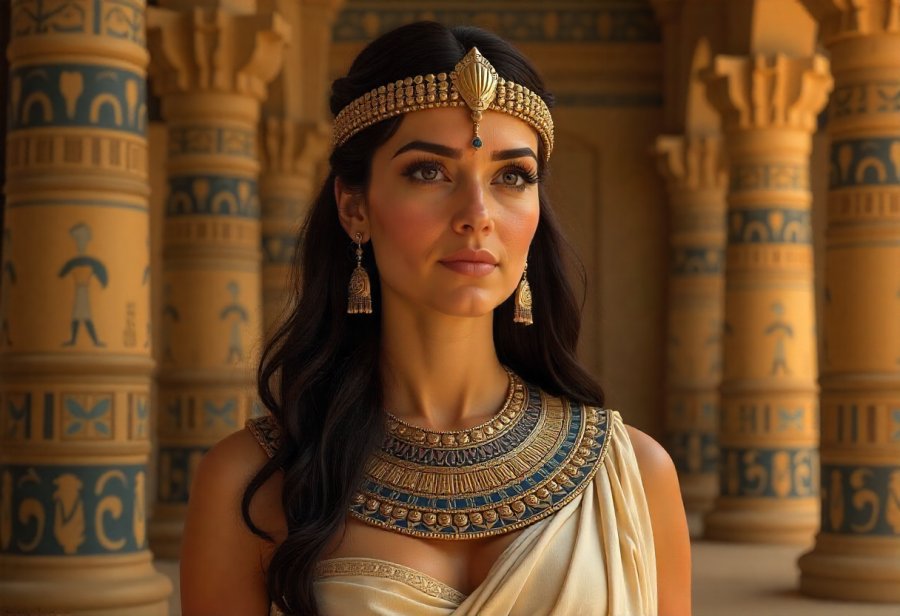
The Enduring Power of the Mind: Cleopatra’s Lasting Legacy
Cleopatra’s true power was never rooted solely in her royal titles or political alliances; it resided in her mind—her intelligence, strategic foresight, and cultural insight. She understood that in turbulent times, leadership depended far more on mental acuity than on superficial charm or surface appearances. Her ability to think several steps ahead, swiftly adapt her strategies, and leverage her deep knowledge set her apart, enabling her to navigate the complex web of Roman politics, Egyptian traditions, and shifting alliances with remarkable finesse.
Her mastery of diplomacy and cultural understanding proved that influence comes from insight and empathy. Cleopatra recognized early on that building genuine relationships across cultural divides could secure her kingdom’s future. Whether engaging with Greek, Egyptian, or Roman traditions, she knew that respecting and integrating diverse perspectives fostered trust and loyalty—traits that strengthened her authority and legitimacy. This cultural diplomacy wasn’t just strategic; it was a way of connecting authentically with her people and her rivals alike.
Throughout her reign, resilience and patience defined her leadership. She faced external threats from mighty Rome and internal rivals, yet she remained unwavering in her pursuit of her vision. Her capacity to stay committed amid chaos exemplified mental toughness and long-term thinking. Cleopatra’s focus was always on legacy—she understood that enduring influence required perseverance and the ability to adapt without losing sight of her core goals.
Her commitment to knowledge and education played a vital role in her enduring impact. Supporting the Library of Alexandria and fostering intellectual pursuits, she created an environment where ideas flourished. This emphasis on learning wasn’t just personal curiosity; it was a strategic foundation for maintaining her authority and inspiring loyalty. Cleopatra understood that a mind well-informed and curious is a powerful tool for resilience and influence.
Her legacy challenges the stereotypes that often overshadow her achievements. She demonstrated that strength and resilience aren’t gender-specific qualities but qualities of the mind and character. Her ability to govern effectively, to resist external pressures, and to craft a long-lasting influence shows that true power lies in intellect and strategic vision. Cleopatra’s story reminds us that leadership rooted in insight and resilience outlasts fleeting appearances or superficial allure.
In the end, her story underscores a vital truth: leadership’s greatest influence stems from the strength of the mind. Cleopatra’s capacity to think ahead, connect across cultures, and remain steadfast amid chaos created a legacy that transcended empires. She knew that lasting impact is built on clarity, purpose, and the courage to lead with confidence and intelligence. Her example continues to inspire those who believe that genuine power begins within the mind—and that’s what makes her truly legendary.