Learning to ride a bike stands as a timeless symbol of courage, independence, and resilience, capturing a child’s journey from hesitation to triumphant confidence. But does the fear of falling overshadow the thrill of liberation? This heartwarming exploration reveals how families serve as vital guides—offering patience, encouragement, and shared triumphs—transforming falls into stepping stones for growth. Beyond the technical skill, this milestone teaches children that setbacks are natural and necessary, fostering grit and a growth mindset. As young riders wobble, stumble, and eventually glide solo, they develop trust in their abilities, laying the foundation for future challenges. Through expert insights and practical strategies, the narrative underscores that nurturing confidence involves creating safe environments, celebrating small victories, and embracing persistence. Ultimately, learning to ride is more than a skill—it’s a profound lesson in overcoming fear and embracing the joy of independence, raising the question: is the risk worth the reward of freedom?
Embracing Growth and Independence: The Power of Learning to Ride
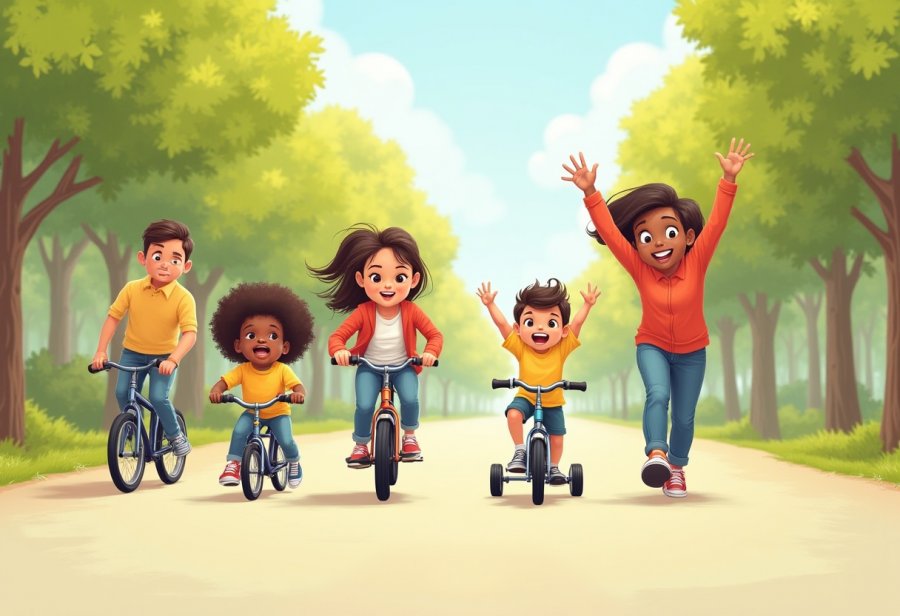
Learning to ride a bike is more than just a practical skill; it’s a milestone that captures the essence of growth, courage, and connection. For children, those first wobbly attempts and triumphant rides symbolize stepping into independence, a moment when hesitation gives way to confidence. It’s a rite of passage that sparks joy and pride, marking a shift from reliance on others to trusting their own abilities.
For families, teaching a child to ride is a shared journey filled with patience, encouragement, and emotional bonds. Watching a young rider wobble, fall, and then get back up creates a powerful sense of perseverance and trust. Parents and caregivers serve as guides, steadying hands, or simply cheerleaders, reinforcing the message that overcoming fears is part of growing up. These moments become treasured memories, woven into the fabric of family life.
Beyond the technical challenge, learning to ride a bike embodies themes of bravery and resilience. Each attempt, whether successful or not, teaches children that setbacks are just stepping stones toward mastery. Falling isn’t failure—it’s part of the process that builds grit and determination. When children realize that courage means pushing through discomfort, they start to see challenges as opportunities to grow rather than obstacles to avoid.
The symbolic importance of riding a bike extends into everyday life. It’s about trusting oneself to navigate new terrains, facing fears head-on, and embracing the thrill of independence. The first solo ride becomes a milestone of self-trust, a sign that a child is ready to explore the world with confidence. These lessons in bravery and persistence lay a foundation for handling future challenges with resilience and optimism.
Support from family plays a crucial role in this journey. Whether through gentle guidance, steadying hands, or words of encouragement, adults help transform the daunting into the doable. Celebrating small victories—like balancing a little longer or pedaling more steadily—fosters a sense of achievement and fuels the desire to try again. In this way, the act of learning to ride becomes a bonding experience that nurtures trust and mutual support.
Learning to ride a bike isn’t just about balance on two wheels; it’s about cultivating a mindset that values effort, patience, and perseverance. It’s a symbol of growth that extends beyond childhood, reminding us all that overcoming fears and embracing challenges can lead to personal freedom. Each wobble and fall becomes part of a larger story of resilience—one that shapes confident, independent individuals ready to face whatever comes next.
Celebrating Courage and Joy: The Transformative Journey of Learning to Ride
Learning to ride a bike goes beyond mastering balance; it’s a powerful moment that marks a child’s emotional growth and burgeoning confidence. When a young rider pedals independently for the first time, it’s a leap from hesitation to pride, symbolizing progress and resilience. These small victories—whether staying upright a few seconds longer or gliding smoothly—become meaningful milestones that stretch far beyond the bike, shaping a child’s sense of capability and self-trust.
For families, these moments are more than just technical achievements; they’re emotional landmarks that forge stronger bonds. Watching a wobbling child fall and then get back up fosters a shared sense of perseverance and patience. The encouragement from parents—whether through gentle words or steadying hands—turns the learning process into a bonding ritual, reinforcing the message that overcoming fears is part of growing up. These shared experiences become treasured memories, woven into the fabric of family life and trust.
As children learn to ride, they also learn about themselves. Each wobble, fall, and comeback teaches that setbacks are not failures but stepping stones. Conquering the natural fear of falling builds resilience, showing kids that discomfort and challenge are integral to growth. When children realize that falling is just part of the learning process, they develop a mindset that challenges are opportunities rather than obstacles. This attitude not only improves their cycling skills but also prepares them to face future difficulties with confidence and persistence.
Support from family plays a crucial role in nurturing this self-assurance. When parents cheer on every small step—like balancing longer or pedaling more steadily—they reinforce that effort and progress matter more than perfection. Celebrating these moments encourages children to embrace risks and view failures as natural parts of learning. With patience and positive reinforcement, children gradually internalize that they are capable of more than they might initially believe, transforming their fear into excitement.
Ultimately, learning to ride becomes a symbol of independence and bravery. It’s a journey that teaches children to face fears head-on and to trust in their own abilities. Each successful ride, each wobble overcome, and each fall embraced as part of the process helps foster resilience and confidence that will serve them well beyond childhood. These lessons in courage and perseverance lay a foundation for embracing future challenges, making the simple act of riding a bike a meaningful step toward a lifetime of growth.
Building Confidence and Independence: Practical Strategies for Young Cyclists
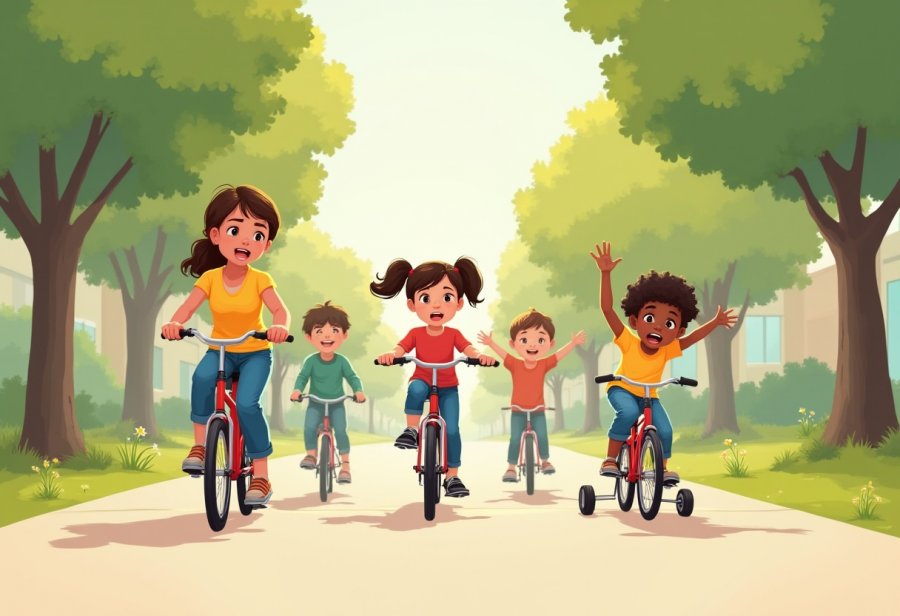
Supporting children in building confidence and independence on a bike begins with creating a safe, welcoming environment. A quiet driveway, a park’s open space, or any low-traffic area provides the ideal setting for young riders to focus solely on balancing and pedaling without added pressure. Starting with training wheels or a balance bike helps children get comfortable with the basic motions, laying a stable foundation before attempting unsupported rides. Celebrating even small successes—like balancing a few seconds longer or pedaling more steadily—reinforces their sense of achievement and encourages them to keep trying.
Encouragement is key. When parents or caregivers applaud each milestone, it shows kids that effort matters more than perfection. Recognizing progress—such as maintaining balance or pedaling with more control—fosters a positive attitude towards learning. Modeling calmness and enjoyment on the bike further influences their mindset, teaching them that mistakes are normal and part of the journey, not something to fear. When children see adults embracing the process with patience, they’re more likely to mirror that resilience.
Gradually removing supports like training wheels or assistance allows children to practice independence at their own pace. Rushing this step can create frustration, but a steady, supportive approach builds trust in their abilities. Patience helps children feel safe to try, wobble, fall, and get back up without feeling pressured. Each small step forward—whether balancing longer or pedaling with more confidence—strengthens their belief that they can handle new challenges.
Reinforcing that setbacks are normal nurtures resilience. When children wobble or fall, framing those moments as part of learning encourages a growth mindset. Encouraging them to see falls as opportunities to improve, rather than failures, helps develop perseverance. This mindset not only enhances their cycling skills but also prepares them to face setbacks in other areas of life with confidence.
Creating a positive, supportive environment turns learning to ride into a rewarding experience. When children associate cycling with fun and achievement, they become more eager to practice and explore. Praising effort over results makes the process less intimidating and more motivating, transforming fears into excitement. As they gain confidence, they see themselves as capable explorers, eager to push their limits and embrace independence.
Supporting their efforts and celebrating progress helps transform fear into confidence. Every wobble, fall, and triumphant ride teaches that persistence, patience, and support are crucial. These lessons extend beyond cycling, shaping resilient, self-assured individuals ready to face future challenges. Encouraging a growth mindset ensures that each new ride becomes a step towards greater independence and trust in their own abilities.
Expert Insights: Psychological and Physical Aspects of Learning to Ride
Learning to ride a bike involves more than just physical coordination; it taps into a child’s psychological growth as well. Experts emphasize that fostering a growth mindset—where mistakes and falls are seen as natural steps—helps children develop resilience and encourages perseverance. When kids understand that falling isn’t a sign of failure but part of mastering a new skill, they become more willing to keep trying despite setbacks. This perspective not only enhances their cycling abilities but also builds confidence that extends to other challenges in life.
Starting in flat, open spaces is a common recommendation among instructors. These environments allow children to focus on balancing and pedaling without feeling overwhelmed by obstacles or traffic. Using tools like balance bikes or training wheels initially provides stability and helps kids get comfortable with the movements involved. As their skills improve, transitioning away from supports becomes smoother, reinforcing their independence and trust in their abilities.
Positive reinforcement plays a vital role in nurturing young riders. When children succeed in small ways—such as balancing a few seconds longer or pedaling more steadily—they associate cycling with achievement rather than fear. Recognizing effort over perfection reminds kids that persistence matters. Adults modeling calmness, patience, and enjoyment on the bike further influences their mindset, showing that mistakes are just part of the learning process.
Creating a safe, supportive environment is crucial. When children see that wobbling or falling isn’t a catastrophe but an expected part of growth, their anxiety diminishes. Encouraging them to view setbacks as opportunities to learn fosters a resilient attitude. This approach helps children internalize that persistence and patience lead to progress, making the journey less intimidating and more rewarding.
Gradual removal of aids like training wheels allows children to build trust in their skills at their own pace. Rushing this step can cause frustration, but steady, gentle guidance helps reinforce their confidence. Each small victory—becoming steadier on the pedals or balancing longer—strengthens their belief that they can handle new challenges. This process aligns with psychological principles that patience and consistent support accelerate learning.
Research supports the idea that combining professional guidance with encouragement and patience speeds up progress. When children feel safe and supported, they’re more likely to embrace the challenge of learning to ride. This not only speeds up skill acquisition but also fosters a resilient mindset, helping them approach future obstacles with optimism and grit.
Learning to ride a bike is as much an emotional journey as a physical one. When supported by understanding experts and caring adults, children develop confidence that lasts. They learn that setbacks are just steps toward mastery and that persistence opens doors to independence. These lessons in resilience and self-trust extend well beyond childhood, shaping confident, capable individuals prepared to face whatever challenges lie ahead.
Completing the Journey: Overcoming Fears and Embracing Future Challenges
Learning to ride a bike is more than just acquiring a skill; it’s a powerful step toward independence, courage, and resilience. Each wobble, fall, and triumphant pedal stroke teaches children that challenges are part of growth and that perseverance pays off. Overcoming the natural fear of falling isn’t simply about safety—it’s about building confidence to face new experiences with optimism. When kids realize that setbacks are temporary and manageable, they develop a mindset that transforms hesitation into curiosity and fear into excitement.
Supporting children through this journey requires patience and encouragement. Celebrating small successes, like balancing a little longer or pedaling more steadily, helps foster a sense of achievement. When adults emphasize effort over perfection, children learn that persistence and practice matter more than immediate results. This positive reinforcement not only accelerates their skill development but also nurtures a resilient attitude that they can carry into many areas of life.
As children gain confidence, they begin to see themselves as capable explorers, eager to take on new challenges. The act of mastering riding becomes a symbol of trust in their own abilities and a stepping stone to greater independence. Each successful ride reinforces their belief that with patience, support, and effort, they can conquer fears and reach new milestones. These lessons in self-trust and determination lay a foundation that will serve them well far beyond childhood.
Moving forward, creating opportunities for continued practice and celebrating progress keeps the momentum alive. Setting gentle, achievable goals and gradually introducing new environments help children expand their skills. Encouraging a mindset that views setbacks as natural parts of the learning process fosters resilience and joy in discovery. By nurturing their confidence and emphasizing the journey rather than just the destination, adults help children embrace independence as an ongoing adventure.
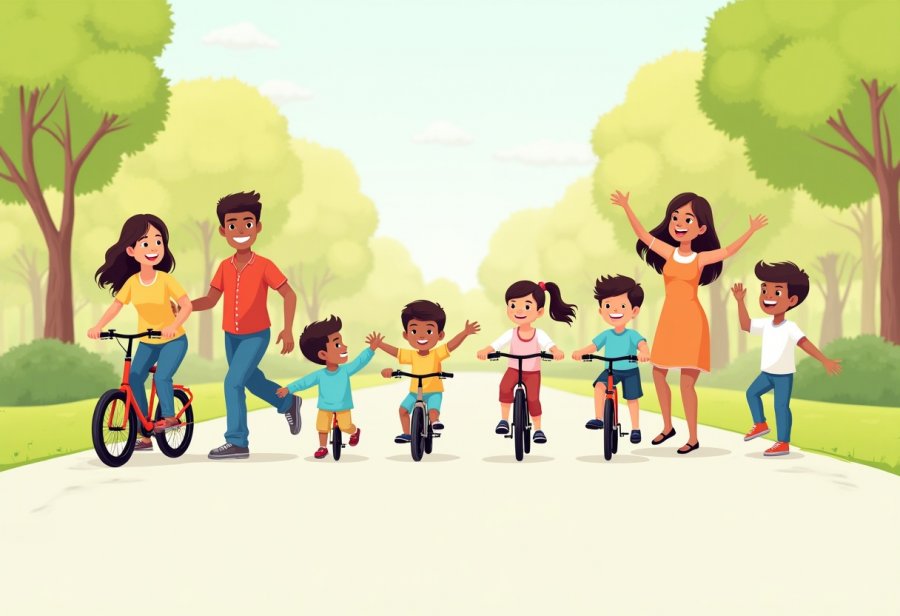
The journey of learning to ride a bike is a shared experience that shapes much more than physical ability. It cultivates a resilient spirit, teaches the value of persistence, and deepens bonds within families. When children realize that falling is just a part of learning, they become more willing to take risks and explore the world around them. This process prepares them to face future challenges with courage and optimism, making every pedal stroke a step toward a lifetime of confidence and self-reliance.