Winter tires are often seen as essential for safe driving in icy and snowy conditions, but do they truly deliver on their promises? This compelling exploration uncovers the science behind their design—softer rubber compounds and specialized tread patterns that maintain grip when traditional tires harden in cold weather. While many drivers rely on winter tires for confidence and control, the real-world evidence shows a marked improvement in stopping distances and vehicle responsiveness on slippery roads. Yet, skepticism remains: Are they a vital safety tool or just a comforting myth? From cost considerations to technological advancements, this insight offers a balanced look at whether switching to dedicated winter tires can make the difference between risking a slip or arriving safely. Prepare to rethink what you know about winter driving safety and discover if these tires are the game-changer they’re claimed to be.

Unveiling the Truth About Winter Tires: Do They Really Ensure Safety?
Winter tires are a familiar sight once temperatures start to dip and snow begins to fall, but do they truly deliver on their promises? For many drivers, swapping to winter tires is just a routine seasonal switch, but questions about their real effectiveness keep lingering. Are they genuinely improving safety and grip on icy roads, or are they simply a comforting accessory that offers peace of mind without much substance? This debate has gained fresh relevance as climate patterns become more unpredictable, making the choice of the right tires more critical than ever.
When temperatures fall below about 7°C (45°F), the performance of regular tires begins to decline. Roads become slicker, and stopping distances increase—especially on ice or packed snow. Winter tires are specifically designed to handle these hazards. Their softer rubber compounds stay flexible in the cold, helping the tires maintain better contact with icy surfaces. Their tread patterns, with deeper grooves and biting edges, are built to grip snow and ice more effectively than all-season tires, providing a noticeable difference when conditions turn harsh.
There are many misconceptions about winter tires. Some assume they’re only necessary in extremely cold climates, but in reality, they’re beneficial whenever temperatures stay below 7°C. Others believe all-season tires are enough for winter driving, but these tires tend to harden and lose grip in cold weather. Winter tires, on the other hand, are engineered specifically for cold, icy, and snowy conditions, offering a real safety advantage during winter months.
Understanding what sets winter tires apart helps clarify their value. Their rubber compounds remain soft and pliable in low temperatures, improving traction. The tread patterns feature deeper channels and numerous tiny slits called sipes, creating more biting edges to grip ice and snow. These design features help evacuate slush and water, reducing hydroplaning risks and improving control. This focused approach means winter tires offer a tangible safety benefit, especially in challenging winter conditions.
While winter tires aren’t a magic solution, their benefits are supported by testing and driver feedback. Vehicles with dedicated winter tires consistently stop faster and respond better on slippery surfaces. Drivers often report feeling more confident and in control when driving on icy patches. Although extreme conditions like black ice or deep slush can still challenge even the best tires, the overall impact of winter tires is clear—they’re a key safety tool for navigating winter roads with greater assurance.
Winter Tires vs. All-Season: What Makes the Difference?
Winter tires are designed specifically to perform well in cold, icy, and snowy conditions. Unlike all-season tires, which aim to handle a variety of weather patterns, winter tires focus on tackling the unique challenges that winter brings. Their key difference lies in the rubber compounds—they use a softer, more flexible material that remains pliable even when temperatures drop well below freezing. This flexibility helps the tire maintain better contact with icy and snowy surfaces, giving you improved grip and control.
The tread patterns on winter tires are also distinct. They feature deeper grooves and more biting edges, crafted to grip snow and ice more effectively. These deeper channels help evacuate slush, snow, and water from beneath the tire, reducing the risk of hydroplaning and increasing traction. Small slits called sipes run across the tread blocks, creating additional biting edges that cut into ice and packed snow. This design ensures that winter tires can bite into slippery surfaces more confidently than their all-season counterparts.
All-season tires are built to provide a balance across dry, wet, and light winter conditions, but they have their limits. Their rubber compounds tend to harden as temperatures fall, diminishing their ability to grip icy surfaces. While all-season tires can handle mild winter weather, they often struggle in severe cold or deep snow. Summer tires, optimized for warm weather, become stiff and lose traction quickly in cold conditions, making winter tires the better choice once the temperature drops.
The standards for winter tires are set by organizations like the Rubber Manufacturers Association, which certifies tires with the “Three Peak Mountain Snowflake” (3PMSF) symbol. This mark indicates that the tire has passed specific snow and ice traction tests, ensuring a minimum level of performance in winter conditions. When choosing winter tires, it’s also crucial to consider their size and compatibility with your vehicle, along with maintaining proper inflation and tread depth. These factors are vital to ensure optimal performance when it matters most.
Understanding these fundamental differences helps drivers see why winter tires are essential for safe winter driving. Their specialized design ensures better grip, shorter braking distances, and more reliable control in cold and icy conditions. Switching to winter tires at the right time can make a real difference, providing peace of mind during the winter months and helping you stay safer on the roads when conditions are at their worst.
Real-World Results: How Winter Tires Improve Your Drive
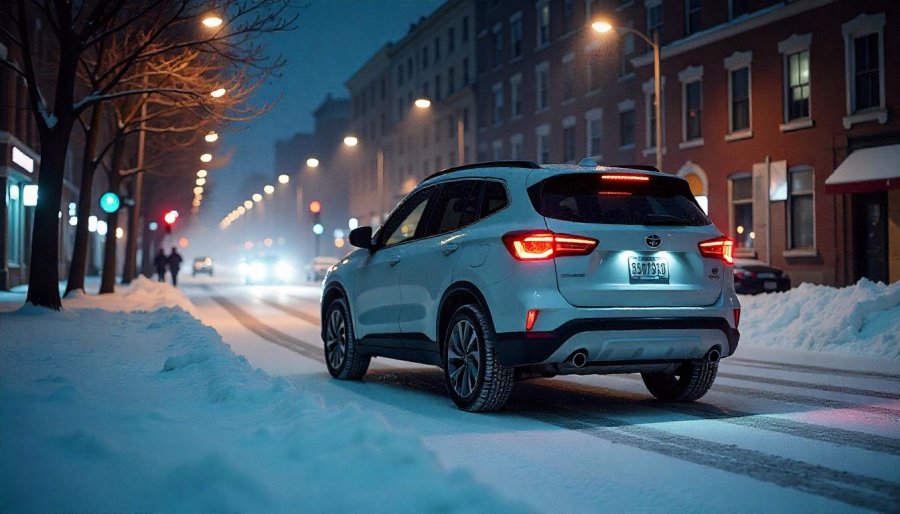
Real-world testing consistently shows that winter tires deliver significant improvements in traction, braking, and control on icy and snowy roads. Independent safety organizations regularly conduct controlled experiments comparing winter tires with all-season or summer tires. These tests reveal that vehicles equipped with dedicated winter tires stop much faster on snow and ice—sometimes dozens of meters sooner—which can be the critical difference in avoiding a collision. Drivers who switch to winter tires often report feeling more confident, especially during sudden winter storms or icy patches, because their cars respond more predictably under slippery conditions.
Driver experiences support these lab results. Many recount how their vehicles handle more confidently on slick surfaces, with improved steering precision and shorter stopping distances. This enhanced grip isn’t just about comfort—it’s a crucial safety feature that can help prevent accidents. For example, someone navigating icy city streets credits their winter tires for helping them avoid a slide during a sudden stop, a feat they couldn’t have managed with all-season tires. These stories highlight how winter tires transform winter driving from risky to manageable.
However, winter tires aren’t a cure-all. Extreme conditions like black ice or deep slush still pose challenges, even for the best tires. Worn tread or improper inflation can reduce their effectiveness, underscoring the importance of regular maintenance. No tire can fully eliminate the risks associated with winter driving, but the performance boost from dedicated winter tires is undeniable. They significantly reduce the likelihood of slipping and skidding, giving drivers a crucial safety margin when conditions are at their worst.
Comparing winter tires to all-season and summer options emphasizes their advantages. All-season tires tend to harden in cold weather, losing grip on icy surfaces. Summer tires become stiff and lose traction quickly as temperatures drop. Winter tires, designed specifically for cold climates, stay flexible and maintain their grip, enabling better braking, steering, and overall control. This difference is especially noticeable during prolonged cold snaps or heavy snowfall, where winter tires consistently outperform other types.
Advancements in tire technology continue to improve winter tire performance. New rubber compounds remain pliable at extremely low temperatures, while smarter tread designs create more biting edges. Some manufacturers are developing studless models that mimic the grip of traditional studs without damaging roads, further enhancing traction on ice. These innovations make winter tires more reliable and longer-lasting, providing drivers with peace of mind season after season.
Timing your switch to winter tires is crucial. When temperatures stay below 7°C for extended periods, their benefits become clear. Waiting until a snowstorm arrives can leave you unprotected, increasing the risk of accidents. Installing winter tires early ensures they’re properly broken in and ready to handle sudden weather shifts. Proactively equipping your vehicle means fewer surprises and safer journeys, especially during unpredictable winter storms.
Overall, real-world evidence makes one thing clear: winter tires make a tangible difference. They improve grip, shorten stopping distances, and boost driver confidence in icy and snowy conditions. While they don’t eliminate every hazard, the safety gains are substantial. For anyone facing winter roads, investing in quality winter tires isn’t just smart—it’s a vital step toward safer driving when it matters most.
Cost Considerations: Budgeting for Your Winter Safety Gear
Buying winter tires isn’t just about the sticker price—it involves a few additional costs that can add up over time. The initial expense varies widely depending on the brand, size, and quality you select. Premium options tend to last longer and perform better in tough conditions but come with a higher price tag. Cheaper tires might save money upfront, but they often wear out faster and may not provide the same level of grip when you need it most. Balancing cost with safety is key, especially if you live in an area with severe winter weather.
Beyond the purchase, installation costs are a significant factor. Mounting and balancing your tires typically require professional help, which can add another few dozen dollars per set. Some shops offer package deals that include storage and rotation services—shopping around can help you find the best value. Regular maintenance, like tire rotations and inspections, prolongs tire life and ensures consistent performance, but these routine expenses should be factored into your overall budget.
Replacing worn tires is unavoidable and crucial for safety. As tread depth diminishes, their ability to grip icy surfaces drops sharply. Expect to replace your winter tires every few seasons or sooner if you drive frequently. Proper inflation and regular pressure checks are vital because under- or over-inflated tires not only wear faster but also compromise traction. Neglecting maintenance can lead to costly repairs and diminish the safety benefits winter tires offer.
Considering the broader financial picture, winter tires can actually save you money in the long run. They substantially reduce the risk of accidents caused by slipping or skidding, which can lead to expensive repairs or insurance claims. In some regions, having reliable winter tires might even lower your insurance premiums, as they’re recognized as a safety feature. Plus, by preventing damage from poor traction, winter tires help protect other vehicle components, extending their lifespan and reducing maintenance costs.
To keep expenses manageable, look for deals, discounts, or off-season sales, especially during late summer or early fall. Many retailers offer packages that include mounting, balancing, and storage, which can significantly cut costs. Sometimes choosing slightly older models or less premium brands still provides excellent winter traction at a lower price—just ensure they meet safety standards. Proper maintenance and timely replacements maximize your investment, making winter tires a cost-effective safety upgrade.
In the end, investing in winter tires balances safety with financial sense. While the upfront costs might seem steep, the safety benefits and peace of mind they provide during harsh winter conditions are invaluable. Planning ahead and understanding all associated expenses ensures you make a budget-conscious choice that keeps you safer on icy roads season after season. Winter tires aren’t just an expense—they’re a smart, practical investment in your safety and confidence every winter.

Transforming Winter Driving: Confidence, Safety, and Peace of Mind
Winter tires can truly transform your daily driving experience when temperatures drop and roads become icy. Many drivers notice a marked boost in confidence because their vehicle responds more predictably on slick surfaces. The enhanced grip means steering feels more precise, braking is more responsive, and the chances of slipping or skidding are significantly reduced. This isn’t just comfort; it’s a crucial safety upgrade that helps you navigate winter’s unpredictable conditions with greater assurance.
Driver stories reinforce the data from tests and studies. People often share how switching to winter tires makes their cars handle more confidently in snow and on ice. They notice quicker stops, sharper turns, and less slipping, especially during sudden storms or icy patches. This improved traction can be the difference between safely avoiding a slide and ending up in a dangerous skid. Feeling more in control also means less stress and hesitation, making winter driving less nerve-wracking overall.
Of course, winter tires aren’t a cure-all. Black ice, deep slush, or worn tires still pose risks, regardless of the type of tire. Proper maintenance—like regular inflation, tread checks, and timely replacements—is essential to keep them performing at their best. Even with top-tier tires, cautious driving remains necessary. But the difference in how your vehicle responds is clear: winter tires significantly improve grip and stability, giving you a crucial safety margin when conditions are at their worst.
Many underestimate how much winter tires can change their perception of safety. Once equipped, drivers often feel more secure and less anxious about icy roads. This sense of reassurance encourages safer driving habits—more gradual braking, careful steering—which further reduces accident risks. The confidence gained from better traction doesn’t just improve safety; it makes winter journeys more predictable and less stressful, transforming what can be a dangerous season into a manageable one.
In the end, the impact of winter tires extends beyond just handling—they influence safety, peace of mind, and everyday driving comfort. Shorter stopping distances, improved control, and increased confidence mean you’re better prepared for winter’s surprises. These small but significant improvements can prevent accidents, protect your vehicle, and help you arrive at your destination safer and more relaxed. Investing in quality winter tires isn’t just about equipment; it’s about making winter driving safer, easier, and more manageable.