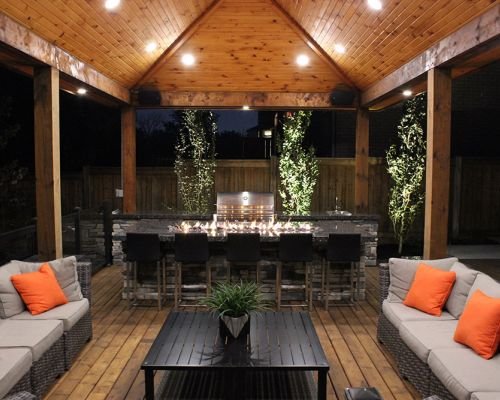
Transforming Toronto yards into stunning outdoor retreats is more than just a design trend—it’s a movement blending beauty, functionality, and sustainability. How can homeowners create vibrant, eco-friendly spaces that withstand Toronto’s seasonal shifts while enhancing daily life? This guide explores foundational principles of landscape design, emphasizing native plants, balanced aesthetics, and flexible layouts that reflect individual lifestyles. Innovative features like fire pits, water elements, and atmospheric lighting turn ordinary yards into captivating sanctuaries. Real-world examples demonstrate how sustainable practices—rain gardens, permeable paving, recycled materials—can elevate outdoor spaces without sacrificing style. Looking forward, advancements in eco-technology and collaborative design promise a future where Toronto’s landscapes are resilient, visually stunning, and environmentally responsible. Are we shaping outdoor environments that not only inspire but also contribute to a healthier city and planet? Ultimately, these thoughtful transformations highlight a shared commitment to harmony between urban living and ecological stewardship.
Transform Your Outdoor Space with Toronto Landscape & Design
Looking to elevate your Toronto backyard? Toronto Landscape & Design (TLD) specializes in stunning outdoor transformations, offering expert services in natural stone installations, water gardens, irrigation systems, and retaining walls. Our award-winning designers take everything into consideration, ensuring your space is both functional and breathtaking. Whether you’re envisioning a tranquil water feature or durable stone features, TLD is your go-to for a comprehensive backyard makeover. Contact us today at 1.416.644.0499 or email [email protected] to start creating the outdoor oasis you’ve always dreamed of.
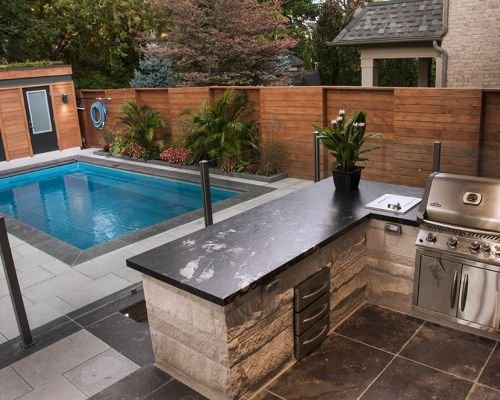
Transforming Toronto Yards into Personal Retreats: Unlocking Nature and Style
Transforming outdoor spaces in Toronto has become more than just a trend; it’s a way for homeowners to craft personal retreats that enhance their daily lives and property value. In a city renowned for its vibrant urban scene and diverse climate, creating a backyard that strikes the right balance between beauty and practicality presents unique challenges—and exciting opportunities. A well-designed outdoor space can serve as a peaceful escape from the city’s hustle, a lively gathering spot, or a sanctuary to reconnect with nature—all from the comfort of home.
As Toronto continues to grow and urbanize, residents are increasingly eager to make their yards more inviting and functional. Limited yard sizes and a heightened awareness of environmental issues have shifted the focus toward eco-friendly solutions that don’t sacrifice style. This means choosing sustainable materials, native plants, and innovative features that can handle Toronto’s seasonal shifts, ensuring the yard remains vibrant year-round.
The appeal of yard transformations goes beyond aesthetics. A thoughtfully designed outdoor space can significantly boost curb appeal and increase property value, making it a smart investment. But more importantly, these spaces improve everyday life—offering a calming environment to unwind after work or a lively setting for outdoor gatherings. In a city where green space can be limited, having a lush, functional yard becomes a valuable extension of your home and lifestyle.
Designing these outdoor retreats requires an understanding of Toronto’s climate and environment. Cold winters and warm summers demand resilient plants and durable materials that can withstand seasonal changes. Incorporating sustainability from the outset ensures the landscape remains easy to maintain and environmentally friendly, reducing stress and long-term costs while maximizing enjoyment.
The growing interest in eco-conscious landscapes reflects a broader desire to harmonize outdoor beauty with environmental responsibility. Homeowners and landscape professionals are adopting practices that support biodiversity, conserve water, and minimize waste. This shift transforms outdoor projects from mere beautification efforts into contributions toward a healthier city and planet.
Landscape design in Toronto is evolving into a craft that blends artistry with ecology. It’s about creating outdoor spaces that are visually stunning, highly functional, and environmentally sustainable. Turning yards into beautiful, resilient retreats isn’t just a passing trend—it’s a meaningful movement toward more livable urban environments. Exploring how to make Toronto yards into sustainable escapes helps us understand the tools, principles, and innovations making this possible, inspiring homeowners and professionals alike to craft outdoor spaces that reflect the city’s vibrant spirit and commitment to sustainability.
Foundations of Effective Landscape Design: Harmony, Sustainability, and Flexibility
Effective landscape design hinges on core principles that guide the creation of outdoor spaces that are both beautiful and sustainable. Achieving harmony requires a thoughtful balance between visual appeal and practicality. This means carefully selecting plants, hardscapes, and features that work together cohesively, rather than competing for attention. Proper proportion and scale are essential; too many large elements can feel overwhelming, while too few can make the space seem sparse. Striking the right balance ensures the yard feels inviting and well-structured.
Focal points are key to engaging outdoor environments. Whether it’s a striking tree, a sculpture, or a water feature, these elements draw the eye and add personality to the space. They serve as anchors around which the rest of the design can revolve, guiding the viewer’s gaze and creating visual interest. Incorporating such features also encourages residents to spend more time outside, enjoying their yard as a personal retreat.
Native plants and eco-friendly materials form the foundation of sustainable design. Native species are naturally adapted to Toronto’s climate, often requiring less water, fewer fertilizers, and minimal maintenance. This approach conserves resources and supports local ecosystems by promoting biodiversity. When selecting materials, recycled and biodegradable options not only reduce environmental impact but also add durability, ensuring the landscape remains resilient through seasonal shifts.
Flexibility in design allows outdoor spaces to evolve over time. Defining zones for dining, relaxation, or gardening makes the yard adaptable to changing needs and seasons. Clear pathways and multi-purpose areas improve functionality, facilitating ease of movement and use. Choosing plant varieties that thrive in various conditions keeps the landscape vibrant year-round, ensuring the space remains practical and attractive over the long term.
Listening closely to client preferences is vital in shaping successful landscapes. Whether a homeowner seeks a peaceful sanctuary, an entertainment hub, or a low-maintenance garden, understanding these goals informs the entire design process. Visual tools like mood boards or digital renderings help clients envision the final result, fostering a sense of ownership and satisfaction. When a yard reflects the homeowner’s lifestyle and aesthetic, their connection to the space deepens.
Sustainable practices should be embedded from the beginning. Stormwater management features like rain gardens and permeable paving reduce runoff and prevent water overloads, while native plants thrive naturally with minimal intervention. Energy-efficient lighting, especially solar-powered options, adds ambiance without increasing energy consumption. These choices create landscapes that withstand Toronto’s seasonal extremes, requiring less fuss and contributing positively to the environment.
Integrating balance, native plants, flexibility, and eco-conscious materials results in outdoor spaces that are both stunning and resilient. These principles ensure each project enhances curb appeal while supporting environmental health. They help create landscapes that not only look good but also function well and endure over time, making outdoor retreats that are both beautiful and sustainable a reality for Toronto homeowners.
By adhering to these foundational principles, landscape design becomes a thoughtful process that marries artistry with ecology. The goal is to craft outdoor environments that inspire, relax, and stand the test of seasons. When design choices are guided by these core concepts, yards transform into vibrant, sustainable retreats—spaces where beauty and responsibility go hand in hand.
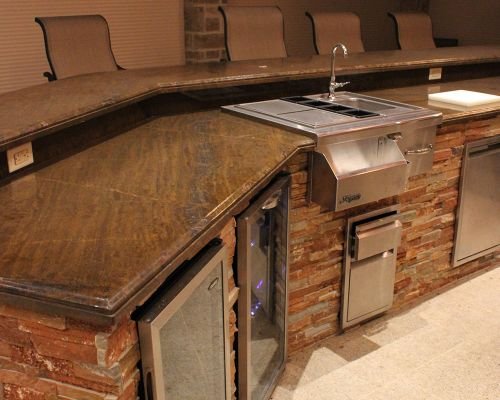
Innovative Outdoor Features: Creating Captivating and Sustainable Spaces
Innovative outdoor features are the secret sauce for turning a basic yard into a captivating retreat. Moving beyond simple landscaping, adding elements like built-in fire pits, water features, or outdoor kitchens creates eye-catching focal points and functional spaces that invite outdoor living. A well-placed fire pit, for example, becomes a cozy gathering spot in the evening, encouraging lingering conversations and warmth. Water features, whether a fountain or a small pond, add a soothing ambiance and attract local wildlife, enriching the outdoor experience. These elements transform a yard from merely attractive to truly engaging.
Lighting plays a pivotal role in extending the usability and charm of outdoor spaces after sunset. Modern LED fixtures, string lights, and solar-powered options can turn a yard into a warm, inviting environment. Highlighting key features, defining pathways, or creating a magical atmosphere encourages residents to enjoy their yard well into the evening hours. Thoughtfully designed lighting not only enhances safety but also elevates the overall aesthetic, making the space feel curated and inviting.
Designing with sustainability in mind doesn’t mean sacrificing style. Native plants, which thrive naturally in Toronto’s climate, require less water and fewer chemicals, supporting local ecosystems and reducing maintenance. Incorporating permeable paving and rain gardens helps manage stormwater sustainably, preventing runoff and protecting waterways. Using eco-friendly materials like recycled metal, reclaimed wood, and biodegradable composites adds durability and reduces environmental impact. These elements ensure the landscape remains resilient through Toronto’s seasonal extremes while maintaining a polished look.
Creative features should seamlessly integrate into the overall landscape plan. For instance, positioning a fire pit near comfortable seating and ambient lighting creates an intimate gathering zone. Water features can serve as focal points that blend into natural surroundings, providing both visual appeal and tranquility. The key is balancing these elements so they complement each other without cluttering the space. When thoughtfully combined, they elevate the yard’s functionality and visual interest, turning it into a true outdoor sanctuary.
Incorporating innovative features fosters ongoing outdoor enjoyment. A yard that includes inviting gathering spots, soothing water elements, and atmospheric lighting becomes a place residents genuinely want to spend time. This not only boosts property value but also enhances daily life, offering a personalized haven that reflects the homeowner’s style and values. By blending aesthetics with eco-consciousness, these features create a landscape that’s both beautiful and practical, ready to serve as a vibrant retreat for years to come.
Real-World Success Stories: Balancing Eco-Friendliness and Aesthetic Appeal
Real-world examples highlight how Toronto homeowners are successfully blending sustainability with visual appeal. For instance, a backyard featuring a rain garden designed to manage stormwater showcases native plants that thrive naturally, creating a lively space that attracts birds and pollinators. These projects prove that eco-friendly solutions can be beautiful, demonstrating that environmental responsibility and aesthetic appeal go hand in hand.
Another successful approach involves permeable paving combined with native meadow plantings. This setup allows rainwater to soak into the ground, reducing runoff and supporting local ecosystems. The yard appears lush and natural, almost an extension of the surrounding landscape. Using recycled materials for walkways and fences further emphasizes sustainability without sacrificing style, making the landscape both durable and visually pleasing.
Many yard transformations incorporate native plants that flourish with minimal care and chemical inputs. Native grasses and flowering species add vibrant colors and textures, creating a resilient environment that needs less watering and fertilizers. These choices lower long-term costs and environmental impact, showing that selecting the right plants can harmonize beauty with eco-consciousness.
Stormwater management techniques like rain gardens and permeable surfaces are increasingly common in Toronto. One project captured runoff from a roof and driveway into a rain garden filled with native plants, turning a functional feature into a natural focal point. Such solutions demonstrate that sustainable features can be seamlessly integrated, offering both practical benefits and aesthetic value in everyday outdoor spaces.
Sharing detailed visions and understanding Toronto’s unique climate help homeowners and designers craft tailored landscapes that balance beauty with responsibility. These real-world applications show that eco-friendly design isn’t just achievable but also cost-effective over time, providing lasting beauty and resilience. By studying these examples, homeowners can see how sustainability and style can work together to create outdoor retreats that are both stunning and environmentally sound.
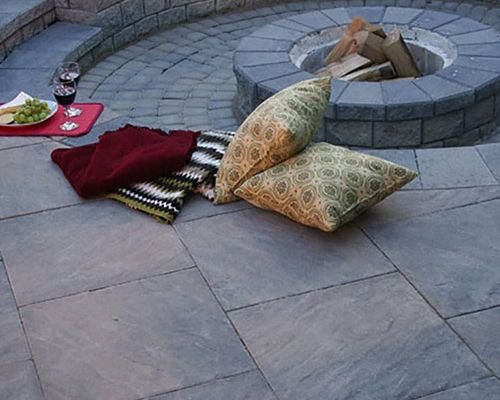
Shaping the Future of Toronto Yards: Innovation, Sustainability, and Community Stewardship
Looking to the future, Toronto’s outdoor landscapes are poised for exciting growth driven by innovation and a deepening commitment to sustainability. Advances in eco-friendly materials, smart irrigation systems, and native plant technologies will continue to expand the possibilities for creating yards that are both beautiful and resilient. These innovations don’t just enhance visual appeal—they also reduce environmental impacts, making outdoor retreats easier to maintain and more eco-conscious.
Progress will hinge on collaboration among homeowners, designers, and environmental experts. When these groups share ideas and develop solutions together, they can craft outdoor spaces that seamlessly blend aesthetics with ecological responsibility. This ongoing exchange of knowledge fuels creativity, inspiring designs that are more efficient, sustainable, and tailored to Toronto’s unique climate and urban environment.
Staying informed about emerging trends and adopting new green technologies will become essential for maintaining relevance and maximizing benefits. From renewable energy options to water-saving systems and native plant choices, these tools help build landscapes that support biodiversity and reduce resource consumption. As Toronto continues to grow, the importance of adaptable, environmentally friendly outdoor spaces becomes even clearer.
Creating sustainable outdoor retreats isn’t just a short-term goal—it’s a legacy for future generations. By prioritizing eco-friendly practices today, homeowners and designers lay the groundwork for resilient landscapes capable of withstanding Toronto’s seasonal extremes. These efforts foster a sense of stewardship and responsibility, encouraging ongoing innovation that benefits not only individual properties but the community and environment at large.
The most inspiring outdoor environments will be those that marry cutting-edge design with a strong ecological ethic. As new technologies develop and our understanding of sustainability deepens, the potential for transforming yards into vibrant, eco-friendly havens will only grow. Embracing this future means continuously exploring fresh ideas, sharing best practices, and committing to responsible stewardship of our urban green spaces.
This ongoing dedication to innovation and sustainability will ensure Toronto’s outdoor landscapes remain resilient through seasons and generations. These spaces will not only elevate quality of life but also serve as models for responsible urban living. By focusing on continuous improvement, homeowners and professionals can create outdoor retreats that are as enduring as they are beautiful, inspiring others to follow suit.
The journey toward greener, more sustainable yards is a collective effort that promises to keep inspiring creativity and environmental consciousness. As we explore new ideas and technologies, Toronto’s outdoor spaces will reflect the city’s vibrant spirit and its commitment to harmony with nature. In this way, the future of outdoor landscaping becomes a shared adventure—one that enriches lives, protects the environment, and elevates the urban experience for all.