Nylon’s ubiquity in our daily lives masks a troubling truth: its production is deeply intertwined with environmental degradation. Derived from fossil fuels, nylon’s manufacturing involves energy-intensive chemical processes that release greenhouse gases, toxic pollutants, and microplastics into ecosystems. These tiny fibers shed from garments and industrial waste persist in landfills and waterways for centuries, harming marine life and entering the human food chain. As nylon continues to dominate industries from fashion to automotive, the urgent question arises: can innovation and responsible policies steer us toward sustainable alternatives? Emerging solutions like chemical recycling and bio-based fibers offer hope, but widespread change depends on consumer choices, industry shifts, and stronger regulations. This compelling tension between convenience and ecological cost compels us to reconsider our reliance on this synthetic fiber—before irreversible damage seals our environmental fate.

Unraveling Nylon: Its Ubiquity and Hidden Environmental Costs
Nylon is one of the most common synthetic fibers found in our everyday environment. Whether in the clothes we wear, the carpets under our feet, or the sportswear we rely on, nylon’s durability and affordability make it a popular choice across countless applications. Since its invention in the 1930s, nylon transformed the textile industry by providing a strong, versatile alternative to natural fibers like silk and cotton. Its ability to stretch, resist wear, and be produced at a low cost has made it a staple in modern manufacturing, shaping consumer habits and production methods alike.
Beneath its practical advantages lies a complex web of environmental concerns rooted in its origins. Nylon is derived from petrochemicals—fossil fuels obtained through extraction processes that can cause habitat destruction and pollution. The transformation of these raw resources into nylon involves energy-intensive chemical reactions, primarily polymerization, which links small molecules into long, stable chains. This process relies heavily on fossil fuels, contributing to greenhouse gas emissions and accelerating climate change. The extraction and refining of crude oil and natural gas are not only resource-depleting but also tied to environmental degradation and pollution.
The chemicals used in nylon production, such as benzene, hexamethylenediamine, and adipic acid, are toxic and derived from non-renewable sources. Manufacturing these substances involves reactions that can release hazardous pollutants into the environment, impacting nearby ecosystems and communities. During polymerization, factories consume large amounts of energy, often sourced from burning fossil fuels, which further fuels emissions. Additionally, the production process releases volatile organic compounds and other pollutants that degrade local air quality and contribute to smog formation, intensifying the environmental footprint of nylon from the very beginning.
As nylon fibers are spun and processed into textiles, further environmental issues emerge. Microfibers—tiny plastic particles—shed from nylon garments during washing escape filtration systems and enter our waterways. These microplastics pose a threat to marine life, as they are ingested by aquatic organisms, disrupting ecosystems and eventually making their way into the human food chain. Discarded nylon items can linger in landfills for centuries, slowly breaking down into smaller fragments that leach chemicals into soil and groundwater. This persistence exacerbates the global plastic waste crisis and highlights nylon’s long-lasting environmental impact.
Understanding nylon’s lifecycle reveals how deeply intertwined it is with environmental harm. From resource extraction and chemical pollution to microplastic contamination and waste accumulation, each stage emphasizes the need for change. Recognizing these issues encourages consumers, industries, and policymakers to seek sustainable alternatives and rethink how we produce and use this ubiquitous fiber. Moving beyond nylon isn’t just about waste reduction—it’s about addressing the foundational dependencies that threaten our planet’s health and stability.
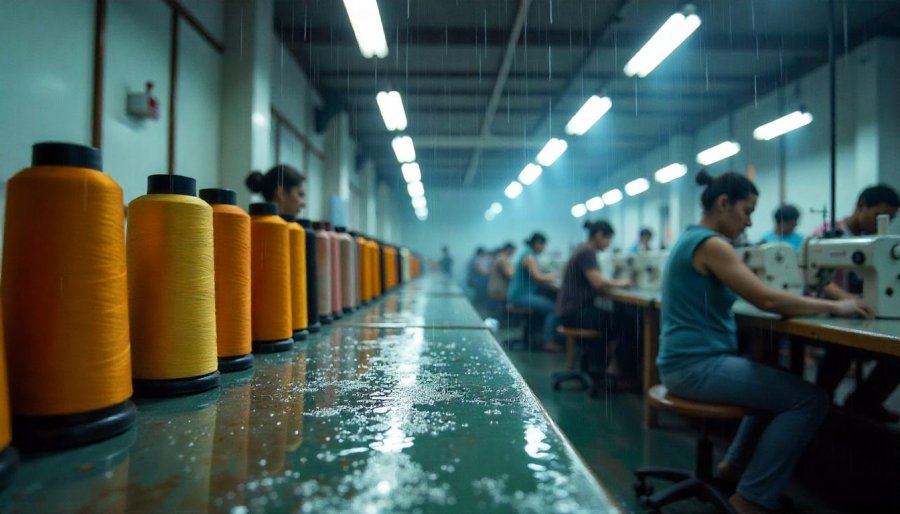
The Hidden Toll of Nylon Production: From Petrochemicals to Pollution
Nylon production begins with the extraction of petrochemicals from deep underground reserves of crude oil and natural gas. These fossil fuels serve as the raw materials for creating the chemicals that form nylon’s fundamental building blocks. The transformation from raw resource to usable chemical involves complex, energy-intensive processes that are central to nylon’s environmental footprint. Polymerization, the key step where small molecules are linked into long, stable chains, requires significant amounts of heat and electricity, mostly derived from fossil fuels. This dependency on non-renewable resources not only depletes finite reserves but also releases substantial greenhouse gases into the atmosphere.
Once extracted, these petrochemicals are refined into essential chemicals such as benzene, hexamethylenediamine, and adipic acid. The synthesis of these substances is fraught with environmental challenges. Toxic reactions during manufacturing can emit hazardous pollutants, including volatile organic compounds and greenhouse gases, which contribute to smog formation and climate change. Chemical runoff from factories can seep into soil and water, contaminating ecosystems and posing health risks to nearby communities. The environmental cost of producing these chemicals extends beyond the factory fence, affecting local air and water quality and putting wildlife at risk.
The polymerization process, which chemically links these small molecules into long nylon chains, demands enormous energy input. Factories rely heavily on electricity and heat generated predominantly from burning fossil fuels. This creates a cycle in which nylon’s production directly contributes to carbon emissions, fueling climate change. Moreover, the chemicals involved are persistent in the environment, capable of lingering long after production ends. If not properly managed, they can contaminate surrounding ecosystems and pose ongoing risks to both wildlife and human health.
Beyond chemical synthesis, physical processes like fiber spinning and finishing add layers of environmental impact. During these steps, factories emit volatile organic compounds and particulate matter that degrade local air quality. Chemical runoff from manufacturing sites can seep into nearby soil and water bodies, spreading toxic substances that threaten aquatic ecosystems and human health. These pollutants often persist long after production has ceased, embedding nylon’s environmental harm into the surrounding environment and complicating cleanup efforts.
A particularly troubling aspect of nylon’s lifecycle is the shedding of microfibers during production and subsequent use. Tiny nylon particles, too small to be filtered out by standard wastewater treatment, escape into rivers and oceans. Once in aquatic environments, microplastics are ingested by marine organisms, disrupting ecosystems and entering the food chain. This process not only harms marine life but also raises concerns about human exposure, as microplastics ultimately find their way onto our plates. Discarded nylon items, which can persist in landfills for hundreds of years, break down slowly into smaller fragments, leaching chemicals into soil and groundwater over time—adding to the mounting plastic waste crisis.
All these stages of nylon’s production and lifecycle reveal a pattern of environmental degradation driven by reliance on fossil fuels and toxic chemical processes. From resource extraction to manufacturing emissions, and finally to microplastic pollution, each step compounds nylon’s environmental toll. Recognizing how deeply woven nylon’s production is with ecological harm highlights the need for urgent change. Innovations in recycling, the development of bio-based alternatives, and stricter regulations are essential to break this cycle and reduce the industry’s footprint. Moving forward, a shift toward more sustainable practices isn’t just desirable; it’s imperative for the health of our planet.
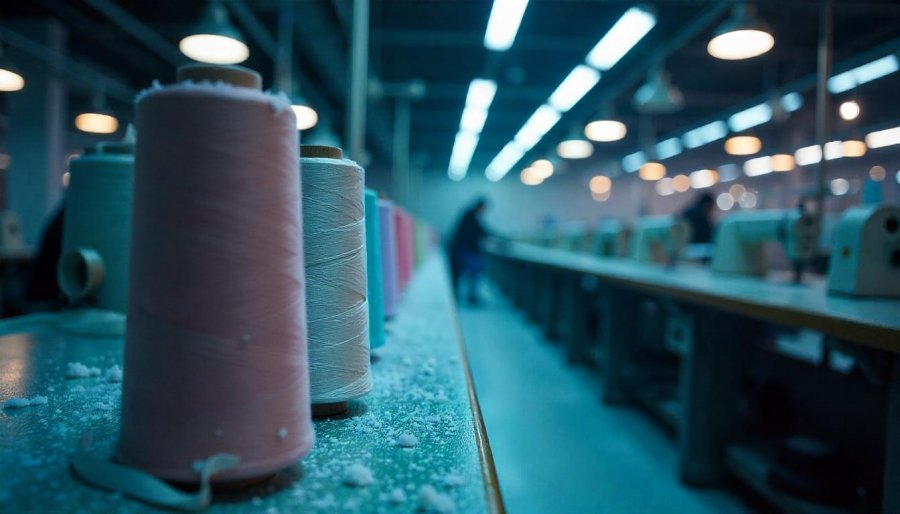
Nylon’s Future: Challenges, Innovations, and Sustainable Solutions
Nylon continues to be one of the most widely used synthetic fibers across the globe. Its presence is felt in everyday items—from the clothes we wear and the carpets under our feet to sportswear and industrial materials used in automobiles and electronics. Its durability, elasticity, and low cost make it a go-to choice for manufacturers and consumers alike. As a result, nylon’s dominance shows no signs of waning, reinforcing its role in shaping our modern lifestyle. However, this widespread use comes with mounting environmental concerns that demand urgent attention and action.
The core challenge lies in nylon’s dependence on fossil fuels. Its production relies heavily on extracting and refining non-renewable resources like crude oil and natural gas, processes that are energy-intensive and environmentally damaging. These raw materials are transformed into nylon through complex chemical reactions, primarily polymerization, which require immense amounts of electricity and heat—most derived from burning fossil fuels. This cycle of resource extraction and chemical processing not only depletes finite reserves but also significantly contributes to greenhouse gas emissions, fueling climate change on a global scale.
Chemical pollution further complicates the picture. During manufacturing, factories emit volatile organic compounds and other pollutants that degrade local air quality and contribute to smog formation. Chemical runoff from production sites can seep into surrounding soil and water bodies, contaminating ecosystems and threatening nearby communities. Microfibers shed from nylon garments during washing are tiny plastic particles that escape filtration systems, entering rivers and oceans. Once there, they are ingested by marine life, disrupting ecosystems and eventually entering the human food chain. This microplastic pollution is a persistent problem, with nylon items lingering in landfills for hundreds of years, slowly breaking down into smaller fragments that leach chemicals into soil and water.
Despite these serious challenges, innovations are beginning to reshape the future of nylon. Chemical recycling methods, which break down nylon into its basic monomers, are gaining traction. These technologies enable used nylon to be reprocessed into new fibers without quality loss, reducing reliance on virgin petrochemicals and diverting waste from landfills. This shift toward a circular economy highlights the potential to reuse and regenerate nylon, transforming it from a linear, waste-prone material into a sustainable resource. Meanwhile, researchers are exploring bio-based nylon alternatives crafted from renewable plant sources. Designed to mimic the properties of traditional nylon, these bio-based fibers aim to decompose more readily after disposal, easing the long-term burden on landfills and reducing environmental impact.
Consumer preferences are also evolving in response to environmental concerns. The growing movement toward sustainable fashion emphasizes natural fibers like organic cotton, hemp, linen, and bamboo, which biodegrade more easily and require less energy to produce. Recycled synthetic fibers, such as polyester made from plastic bottles, are gaining popularity as practical ways to reuse waste materials while lowering the overall ecological footprint. While these options are not without challenges, they signal a shift toward more responsible material choices. Brands are increasingly transparent about their supply chains and are adopting environmentally friendly practices, driven by consumer demand and regulatory pressures.
Policy and regulation are playing a crucial role in steering this transition. Governments worldwide are enacting measures to curb microplastic pollution, improve waste management, and promote sustainable manufacturing. Stricter standards for filtration, waste disposal, and chemical use encourage companies to adopt cleaner technologies, such as chemically recycled nylon or biodegradable fibers. These policies not only reduce emissions and pollution but also foster innovation by incentivizing the development of greener alternatives. Consumer activism and education further strengthen this momentum, as more people opt for products that align with their environmental values, influencing industry standards and corporate priorities.
Looking ahead, a combined effort from technology, policy, and individual action offers the best path to reducing nylon’s environmental footprint. Advances in recycling processes and plant-based materials provide promising alternatives that can lessen our dependence on fossil fuels. Stronger regulations targeting microplastic pollution and waste management will support these technological shifts, ensuring that sustainable practices become the norm rather than the exception. On a personal level, consumers can contribute by choosing natural or recycled fibers and supporting brands committed to sustainability. Each small choice adds up, driving the industry toward a more responsible and eco-friendly future.
The transition to more sustainable textiles is complex but essential. It requires rethinking our current models of production, consumption, and waste. While challenges remain, the momentum toward greener nylon alternatives and eco-conscious practices is undeniable. As innovation accelerates and policies tighten, the textile industry is poised to evolve in ways that better respect planetary boundaries. Embracing these changes now can help prevent further environmental damage and foster a resilient, sustainable future—one where the materials we depend on do less harm and more good.