Embarking on your first camping adventure can feel intimidating—gear, planning, and nature’s unpredictability might seem overwhelming. But what if a simple shift in mindset transformed this challenge into an unforgettable experience? This guide highlights how approaching camping with curiosity, patience, and positivity turns potential stresses into opportunities for growth and discovery. From organizing essentials to embracing setbacks as part of the journey, it emphasizes that confidence and resilience grow with each trip. Creating a joyful, inclusive environment amplifies the fun, forging bonds and lifelong memories around campfires and exploring nature’s wonders. Are setbacks setbacks or stepping stones? With the right attitude, even challenges become part of a rewarding outdoor story. This perspective not only builds skills and confidence but ignites a passion for outdoor adventures that keeps drawing you back into the great outdoors—each trip more inspiring than the last.
Transform Your Outdoor Experience by Embracing the Power of Mindset
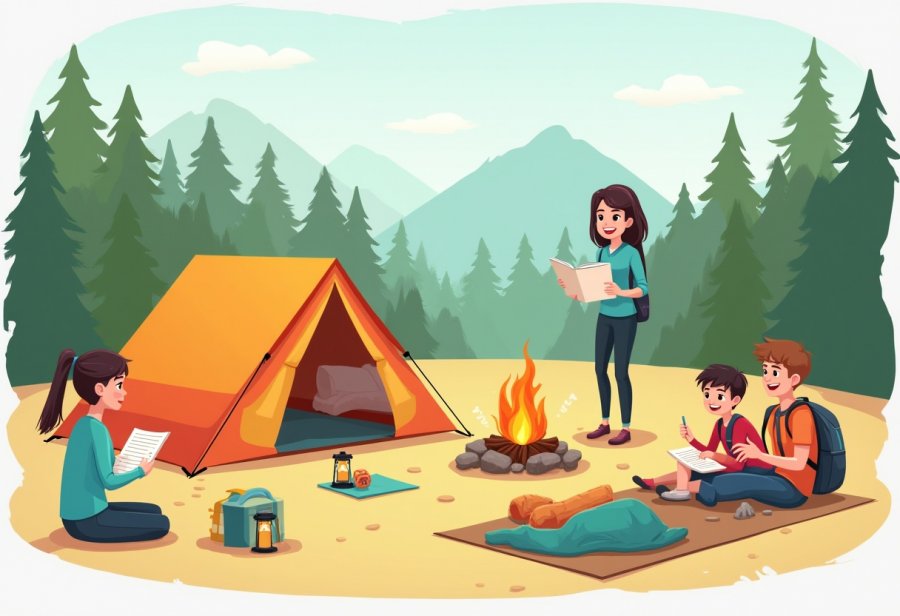
Camping isn’t just about pitching a tent or spending a night outdoors; it’s an opportunity to step away from daily routines and reconnect with nature. For first-timers, the idea can feel a bit intimidating—unfamiliar gear, planning logistics, and unpredictable weather can seem overwhelming. But the key lies in your mindset. Approaching camping with a positive and open attitude turns potential stress into small adventures. When you’re flexible and eager to learn, setbacks become part of the journey rather than obstacles.
How you see challenges makes all the difference. If you view difficulties like setting up a tent or dealing with rain as problems, they can seem daunting. But if you see them as chances to learn something new, they transform into opportunities for growth. A curious and optimistic outlook helps you stay calm and adaptable, making it easier to handle surprises and enjoy each moment. This mental shift not only reduces stress but also boosts your confidence, encouraging you to try things you might otherwise avoid.
Camping offers a simple escape from screens and noise, inviting you to enjoy fresh air, quiet surroundings, and the natural beauty around you. It’s about more than just sleeping outside; it’s about immersing yourself in a different environment—listening to birds, feeling the cool grass underfoot, and noticing the small details that often go unnoticed in everyday life. For newcomers, that sense of discovery can be incredibly rewarding. Keeping an open mind and accepting that things might not go perfectly is a vital part of making the experience enjoyable.
Having the right mindset also means being patient and forgiving with yourself. Learning how to set up a tent or cook over a fire takes time, and mistakes are simply part of the process. Instead of stressing over errors, view them as opportunities to improve your skills and build confidence. The more relaxed and positive your attitude, the more you’ll enjoy each outdoor adventure and look forward to the next. Remember, even seasoned campers started with doubts—they succeeded by embracing the unknown and staying open to new experiences.
Essential Planning Tips to Prepare Confidently for Your First Camping Adventure
Getting ready for your first camping trip can seem overwhelming, but breaking it down makes it much easier. Start with a simple checklist: a sturdy tent that fits your group, warm sleeping bags, and a lightweight stove or portable cookware. Planning your meals ahead of time helps avoid last-minute scrambling—stick to easy snacks and simple recipes that don’t require much effort. Choosing the right campsite is also key; look for sites that match your comfort level, whether it’s a busy park with amenities or a quiet, more remote spot. Checking the weather forecast before leaving ensures you pack appropriate clothing, like layers, rain gear, and sturdy shoes, so you’re prepared for whatever Mother Nature throws your way.
Familiarizing yourself with your gear before the trip makes a big difference. Practice setting up your tent at home, following the instructions carefully, so you’re confident when it’s time to pitch outdoors. This prep saves time and frustration once you arrive at the site. Don’t forget a reliable flashlight or headlamp with extra batteries—these are essential once the sun sets or if you need to navigate in the dark. A well-stocked first aid kit should also be part of your gear, containing basics to handle minor cuts, scrapes, or insect bites. Reviewing safety tips, like how to manage a campfire responsibly or what to do if you get lost, can give you added confidence and peace of mind.
When packing, organization is your friend. Use separate bags or containers for clothes, cooking supplies, and personal items to avoid digging through everything when you need something quickly. Pack clothing suitable for the weather—layers for warmth, rain protection, and comfortable shoes for walking or hiking. Once you arrive, find a flat, clear spot to set up your tent, away from hazards like falling branches or uneven ground. Take your time during setup; rushing can lead to mistakes or a less stable shelter. The more patient and relaxed you are, the more you’ll enjoy the process and learn as you go.
Your mindset plays a vital role here. Approach packing and planning with curiosity and patience, understanding that mistakes are part of the learning process. If something doesn’t go exactly as planned—like a tent that’s tricky to set up or forgetting an item—see it as an opportunity to adapt and improve. Each trip builds your skills and confidence, making future outings smoother. Remember, safety always comes first—familiarize yourself with fire safety, hydration, and respecting wildlife to ensure a safe adventure. With preparation and a positive attitude, even challenges become part of the fun, helping you grow more comfortable outdoors.
By staying organized and well-prepared, you set a strong foundation for your outdoor experience. Knowing you’ve done your homework reduces anxiety and allows you to focus on enjoying the moment. Packing efficiently, understanding your gear, and planning ahead mean fewer surprises and more time for the things that matter—like exploring, relaxing, and soaking in nature. The goal is to make the whole process as smooth as possible so you can fully embrace the adventure without stress or distraction. When you approach it with a calm, open mind, preparation becomes part of the fun rather than a chore.
Thinking ahead also means considering safety and emergency plans. Know how to use your first aid kit, and identify the nearest medical help in case of an emergency. Ensure your phone is charged, and if cell service is limited, have a backup plan for communication. Respect the environment by packing out what you bring in and following Leave No Trace principles. These small steps reinforce your confidence and responsibility, turning your trip into a positive experience that respects nature and keeps everyone safe.
Finally, remember that every outdoor adventure is a chance to learn something new. Each trip adds to your experience and makes the next one even easier. Embrace the process, stay patient, and keep an open mind. With the right preparation and mindset, your first camping trip won’t just be a one-time outing—it will set the stage for many more memorable adventures in the great outdoors.
Foster Joy and Connection: Creating a Memorable and Happy Camping Atmosphere
Creating a happy camping experience starts with setting a positive and inclusive tone for everyone involved. When all participants feel safe, comfortable, and heard, it becomes easier to relax and truly enjoy the outdoors. Open communication is key—address worries or needs early so no one feels left out or overwhelmed. Sharing responsibilities, like setting up tents or gathering firewood, fosters teamwork and makes the experience more engaging for all. A cheerful attitude—smiling, joking, and practicing patience—keeps the mood light, even when things don’t go exactly as planned.
Safety is the backbone of a good camping trip. Before you start, review basic safety tips such as managing fires responsibly, staying hydrated, and respecting wildlife. Carry a well-stocked first aid kit and learn how to handle minor injuries. Planning ahead for emergencies—knowing the nearest medical help or having a way to communicate if cell service is limited—can boost everyone’s confidence. Following Leave No Trace principles ensures the environment stays pristine, giving everyone a sense of responsibility and pride in preserving nature’s beauty.
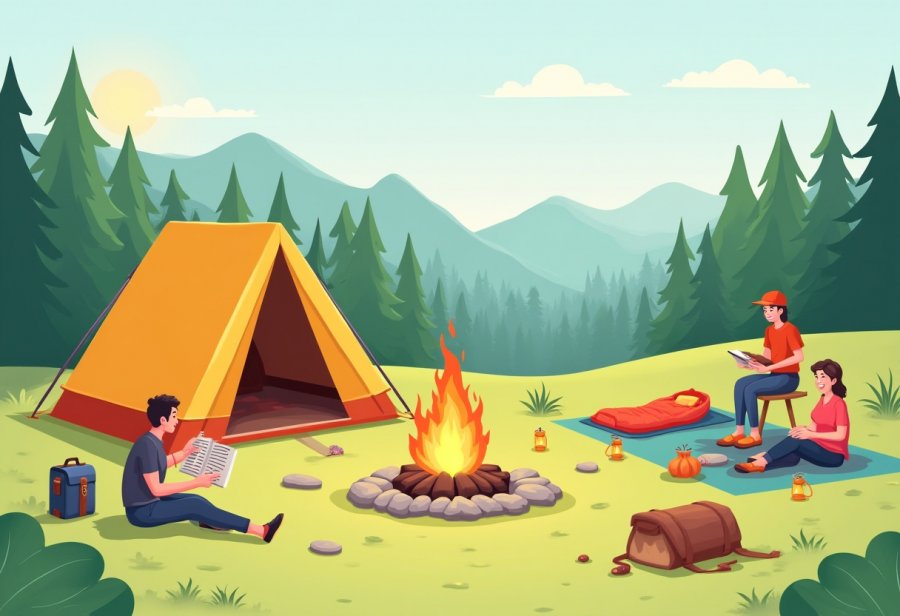
Creating joy around the campfire makes a trip memorable. Simple activities like storytelling, singing, or sharing jokes help build bonds and create lasting memories. Games such as tag or hide-and-seek are great for kids and adults alike, encouraging laughter and shared fun. When everyone participates, the trip transforms into a series of positive moments that everyone will cherish long after the campfire dies down. Flexibility is also vital—weather changes or unexpected delays can be turned into opportunities for improvisation, whether that’s making indoor-style fun or cozying up in the tent.
Patience and adaptability turn potential frustrations into part of the adventure. Kids eager to explore, or sudden rainstorms, can seem like setbacks, but they’re also chances to practice resilience. A relaxed attitude helps everyone stay upbeat, transforming challenges into creative solutions. Embracing surprises—like a tent that takes longer to set up or a trail that’s more challenging than expected—keeps the atmosphere positive and shows that outdoor adventures are about the experience, not perfection.
Finally, respect and kindness deepen the overall experience. Small gestures—sharing a meal, offering encouragement, or pausing to appreciate the scenery—turn a simple camping trip into a meaningful bonding moment. When everyone feels valued and relaxed, the outdoors becomes a space for connection and growth. These shared experiences leave lasting impressions, inspiring future adventures and a lifelong love of nature. The goal is to foster an environment where everyone can feel free to relax, explore, and create memories that will stay with them long after they leave the campsite.
Conquer Fears and Build Resilience Through Preparation and Problem-Solving
Starting a camping trip can bring up a lot of worries, especially if it’s your first time venturing into the outdoors. Concerns about getting lost, facing bad weather, or not knowing how to handle your gear are common. The best way to ease these fears is through solid preparation. When you plan ahead—checking the weather, packing the right equipment, and learning basic safety skills—you’ll feel more confident and ready to handle whatever comes your way. This sense of readiness helps you approach your trip with calmness and a positive mindset.
Problems are inevitable in outdoor settings, but they’re also opportunities to learn and grow. If your tent doesn’t set up easily or you realize you forgot an essential item, take a breath and look for solutions. These setbacks aren’t failures—they’re part of the adventure. Each time you work through a challenge, your skills improve, and your confidence builds. Over time, many issues have straightforward fixes, and your ability to adapt becomes second nature.
Challenges are natural, and they shouldn’t stop you from enjoying your trip. Instead, see them as chances to develop resilience and problem-solving skills. Every mistake, whether it’s a misjudged weather forecast or a tricky tent setup, teaches you something new. These lessons help you handle future trips more smoothly, turning uncertainty into familiarity. Approaching difficulties with patience and a can-do attitude makes outdoor life more fun and boosts your confidence.
Having a positive mindset makes a big difference. When things go wrong, staying cheerful and flexible keeps the mood light. Instead of stressing over a sudden rainstorm or a slow tent setup, find ways to make the best of it—maybe sharing stories inside or playing a game. Embracing surprises as part of the journey turns potential frustrations into memorable moments and reinforces your resilience.
Safety is key to building confidence outdoors. Familiarize yourself with fire safety, hydration, and respecting wildlife before your trip. Pack a well-stocked first aid kit and learn how to use it for minor injuries. Having a plan in case of emergencies—knowing the nearest medical help or ensuring your phone is charged—can boost your peace of mind. When safety is covered, you can focus on enjoying the experience without unnecessary worry.
Every outdoor challenge is a chance to grow. With each trip, your skills and confidence increase as you learn to navigate obstacles. Remember, even seasoned campers started with doubts—they succeeded by staying curious, patient, and open-minded. As you become more comfortable handling setbacks, outdoor adventures will feel less intimidating and more rewarding. Each experience adds to your story of resilience, making future trips even more enjoyable.
Building confidence outdoors takes time and practice. Celebrate small wins, like successfully setting up your tent or cooking a meal over the fire. These moments prove to yourself that you’re capable, encouraging you to try new environments and challenges. The more you face and overcome, the more natural it becomes to handle surprises and setbacks with ease.
Finally, keep in mind that setbacks are just part of the process. Embrace them as opportunities to learn, adapt, and grow stronger. Each challenge you face and conquer adds to your outdoor confidence, making every trip a little easier and more fun. With patience and a positive outlook, outdoor adventures will become increasingly rewarding, turning fears into confidence and hesitation into excitement.
Embark on Your Outdoor Journey: Summing Up and Inspiring Future Adventures
Starting your first camping trip is more than just checking off a list—it’s the beginning of a new chapter filled with discovery and growth. When you combine good preparation with a positive, open mindset, what might seem daunting quickly transforms into a rewarding adventure. Every experience, whether smooth or challenging, helps you build confidence and deepen your connection with nature. Each trip becomes a stepping stone toward more enjoyable outdoor moments.
The key is to view preparation as the foundation for success. Packing the right gear, understanding safety basics, and planning your activities create a sense of readiness that calms nerves and boosts enthusiasm. But it’s your attitude that truly shapes the experience. Approaching each outing with curiosity and patience turns setbacks into opportunities for learning and fun. This outlook keeps the mood light and your spirits high, no matter what surprises arise.
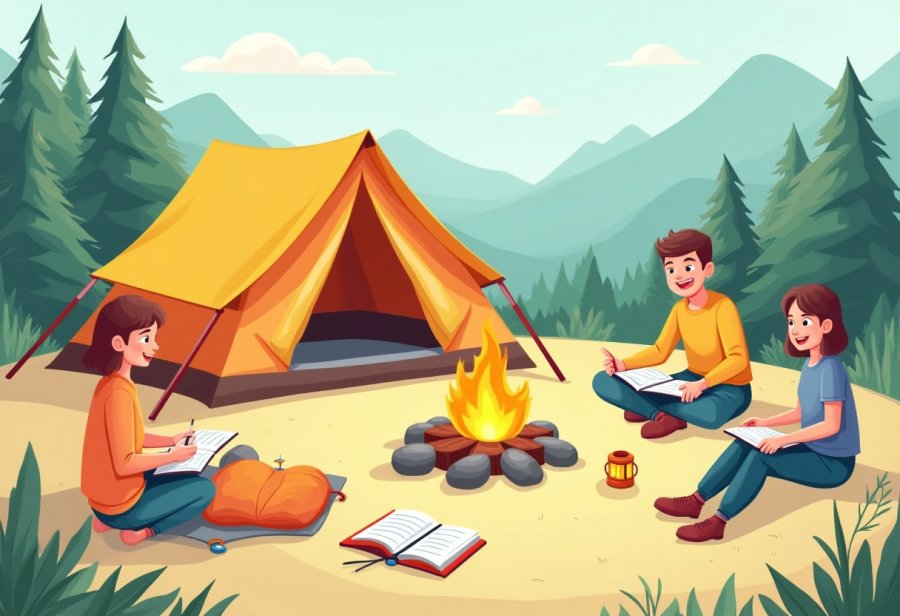
Remember, outdoor adventures are about more than just the destination—they’re about creating memories and fostering bonds. Sharing stories around the campfire, exploring new trails, or simply enjoying quiet moments in nature all contribute to a sense of fulfillment. These experiences inspire a love for the outdoors that motivates you to explore again and again.
As your confidence grows, so does your desire to seek out new environments and challenges. Each trip adds to your skills and stories, making future outings even more rewarding. Keep a mental or physical list of places you want to discover—mountains, lakes, forests—each offering fresh lessons and adventures. This ongoing curiosity keeps your outdoor journey lively and inspiring.
Expect surprises along the way—weather shifts, equipment hiccups, or unexpected delays. Embracing these moments with resilience and humor turns potential frustrations into memorable stories. They remind you that outdoor life is about adaptability, patience, and the joy of going with the flow. This mindset not only enhances your current trip but prepares you for many more.
Sharing your outdoor passion with friends or family can turn solitary trips into cherished traditions. Whether it’s a favorite trail or a special meal, these shared experiences deepen bonds and create lasting memories. They also encourage others to step outside their comfort zones, spreading the love of nature and adventure.
Every outdoor journey is a chance to learn something new about yourself and the world around you. With each trip, your skills sharpen, your confidence rises, and your appreciation for nature deepens. Keep exploring, stay curious, and let each adventure inspire you to plan the next. The outdoors is a limitless classroom waiting to teach, challenge, and reward you.
Finally, remember that setbacks are just part of the process. Embrace them as opportunities to grow stronger and more capable. With patience and a positive outlook, outdoor adventures become easier and more fulfilling each time. Your courage and curiosity will turn every trip into a story worth telling—one that fuels your passion and keeps you eager for the next great outdoor escape.