Imagine a communication system so tailored it transforms everyday business interactions—are you truly leveraging the full potential of these innovations? Customized telephony solutions, powered by brands like Grandstream, are reshaping how organizations connect, boosting efficiency and flexibility in ways previously unimaginable. From scalable IP phones to cloud management platforms like GDMS, these tools enable remote configuration, real-time monitoring, and seamless integration to meet diverse needs. As telephony technology advances from analog landlines to intelligent, cloud-based systems supported by AI, 5G, and IoT, the potential for smarter, faster, and more personalized communication grows exponentially. But are you prepared to embrace this future of interconnected, adaptable systems that not only streamline workflows but also deliver a competitive edge? Discover how strategic deployment of customized solutions can turn everyday conversations into powerful business advantages—are you ready to unlock this communication revolution?
Enhance Your Business Communication with FiberConX’s Advanced VoIP Solutions in Canada
Discover how FiberConX Communications, based in Canada, delivers exceptional VoIP business and residential phone services tailored to your needs. Our solutions feature advanced functionalities such as voicemail, IVR, ring groups, and voicemail-to-mail, ensuring seamless communication for your team. For enhanced hardware compatibility, explore the Grandstream IP Phones, which integrate effortlessly with our systems to boost productivity. Whether you’re upgrading your office or optimizing your home setup, FiberConX offers reliable, scalable, and feature-rich phone services. Contact us today at [email protected] or call 1.800.961.6856 to learn more about our customized VoIP solutions and how we can help your business thrive.
Transform Your Business Communication with Customized Telephony Solutions
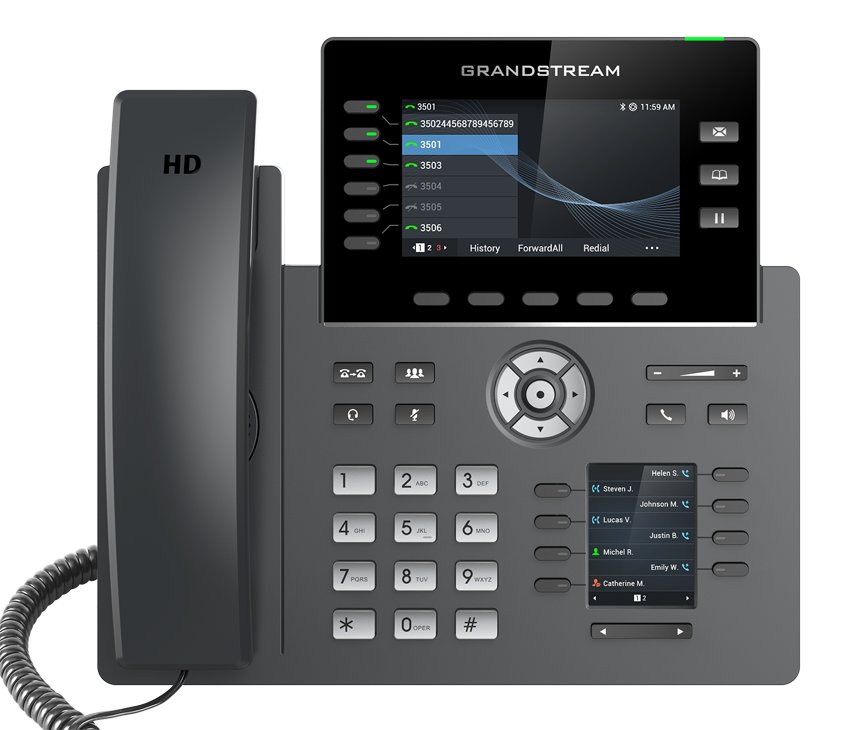
Customized telephony solutions are transforming the way businesses communicate by offering systems tailored precisely to their unique needs. Instead of relying on generic setups, organizations can design communication networks that boost efficiency, flexibility, and user satisfaction. Whether integrating advanced features, supporting remote teams, or streamlining workflows, personalized solutions ensure every component—from hardware choices to network configurations—is aligned with strategic goals. This targeted approach not only improves daily communication but also provides a competitive edge in today’s fast-paced digital landscape.
As technology advances, the importance of customization becomes even clearer. Cloud management platforms like Grandstream’s GDMS simplify deployment and remote oversight, reducing operational costs and minimizing downtime. Devices such as Grandstream’s IP phones are built for easy customization, supporting high-quality audio, multiple lines, Wi-Fi, and Bluetooth to adapt seamlessly to diverse environments. When hardware and cloud tools work together, they create a scalable, efficient communication environment that evolves with your organization’s growth.
The shift toward personalized telephony reflects a broader need for agility in modern business. Growing companies, remote teams, and shifting customer expectations demand flexible systems that can adapt quickly. Custom solutions allow modifications to call routing, voicemail options, auto-attendants, and integrations with other tools without overhauling the entire infrastructure. This adaptability keeps communication systems responsive, helping organizations stay ahead of change and capitalize on new opportunities.
Implementing tailored solutions begins with a clear understanding of your organization’s specific needs. Assessing factors like user count, call volume, and collaboration patterns guides hardware selection and feature setup. Cloud management makes it straightforward to configure devices, push updates, and troubleshoot remotely, simplifying ongoing maintenance. This centralized control ensures your communication system remains flexible and scalable as your business evolves.
Choosing the right hardware and management tools is crucial. The Grandstream GRP series offers scalable, feature-rich IP phones suitable for large or expanding teams, while smaller groups may prefer simpler models. Pairing these with cloud platforms like GDMS enables remote configuration, monitoring, and updates—all from a single dashboard. This combination streamlines deployment and ensures your telephony environment is both efficient and adaptable.
Ultimately, investing in customized telephony isn’t just about upgrading technology; it’s about creating a smarter, more responsive communication environment that supports your organization’s growth. By integrating hardware and cloud management effectively, you empower your team to communicate more clearly, reduce miscommunication, and focus on what truly matters. This strategic approach turns everyday communication into a competitive advantage, ready to meet the challenges of today and tomorrow.
The Evolution of Telephony: From Landlines to Intelligent Cloud Systems
Telephony technology has come a long way from its earliest days, fundamentally changing how we connect and communicate. In the beginning, landline systems relied on analog signals transmitted through physical wires, offering straightforward but inflexible channels. These setups were dependable but made scaling or modifying the system a challenge once installed. The introduction of digital switching systems improved call clarity and reliability, setting the stage for more advanced solutions.
The real turning point arrived with the rise of Voice over IP (VoIP). By transmitting voice data over the internet, VoIP made calls more affordable and accessible from anywhere with an internet connection. This shift unlocked a suite of new features like call forwarding, auto-attendants, and seamless integration with digital tools, transforming business communication into a more versatile and dynamic process. Companies could now move beyond bulky hardware, enabling remote work and flexible office setups that meet today’s demands.
Today, telephony is increasingly cloud-based, supported by smart devices and integrated systems that adapt to fast-changing business environments. Cloud management platforms like Grandstream’s GDMS make deployment, configuration, and oversight straightforward, even across large organizations. This centralized control reduces maintenance costs and downtime, providing the agility needed to respond quickly to evolving needs. Real-time analytics and troubleshooting tools further enhance system performance without the need for constant on-site support.
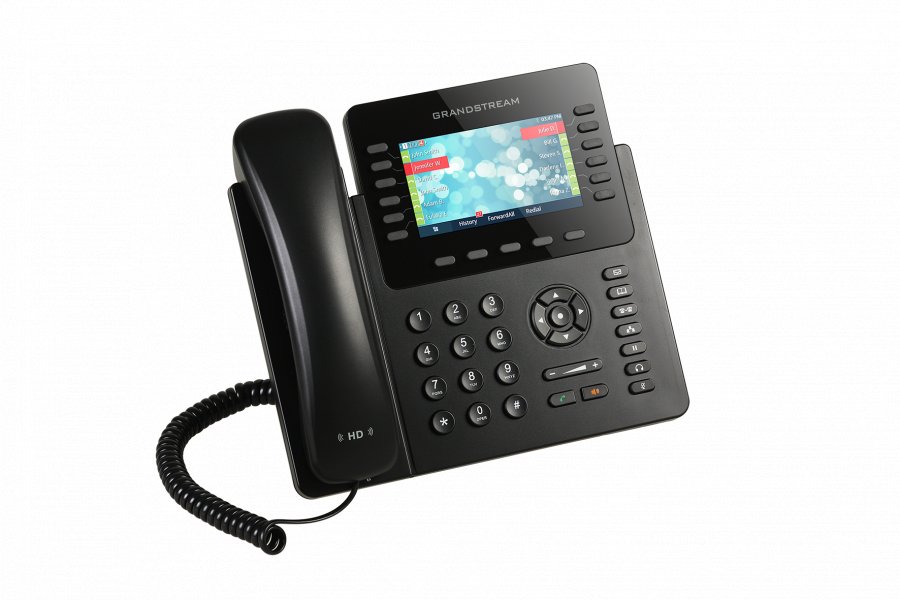
Hardware innovation continues to shape this landscape. Grandstream’s IP phones now support high-definition audio, multiple lines, Wi-Fi, and Bluetooth, making them suitable for a variety of settings—from busy offices to remote workspaces. These devices are designed for scalability and easy customization, fitting seamlessly into tailored communication setups. Their compatibility with cloud management platforms ensures that systems remain flexible and future-proof as organizations grow or change.
The industry is moving toward more flexible, scalable systems that support remote work and mobile connectivity. Cloud-managed solutions make adding new users, updating features, and maintaining security easier than ever, even across distributed teams. This trend toward seamless integration and adaptability is redefining how businesses approach their communication infrastructure, emphasizing responsiveness, ease of use, and resilience.
Looking ahead, innovations like 5G, AI-driven call management, and IoT integration promise higher quality, faster connections, and smarter interactions. Virtual assistants embedded within phone systems will handle routine inquiries, route calls efficiently, and learn from interactions to improve user experience. These advancements will enable organizations to craft highly personalized, efficient communication environments that support growth and enhance customer engagement.
The future of telephony is set to be more intelligent and dynamic, transforming traditional conversations into seamless, context-aware interactions. Early adopters of these emerging technologies will gain a competitive edge, leveraging smarter, more connected systems to foster stronger relationships, streamline workflows, and stay ahead in an increasingly digital world. The evolution of telephony isn’t just about new gadgets—it’s about creating communication ecosystems that adapt, grow, and innovate alongside your business.

Practical Steps to Deploy Tailored Telephony with Grandstream Devices
Deploying tailored telephony solutions with Grandstream devices begins with a clear understanding of your organization’s specific communication needs. Start by evaluating factors like the number of users, call volume, remote access requirements, and daily collaboration patterns. This assessment helps you select the most suitable hardware and features, ensuring your system supports your operational goals without unnecessary complexity. Knowing what you need upfront streamlines the entire deployment process and sets a solid foundation for success.
With your needs defined, choosing the right Grandstream IP phones and management tools becomes straightforward. The GRP series offers scalable, feature-rich devices that are ideal for growing teams or large deployments. For smaller groups or specialized roles, models with fewer lines and simpler interfaces work well. These devices support high-definition audio, multiple lines, Wi-Fi, and Bluetooth, providing flexibility in various environments—whether in a busy office, a remote workspace, or a hybrid setup.
Pairing hardware with cloud management platforms like GDMS simplifies configuration and oversight. From a centralized dashboard, you can remotely provision, configure, and monitor all your devices. This approach eliminates manual setup on each phone, reducing errors and saving time. You can push firmware updates, adjust settings, and troubleshoot issues remotely, maintaining system consistency and reducing operational disruptions.
Fine-tuning features such as call routing, voicemail, auto-attendants, and security settings ensures your system aligns with your workflows. Custom auto-attendants can reflect your branding and provide tailored prompts, while intelligent call forwarding directs inquiries efficiently. Implementing encrypted calls and user authentication safeguards sensitive information, especially when handling confidential data or operating in regulated industries.
Before a full rollout, test your setup with a small group of users. Gather feedback, identify any issues, and make adjustments accordingly. Training your team on new features ensures a smooth transition and maximizes the benefits of your tailored system. Once confident, expand deployment across your organization, leveraging remote management to streamline ongoing maintenance and updates.
This strategic approach transforms your communication infrastructure into a flexible, scalable environment that enhances responsiveness and reduces miscommunication. By integrating high-quality hardware with cloud-based control, you create a personalized system that adapts to your organization’s evolving needs. The result is a more efficient, reliable, and future-proof telephony setup that empowers your team to focus on what they do best.
Real-World Success Stories: How Customized Telephony Boosts Efficiency and Satisfaction
Real-world examples vividly demonstrate how customized telephony solutions deliver tangible benefits across diverse industries. Take a retail chain that adopted Grandstream’s scalable IP phones combined with a cloud management platform. Managers gained centralized control over their communication systems, enabling faster responses to customer inquiries and reducing the need for on-site technical support. The result was quicker resolution times, increased customer satisfaction, and enhanced operational agility that supported rapid growth.
In healthcare, organizations have tailored their telephony setups to meet strict security and compliance standards. By integrating encrypted calls and access controls, they ensured sensitive patient information remained protected while maintaining seamless communication among staff across multiple locations. These systems not only improved coordination but also contributed to higher patient satisfaction through more efficient care delivery.
Many companies report significant workflow improvements after deploying personalized solutions. Businesses utilizing Grandstream’s cloud-managed IP phones experienced more reliable connections and easier updates, leading to less downtime and smoother daily operations. This proactive management ability empowers staff to focus on core responsibilities rather than troubleshooting technical issues, boosting overall productivity.
Different sectors deploy specific configurations to meet unique demands. Retailers benefit from auto-attendants and queue management to handle high call volumes efficiently, while healthcare providers prioritize secure, HIPAA-compliant communication channels. Educational institutions leverage multi-line phones with intuitive interfaces for administrative teams and remote learning, and manufacturing firms emphasize scalable systems that integrate with existing enterprise tools. These tailored setups show how customization directly enhances operational effectiveness across various contexts.
Beyond efficiency, these implementations translate into measurable results such as reduced wait times, improved resource allocation, and higher customer and patient satisfaction. Organizations that have upgraded to personalized telephony systems often see faster response times, fewer miscommunications, and increased responsiveness. For example, a call center that rapidly onboarded hundreds of agents with Grandstream’s mass provisioning devices maintained high-quality interactions at scale, illustrating how strategic investment in tailored solutions drives business performance.
These real-world success stories highlight that customized telephony isn’t just about technology—it’s a strategic tool that transforms how organizations communicate, operate, and serve their customers. By aligning hardware choices with cloud management capabilities, businesses create flexible, resilient systems capable of adapting to evolving needs. This approach not only optimizes daily workflows but also positions organizations to thrive amid continuous change and innovation.
Looking Ahead: The Future Trends Shaping Personalized Business Communication
The future of customized telephony is poised to be more dynamic, intelligent, and deeply integrated than ever before. Artificial intelligence will play a central role in transforming call management, enabling virtual assistants to handle routine inquiries, route calls efficiently, and even anticipate user needs. These AI-powered helpers will learn from interactions, continuously improving their responses and becoming more personalized to each organization’s communication style. As a result, businesses will enjoy faster, more accurate, and more engaging interactions that free up staff to focus on higher-value tasks.
Meanwhile, the rollout of 5G networks promises to elevate business communication to new heights. With faster speeds and lower latency, organizations will support crystal-clear voice and high-quality video calls from virtually anywhere. This connectivity will break down traditional boundaries, making telephony systems more mobile and adaptable. Companies will be able to deploy and scale personalized solutions rapidly, without being limited by bandwidth constraints, fostering seamless collaboration across remote, hybrid, and distributed teams.
The integration between telephony and other core business tools will deepen, creating richer, more context-aware communication experiences. Imagine a call that automatically pulls up a customer’s recent orders or profile details, allowing for more meaningful and efficient conversations. This level of integration will turn communication systems into strategic assets—driving better customer engagement, enhancing operational efficiency, and enabling smarter decision-making based on real-time data.
Cloud management platforms will evolve to support these advancements, offering smarter analytics, predictive troubleshooting, and automated updates. Centralized control will become even more crucial as organizations adopt more sophisticated, customized setups. These platforms will not only streamline deployment and maintenance but also provide insights that help optimize performance and security. Organizations that leverage these tools will be better equipped to adapt quickly, stay resilient, and innovate continuously.
Emerging technologies like IoT and edge computing will further revolutionize telephony, enabling smarter, more connected workplaces. Devices will communicate with each other, automate routine tasks, and deliver real-time insights that improve workflows. Virtual and augmented reality could even find a place in future communication environments, providing immersive interaction experiences for remote collaboration or customer support.
In this rapidly evolving landscape, embracing innovation will be key. Forward-thinking organizations that adopt early will gain a competitive edge, transforming their communication infrastructure into a strategic driver of growth. The convergence of AI, 5G, IoT, and cloud technology will redefine what’s possible, creating personalized, efficient, and resilient communication ecosystems that support the future of work and customer engagement. The next chapter of telephony is about more than technology—it’s about shaping how organizations connect, collaborate, and thrive in a digital world.