In a digital age saturated with screens and constant notifications, can the simple act of tending a garden together unlock deeper emotional bonds and foster healing? This inspiring exploration reveals how shared outdoor activities transcend mere hobby to become powerful tools for connection, patience, and mutual support. From ancient traditions to modern therapeutic practices, gardening has long been a universal means of nurturing both plants and relationships. As people collaborate on planting, watering, and caring for life, they cultivate trust, empathy, and resilience—qualities essential for strengthening bonds amid today’s fast-paced world. The act of working side by side in nature not only reduces stress but also creates a sanctuary for honest conversations, vulnerability, and collective growth. With practical guidance on starting small and staying flexible, this focus on shared gardening highlights a timeless truth: that growth—personal, relational, or communal—thrives best when rooted in patience, support, and genuine collaboration.
Rediscover Connection: Gardening as a Sanctuary in the Digital Age
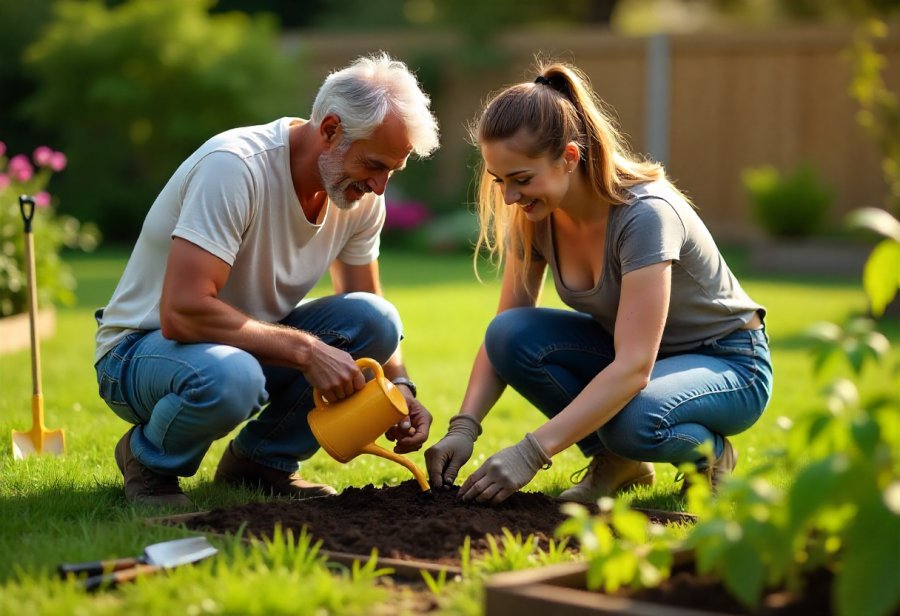
In a world dominated by screens and constant notifications, finding genuine ways to connect face-to-face can feel increasingly rare. Amid the digital noise, many are rediscovering the simple joy of working with their hands and tending to living things. Gardening together offers a quiet, meaningful refuge—an activity that invites patience, presence, and shared effort. It’s more than just planting seeds; it’s about creating a space where relationships can grow naturally and deeply.
Sharing the task of nurturing a garden taps into a timeless human tradition. For centuries, communities and families have used outdoor spaces not only for sustenance but as places for bonding and healing. Whether tending a vegetable patch or caring for flowers, the act of working side by side fosters communication, cooperation, and mutual understanding—elements that strengthen relationships beyond the garden.
Psychological research supports this idea, showing that outdoor activities reduce stress and elevate mood. When people work together outdoors, these benefits multiply. The physical act of planting, watering, and caring for plants encourages patience and support, creating opportunities for honest conversations and emotional closeness. In these moments, the garden becomes a shared sanctuary where connection grows as naturally as the plants themselves.
Unlike digital interactions, gardening demands our full attention and presence. It’s a tactile activity that grounds us, reminding us to slow down and appreciate the process. Working side by side, people often find themselves opening up more easily, sharing stories and ideas without the pressure of screens or distractions. These quiet moments of collaboration help to break down barriers and foster trust, making relationships more resilient and meaningful.
Gardening as a bonding activity isn’t just about cultivating plants—it’s about nurturing trust, patience, and empathy. Whether it’s a couple planting a vegetable bed or friends tending a community garden, the act of caring for life together creates a foundation for deeper connection. As the garden flourishes, so too do the bonds formed through shared effort, reminding us that growth—like healing—takes time, care, and patience.
Ancient Roots and Modern Psychology: The Timeless Power of Gardens
Gardening isn’t a modern invention; it has been woven into human history as a powerful tool for healing and community building for centuries. Ancient Egyptians cultivated gardens for medicinal and spiritual purposes, while Greek and Roman societies designed lush landscapes to promote relaxation and reflection. These traditions reveal that caring for plants has long been associated with nurturing mental well-being and fostering social bonds, suggesting a universal human instinct to find connection and comfort in nature.
Psychological research continues to validate these age-old practices. Spending time outdoors reduces stress, lifts mood, and enhances feelings of purpose. When people work together to care for a garden, these benefits multiply. The shared activity of planting, watering, and tending to plants encourages patience, support, and open communication—elements essential for strengthening relationships. It’s a simple yet profound way to build trust and empathy through mutual effort.
Horticultural therapy, which gained momentum in the 20th century, exemplifies how gardening promotes mental health. Programs in hospitals, prisons, and community centers use gardening to develop social skills, resilience, and emotional stability. These initiatives demonstrate that nurturing living things outside ourselves can translate into deeper caring for others, strengthening social bonds and fostering a sense of belonging.
Throughout history, gardens have served as communal spaces for healing and connection. Monasteries relied on medicinal herb gardens for spiritual and physical health, while community plots became hubs of cooperation that bridged social divides. These collective efforts show that shared gardening activities can cultivate trust and mutual support, creating bonds that extend beyond the plants themselves and into everyday life.
Modern science further supports the idea that working outdoors together fosters emotional intimacy. Engaging in gardening reduces anxiety, promotes mindfulness, and encourages honest conversations. When couples or families tend to plants side by side, they often find themselves more attuned to each other’s needs and rhythms. Watching something grow through shared effort becomes a symbol of trust and resilience, reinforcing emotional ties and creating a sense of collective achievement.
It’s worth acknowledging that gardening isn’t a one-size-fits-all solution. Physical ability, cultural attitudes, and individual interests influence how people engage with outdoor activities. Recognizing these differences helps us see gardening as one valuable tool among many for emotional well-being, rather than a universal remedy. When approached inclusively, it offers a welcoming space for connection and healing for diverse groups.
The enduring roots of gardening in human history, combined with contemporary psychological insights, highlight its role as a timeless connector. Tending to plants nurtures patience, support, and empathy—qualities that are essential in building resilient relationships. As we continue to explore and embrace these practices, we reinforce the idea that growth—both personal and collective—stems from care, consistency, and shared effort.
Ultimately, gardening’s power lies in its simplicity and universality. It reminds us that meaningful connection often begins with small acts of nurturing and patience. By cultivating shared outdoor spaces, we foster trust, understanding, and compassion—foundations that can strengthen communities and heal wounds, in a world that increasingly needs more of both.
Growing Closer: How Shared Gardening Cultivates Trust and Emotional Bonds
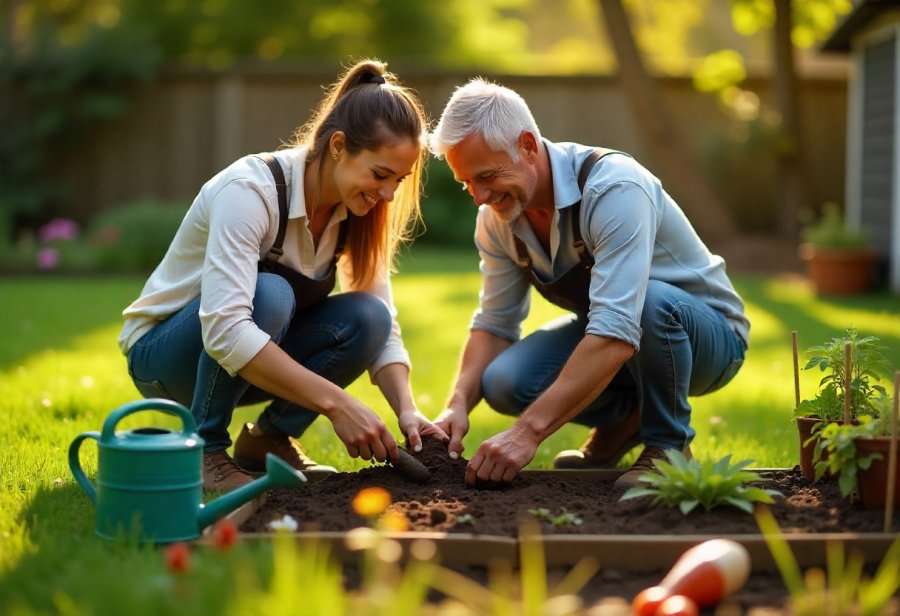
Working together in a garden naturally fosters a sense of mutual understanding and emotional closeness. When two people plant seeds side by side or support each other through watering and caring for the plants, they engage in a shared activity that builds trust without the need for words. This physical collaboration encourages patience, support, and active listening, allowing both individuals to see each other’s strengths and vulnerabilities in real time. As they nurture the garden’s growth, they simultaneously nurture their relationship, learning how to coordinate, support, and celebrate small victories together.
Gardening involves ongoing cooperation—deciding what to plant, adjusting watering routines, or managing pests—all of which require communication and teamwork. These shared tasks deepen the sense of partnership, turning everyday efforts into meaningful interactions. Over time, the small moments of joint effort accumulate, strengthening emotional bonds rooted in trust and respect. The garden becomes a space where cooperation blossoms into connection, and shared responsibility reinforces the idea that growth is a collective process.
Beyond the physical work, gardening provides quiet opportunities for meaningful conversations. As people tend to their plants side by side, they often share stories, exchange ideas, or simply enjoy the calming rhythm of caring for life. These moments of connection, combined with the tactile act of working together, foster empathy and understanding. Each person becomes more attuned to the other’s pace, preferences, and caring style—deepening a bond that extends beyond the garden.
Research supports that working outdoors together boosts emotional intimacy. Couples and families who garden side by side report feeling closer and more cooperative. The physical closeness, along with the shared achievement of nurturing something alive, helps break down barriers and encourages honest communication. Watching growth unfold through joint effort creates a sense of shared accomplishment, making the relationship feel more resilient and meaningful.
This collaborative process also invites vulnerability. When working together to overcome challenges—whether pests, weather setbacks, or slow growth—participants learn patience and support each other through frustrations and successes. These shared struggles and triumphs create a foundation of trust that can extend into other areas of life. Gardening, in this way, becomes more than an activity; it transforms into a metaphor for mutual care, resilience, and emotional openness.
In the end, the act of tending a garden side by side cultivates more than plants—it nurtures trust, empathy, and emotional closeness. These shared experiences deepen connections that can withstand life’s inevitable stresses. Working together in nature reminds us that growth—personal or relational—flourishes best when rooted in patience, support, and genuine collaboration.
Getting Started: Practical Tips to Foster Stronger Relationships Through Gardening
Getting started with shared gardening means focusing on clear planning and open communication. Choosing a project that matches everyone’s skill level and interests makes the process more enjoyable and less stressful. For beginners, starting small—like planting herbs in pots or creating a tiny vegetable patch—can make the experience feel achievable and rewarding. Setting simple goals and expectations early on helps keep everyone motivated and engaged, turning gardening into a fun shared routine rather than a chore.
Establishing a regular schedule can turn gardening into a bonding ritual that everyone looks forward to. Whether it’s weekend mornings or weekday evenings, consistent sessions build momentum and deepen the connection. Celebrating small victories, like the first sprout or a blooming flower, gives a sense of progress and shared accomplishment. These moments of success foster pride and reinforce the idea that growth, both of plants and relationships, takes time and patience.
Choosing accessible and meaningful projects makes a big difference. For couples, transforming a balcony into a mini vegetable garden can be a romantic and practical activity. Families might enjoy involving everyone in planting a backyard flower or vegetable patch, which teaches patience and teamwork across generations. Community gardens also offer a welcoming space for shared effort, where neighbors can work side by side, strengthening bonds beyond the immediate family. These collective efforts turn gardening into a social experience that nurtures trust and cooperation.
Managing time wisely is essential, especially with busy schedules. Short, focused sessions—around 15 to 20 minutes—make it easier to stay consistent without feeling overwhelmed. Flexibility about when and how long to garden keeps the activity enjoyable and stress-free. Clear communication about each person’s availability ensures participation feels voluntary and relaxed. When gardening remains a positive experience, it’s more likely to become a regular part of life, steadily strengthening bonds over time.
Skill levels and differing expectations can influence how smoothly the process unfolds. Supporting beginners with simple tasks and offering encouragement helps build confidence and curiosity. Conversely, more experienced gardeners can share their knowledge without making others feel inadequate. Respecting each person’s pace and approach creates an inclusive environment where everyone feels valued. When contributions are recognized, participation increases, and the shared experience deepens.
Creating a positive atmosphere involves celebrating every small step forward. Whether it’s a sprout emerging from the soil or a flower opening in the morning sun, acknowledging these moments reinforces the joy of shared effort. Maintaining a relaxed, encouraging environment helps sustain enthusiasm even when setbacks like pests or slow growth occur. Remember, the focus is on enjoying the process together, not on perfection.
Starting small and staying flexible makes shared gardening a rewarding experience. Focus on enjoying each moment, learning together, and supporting each other through the journey. With patience and open communication, gardening becomes a powerful way to foster trust, understanding, and mutual support—one plant and one shared effort at a time. As you nurture your outdoor space, you also nurture the bonds that bring warmth and resilience into your relationships.
Cultivating the Future: The Expanding Role of Gardening in Healing and Community Building
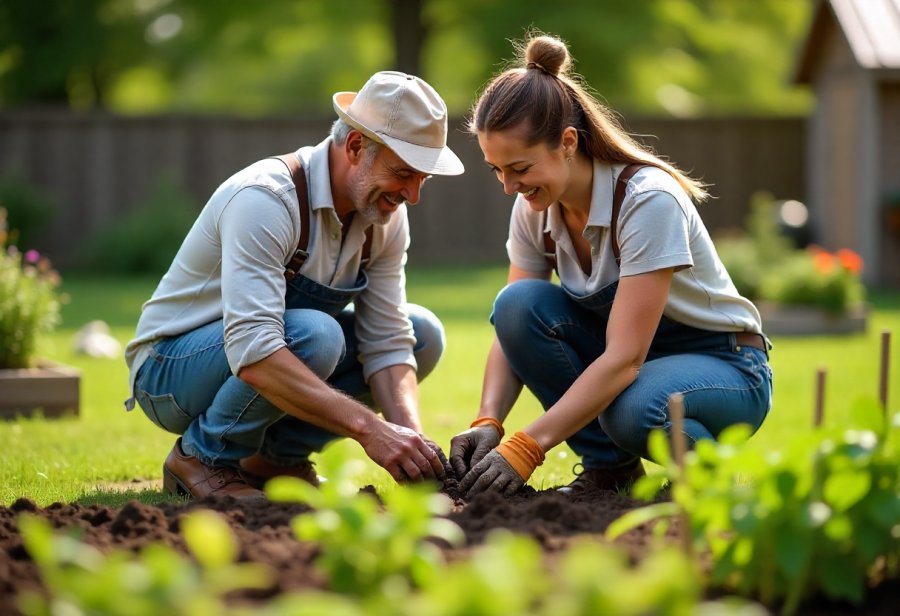
Looking ahead, the potential of gardening as a tool for healing and connection continues to grow. As more people seek ways to step away from digital distractions and re-engage with the natural world, outdoor shared activities like gardening offer a simple yet powerful path to rebuilding relationships. Community gardens, therapeutic programs, and urban green spaces are expanding, making it easier for individuals of all ages and backgrounds to experience the emotional benefits of working with living things. These efforts foster social bonds, reduce stress, and build resilience, positioning gardening as a vital element in mental health strategies for the future.
Innovations are shaping how gardening can serve well-being on a broader scale. Urban design increasingly includes spaces specifically created to encourage social interaction through gardening, while digital platforms connect gardeners across distances, sharing tips and experiences. Virtual gardening experiences, which bring the calming influence of nature into our digital lives, can complement physical activity—especially in areas with limited outdoor space. Combining these approaches strengthens the case for gardening as a versatile, accessible tool for emotional health and relationship building.
Organizations and health professionals are recognizing the value of integrating gardening into therapy, education, and community programs. From school gardens that teach patience and cooperation to therapeutic horticulture in clinics and rehabilitation centers, these initiatives demonstrate how caring for plants can nurture emotional resilience and social cohesion. As awareness grows, gardening is becoming a recognized practice for fostering trust, empathy, and patience across diverse populations, making it an increasingly vital part of holistic healing.
Creating inclusive gardening opportunities will be key to maximizing its benefits. Raised beds for those with mobility challenges, urban community plots, and virtual networks connecting garden enthusiasts help ensure that everyone can participate. When more people engage in shared outdoor efforts, the ripple effects—trust, support, patience—amplify, strengthening communities and encouraging a culture of care. The accessibility of these activities allows the healing power of nature to reach beyond traditional boundaries, nurturing resilience on a larger scale.
Every small act of tending a plant, whether on a balcony or in a neighborhood plot, plants a seed for growth that extends beyond the garden. These acts of patience and care build trust and foster understanding, qualities essential in creating stronger, healthier communities. As the role of gardening in emotional well-being becomes more widely accepted, its ability to unite and heal will only deepen. In a world that increasingly needs connection and compassion, cultivating gardens is more than a hobby—it’s a meaningful act of nurturing relationships and resilience for generations to come.