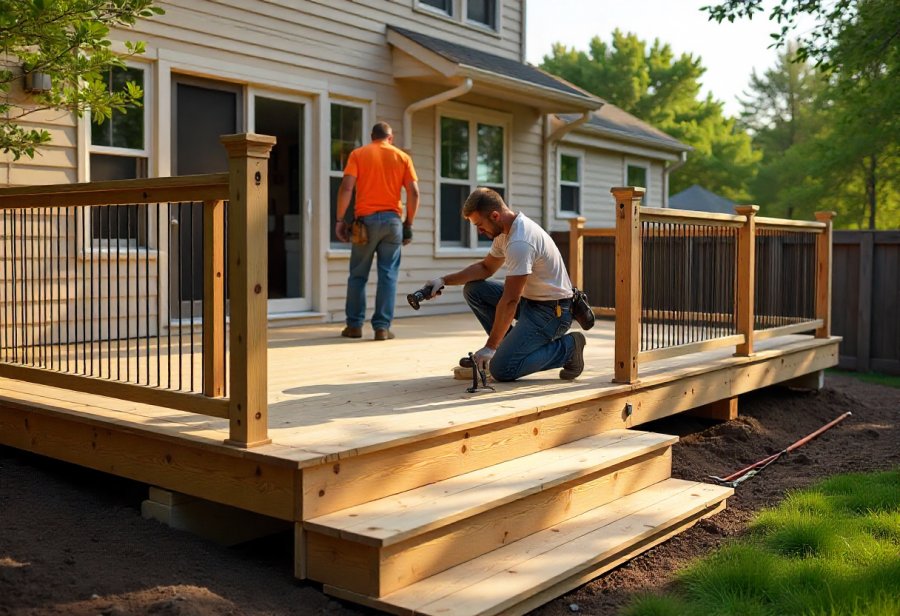
Imagine transforming Toronto yards into lush, sustainable retreats that harmonize beauty, functionality, and environmental responsibility—sounds ideal, but how can homeowners achieve this delicate balance? This comprehensive guide explores innovative strategies, from native plantings and eco-friendly materials to stormwater management solutions like rain gardens and permeable pavements. It emphasizes designing outdoor spaces that reflect personal style while supporting local ecosystems, ensuring resilience amid Toronto’s climate challenges. From striking focal points to smart irrigation systems, every element is crafted to enhance aesthetic appeal and sustainability. What does the future hold for eco-conscious landscapes? Advances like solar-powered features and smart technology promise to make maintaining stunning, sustainable yards easier than ever. Ultimately, this approach not only elevates outdoor living but also fosters a deeper connection with the environment—raising the question: how will we redefine our outdoor spaces to serve both our lifestyles and the planet’s health?
Transform Your Outdoor Space with Toronto Landscape & Design
Looking to elevate your Toronto backyard? Toronto Landscape & Design (TLD) specializes in stunning natural stone features, water gardens, irrigation systems, and retaining walls that turn ordinary yards into extraordinary retreats. Our backyard makeover services are crafted by award-winning designers who take every detail into account, ensuring a personalized and flawless result. Whether you’re dreaming of a tranquil water garden or a durable retaining wall, TLD has the expertise to bring your vision to life. Contact us today at 1.416.644.0499 or email [email protected] to start your outdoor transformation.
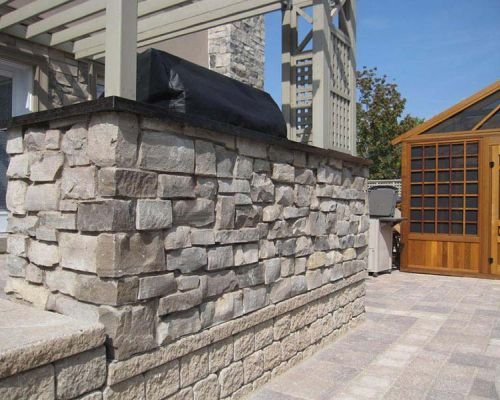
Transforming Toronto Yards into Personal and Eco-Friendly Retreats
Creating beautiful, sustainable outdoor spaces in Toronto isn’t just about boosting curb appeal—it’s about enriching lives while respecting the environment. As our city grows denser and climate concerns become more pressing, transforming yards into inviting, eco-friendly retreats offers real benefits. A well-designed outdoor space can serve as a personal oasis, a lively gathering spot, or a peaceful escape after busy days, becoming a true extension of the home.
The aim is to craft yards that reflect the homeowner’s personality and meet practical needs, all while supporting local ecosystems. Incorporating sustainable practices like native plantings, rain gardens, and eco-conscious materials reduces water use, minimizes waste, and encourages biodiversity. These elements aren’t just good for the planet—they add texture, depth, and visual interest, making outdoor spaces both resilient and beautiful.
Toronto’s climate presents unique challenges and opportunities for yard transformation. Cold winters, hot summers, and heavy rainfall demand designs that blend aesthetics with practicality. When outdoor spaces are reimagined as extensions of the home, they become environments where style, comfort, and sustainability coexist naturally. This approach creates lasting impressions that are functional, eco-friendly, and capable of enriching residents’ outdoor experiences year-round.
Understanding what homeowners want from their yards is key. Some prioritize outdoor entertaining, while others seek low-maintenance or wildlife-friendly landscapes. Listening carefully during the design process helps ensure the final result aligns with their lifestyle, values, and aesthetic preferences. Clear communication from the start simplifies the journey from concept to completion and sets realistic expectations.
Transforming an ordinary yard into a stunning retreat starts with a shift in perspective. It’s not just about planting flowers or hardscaping—it’s about creating a harmonious environment that supports long-term sustainability. Using native plants, water-saving features, and eco-friendly materials ensures the yard remains vibrant and functional for years to come, blending beauty with responsibility.
This process fosters a deeper connection between people and their outdoor spaces. When thoughtfully designed, yards become personalized sanctuaries that promote well-being, encourage outdoor living, and support environmental stewardship. The goal is to deliver outdoor environments that are as enjoyable to look at as they are beneficial to the planet, making every square foot count.
In the end, successful yard transformations in Toronto combine creativity, practicality, and sustainability. They respect the city’s climate, reflect homeowner preferences, and prioritize eco-friendly solutions. By doing so, we turn everyday outdoor spaces into enduring, beautiful retreats that enhance lives today and contribute to a healthier, greener future for our community.
Building Sustainable Landscapes: Core Principles for Eco-Conscious Design
Sustainable landscape design is built on principles that create harmony between human needs and the environment. At its core, it emphasizes selecting native plants that are well-adapted to Toronto’s climate, which means they require less water, fewer fertilizers, and minimal chemical treatments. This approach not only simplifies ongoing maintenance but also supports local biodiversity by providing habitat for native birds, bees, and butterflies. Using indigenous species helps landscapes stay resilient through seasonal changes and reduces dependence on resource-heavy inputs.
Eco-friendly materials are essential to sustainable design. Permeable pavers, recycled hardscapes, and natural stone help manage stormwater runoff by allowing rain to seep into the ground instead of overwhelming city drains. These materials also lower heat absorption, making outdoor spaces more comfortable during hot summer days. When combined with native plantings, they create a landscape that’s both visually appealing and environmentally responsible, blending beauty with functionality.
Understanding Toronto’s unique ecosystem guides designers to make smarter plant choices. Selecting species that thrive naturally in local soil and climate minimizes the need for chemical interventions and excessive watering. Features like rain gardens mimic natural hydrological processes by absorbing excess water and filtering pollutants, helping to maintain ecological balance while easing strain on urban infrastructure. This integration results in landscapes that are more resilient and sustainable over time.
The shift from formal, ornamental gardens to ecologically focused designs reflects a broader awareness of environmental impact. Today’s landscapes prioritize resource conservation, support biodiversity, and require less maintenance. Principles such as balance, harmony, and practicality guide these efforts, ensuring yards serve their function—whether for relaxing, entertaining, or gardening—without compromising ecological integrity. When these elements come together, they produce landscapes that are both stunning and enduring.
Eco-conscious hardscaping choices also play a significant role. Using durable, recycled, or reclaimed materials for pathways, patios, and accents reduces environmental impact and often lowers costs over time. Native plants supported by water-saving features like rain gardens and drip irrigation further reduce resource use while enhancing visual interest. This holistic approach results in outdoor environments that are easy to maintain, visually cohesive, and aligned with long-term sustainability goals.
Focusing on these core principles—native plants, eco-friendly materials, water conservation, and ecosystem support—designers can craft landscapes that stand the test of time. These choices foster a deeper connection between homeowners and their outdoor spaces, supporting local ecosystems and reducing environmental footprints. Sustainable landscape design isn’t just about aesthetics; it’s about creating healthier, more resilient environments that benefit both the planet and the people who enjoy them.
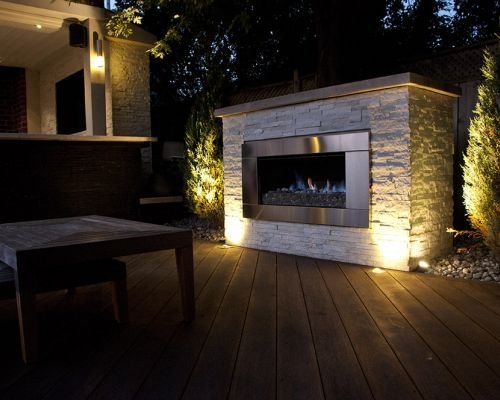
Innovative Trends and Features Crafting Stunning, Enduring Outdoor Spaces
Creating a stunning yet sustainable yard today means seamlessly blending innovative trends with eco-friendly features that elevate outdoor spaces and ensure durability. Permeable pavements and rain gardens have become staples because they effectively manage stormwater, reduce runoff, and prevent erosion—all while adding visual interest. Solar-powered lighting, with its warm glow and energy efficiency, is another popular addition that enhances ambiance and safety without increasing electricity bills. When these modern elements are thoughtfully integrated, they transform yards into impressive retreats that are built to last.
Designs that focus on visual impact often feature focal points like striking plantings, sculptures, or water elements. These features create depth and draw the eye, making the space feel dynamic and inviting. Contrasting textures, varying heights, and layered plantings add richness to the landscape, preventing it from feeling flat or cluttered. Well-placed pathways and subtle lighting naturally guide visitors through the space, encouraging exploration and making the yard feel more expansive and welcoming.
Eco-friendly features go beyond aesthetics. Rain gardens absorb excess water, filter pollutants, and support native wildlife, fostering biodiversity right in the backyard. Solar-powered water features and lighting reduce reliance on external energy sources, lowering the carbon footprint of the entire landscape. Using recycled materials like permeable pavers or reclaimed wood for hardscapes not only looks attractive but also minimizes environmental impact and adds a layer of durability. These choices turn a beautiful yard into a responsible, eco-conscious space that benefits both residents and the planet.
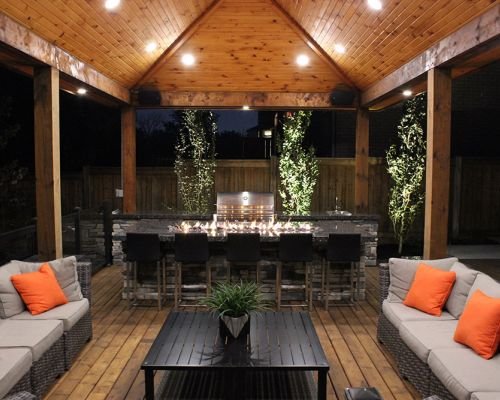
Adding elements like outdoor kitchens, fire pits, or water features can elevate a yard into a true outdoor living room. An outdoor kitchen encourages gatherings, while fire pits create cozy spots for relaxing evenings. Water features add tranquility and help mask urban noise, transforming the yard into a peaceful retreat. Designing these features with eco-friendly materials and energy-efficient systems ensures they enhance the space without compromising sustainability. The result is a versatile outdoor environment that invites use all year round.
The journey from concept to installation is crucial in achieving these goals. Clear communication with clients helps manage expectations and ensures the final design aligns with both aesthetic and ecological values. Skilled craftsmanship guarantees that every element, from native plants to permeable pavers, is installed for maximum impact and longevity. When executed well, this creates a landscape that’s not only visually stunning but also resilient and environmentally responsible, leaving homeowners proud of their outdoor retreat.
Maintaining this balance over time involves ongoing care. Regular upkeep of native plants, cleaning water features, and monitoring energy-efficient systems keep the landscape vibrant and functional. Incorporating smart irrigation and lighting controls further reduces waste and simplifies maintenance, preserving the yard’s beauty and ecological integrity. Small adjustments like these ensure the outdoor space remains a thriving, sustainable sanctuary—impressive today and prepared for the future.
Actionable Strategies for Balancing Beauty and Environmental Responsibility
Balancing beauty with environmental responsibility in landscape design is about weaving practical, eco-friendly strategies into every aspect of the yard. Native plants are a cornerstone, thriving naturally in Toronto’s climate and requiring less water, fertilizers, and chemicals. They support local pollinators and wildlife, creating a vibrant, resilient ecosystem that needs minimal intervention. Incorporating such plants makes maintenance easier and helps landscapes stay sustainable over time.
Water conservation is equally vital. Rain gardens and drip irrigation systems direct water precisely where it’s needed, reducing waste and runoff. Rain gardens absorb excess stormwater, filter pollutants, and prevent erosion, all while adding visual appeal. Drought-tolerant species ensure the landscape remains lush during dry spells, maintaining its beauty without straining resources. These features work together to create a landscape that’s both attractive and environmentally sound.
Choosing eco-friendly materials for hardscaping amplifies these benefits. Permeable pavers, recycled bricks, and reclaimed wood not only look good but also manage stormwater effectively. They allow rainwater to seep into the ground naturally, helping to lower urban heat and reduce runoff. Using durable, recycled materials also cuts down on environmental impact and often lowers long-term costs, making sustainable choices practical as well as attractive.
Design solutions that prioritize functionality enhance both usability and ecological health. Thoughtfully placed pathways, multi-purpose features, and focal points add visual interest while guiding visitors smoothly through the space. Built-in seating, raised beds, or decorative planters maximize space and function, making the yard inviting and easy to maintain. When these elements are integrated thoughtfully, they create a cohesive environment that balances beauty with ecological integrity.
Flexibility in design allows homeowners to tailor landscapes to their priorities—whether low maintenance, wildlife habitat, or outdoor entertaining. Clear communication helps set realistic expectations and ensures that eco-conscious choices align with the homeowner’s lifestyle. This collaborative approach makes the process smoother and more rewarding, fostering a sense of ownership and pride in the final result.
Sustainable landscape tactics don’t stop at the design stage. Regular upkeep—such as pruning native plants, cleaning water features, and monitoring irrigation—keeps the landscape vibrant and healthy. Smart controls for watering and lighting further reduce waste, making eco-friendly practices easier to sustain. These small, consistent efforts ensure the yard remains a thriving, beautiful space that respects the environment.
By applying these strategies—native planting, water-saving features, eco-friendly materials, and functional design—you craft landscapes that stand the test of time. They support local ecosystems, reduce resource consumption, and deepen the connection between residents and their outdoor spaces. This integrated approach not only results in stunning yards but also promotes long-term sustainability, ensuring that beauty and responsibility go hand in hand.
Future of Toronto Yard Transformations: Innovations and Sustainable Trends
As Toronto continues to grow and prioritize sustainability, the future of yard transformations looks brighter and more innovative. Advancements in technology, such as smart irrigation systems that adapt to weather patterns, will make maintaining eco-friendly landscapes easier and more efficient. Solar-powered lighting and water features are set to become more common, helping homeowners reduce energy use while creating inviting outdoor environments. These innovations will empower residents to embrace greener practices without sacrificing style or convenience.
Native and drought-tolerant plants will play an increasingly vital role in shaping sustainable landscapes across the city. Their natural adaptation to Toronto’s climate means less water, fewer chemicals, and minimal maintenance, supporting local ecosystems and resilience during extreme weather events. Green infrastructure solutions like permeable pavements and living roofs will expand, helping manage stormwater and urban heat while seamlessly blending into the landscape. These features will be integral to creating outdoor spaces that are both beautiful and resilient in the face of climate challenges.
The adoption of renewable energy options, including solar-powered outdoor appliances and lighting, will grow alongside technological improvements. As costs decrease and efficiency improves, integrating these systems into yard designs will become standard practice. This shift aligns with Toronto’s broader commitment to energy conservation and carbon reduction, making sustainable outdoor spaces accessible and attractive for more homeowners. By embracing these tools, residents can enjoy lush, functional yards that support environmental goals.
Outdoor spaces will increasingly be viewed as extensions of personal lifestyles—places for relaxation, socializing, and eco-conscious living. Custom solutions like energy-efficient outdoor kitchens or responsibly sourced materials will foster versatile, inviting retreats that encourage year-round use. Personalization will remain key, with designs reflecting individual tastes while supporting sustainability. This approach will deepen the connection between homeowners and their outdoor environments, turning yards into true sanctuaries.
Staying ahead in sustainable landscaping will require ongoing learning and adaptation. Practices like rainwater harvesting, composting, and digital landscape management tools will become more mainstream, empowering homeowners to maintain their yards more effectively. As innovations continue to emerge, the focus will remain on balancing beauty, functionality, and ecological responsibility. The goal is to cultivate outdoor environments that are not only visually stunning but also integral to Toronto’s long-term environmental health, ensuring that future generations can enjoy lush, resilient, and sustainable outdoor retreats.