Imagine a world where your car starts effortlessly every time—no surprises, no roadside breakdowns. The secret? Simple, proactive battery maintenance. While often overlooked, your vehicle’s battery is the heartbeat of reliable performance, especially in harsh weather or after long periods of inactivity. Regular inspections for corrosion, secure mounting, and voltage checks can catch early signs of decline before they turn into costly emergencies. Are your terminals clean? Is your battery swelling or leaking? These small details hold the key to avoiding frustrating stalls and unexpected failures. By embracing routine habits—such as tightening connections, cleaning terminals, and shielding your battery from extreme cold—you can extend its lifespan and ensure your car’s dependable startup. Isn’t it worth a few minutes of effort to enjoy stress-free driving, safe in the knowledge that your battery won’t let you down when you need it most?

Unlock the Secrets to Worry-Free Driving with Battery Care
Taking care of your car’s battery might not be the first thing that comes to mind when thinking about vehicle maintenance, but it’s actually one of the most important steps to keep your car running reliably. A healthy battery ensures your vehicle starts every time, no matter the weather or how long it’s been sitting. When your battery is in good shape, you’re less likely to get stranded unexpectedly, saving you time, money, and stress.
Understanding how your car’s battery works helps you appreciate its vital role in daily driving. Most vehicles use lead-acid batteries—simple yet essential components that supply the electrical power needed to start the engine and operate systems like lights, radio, and sensors. These batteries contain lead plates submerged in acid, creating a chemical reaction that produces electricity. Some newer models use AGM (Absorbed Glass Mat) batteries, which are more durable and resistant to vibration. Knowing which type your car has can help you better understand how to care for it and when to seek professional help.
Regularly inspecting your battery is one of the easiest ways to prevent bigger problems. Simple checks, such as looking for corrosion around the terminals—those white, green, or bluish deposits—can reveal early signs of trouble. Cleaning corrosion with a mixture of baking soda and water is quick and effective; just wear gloves and safety glasses for protection. Ensuring the cables are tight and the battery is securely mounted prevents unnecessary wear and electrical issues that could leave you stranded, especially during cold weather when batteries tend to struggle more.
Battery health isn’t just about appearance. Using a multimeter to measure voltage is a straightforward way to gauge its condition. When the engine is off, a healthy battery should read around 12.6 volts. If the voltage is significantly lower, the battery might be weak or nearing the end of its lifespan. Many auto parts stores offer free testing services, making it easy to check your battery’s status regularly. Performing these simple tests a few times a year helps you catch potential issues early before they turn into roadside emergencies.
Keeping your battery clean and secure is another simple step toward reliable vehicle operation. Tightening the cables and wiping the terminals removes grime that can impair electrical flow. Applying terminal protectors or anti-corrosion sprays offers extra defense, particularly in harsh weather conditions. Checking fluid levels, if applicable, and inspecting for swelling or leaks also help identify internal damage before it causes a sudden failure. Addressing these small signs early can save you from inconvenient breakdowns and costly repairs.
Avoiding unnecessary power drains is a key part of battery maintenance. Make it a habit to turn off headlights, interior lights, and electronics when the engine isn’t running. Leaving devices on can deplete your battery over time and speed up wear. During winter, parking in a garage or shaded area shields the battery from extreme cold, which can accelerate internal deterioration. These simple routines are easy to incorporate and can extend your battery’s lifespan, ensuring your vehicle starts reliably in any season.
Monitoring your battery’s health through routine checks helps prevent unexpected failures. Many auto parts stores offer free testing, and a quick voltmeter reading can tell you whether your battery is holding a proper charge. If you notice it consistently drops below 12.6 volts, it’s likely time to consider a replacement. Staying ahead of potential issues means fewer surprises and safer, more dependable driving. Making a habit of these inspections keeps your vehicle prepared for daily demands and adverse conditions alike.
In the end, caring for your car’s battery is about simple, consistent habits. Regular inspections, cleaning terminals, checking connections, and mindful driving habits all contribute to a dependable vehicle. These straightforward steps build a solid foundation of reliability, reducing the chance of being caught off guard by a dead battery. A little effort now goes a long way in ensuring your car starts every time, giving you peace of mind and a smoother driving experience.

Essential Tips to Keep Your Car Battery in Peak Condition
Maintaining your car battery might seem straightforward, but paying attention to a few key practices can make all the difference in extending its lifespan and ensuring your vehicle’s reliability. Regularly inspecting the battery terminals for corrosion is a simple yet effective step. Over time, white, green, or bluish deposits can form around the connection points, impairing electrical flow and causing slow starts or dimming headlights. Cleaning these deposits with a mixture of baking soda and water is quick and safe—just remember to wear gloves and safety glasses. After cleaning, tighten the cables securely to prevent loose connections that can lead to inconsistent power delivery and faster battery wear.
Checking the physical condition of the battery is equally important. Look out for swelling, cracks, or leaks, which are signs of internal damage. If you spot any of these issues, replacing the battery promptly prevents unexpected breakdowns. If your battery has removable caps, inspecting and topping up the fluid levels with distilled water helps maintain proper electrolyte balance. Be cautious not to overfill, as excess fluid can spill and damage internal components. These small, routine checks are simple but vital in catching early signs of trouble before they escalate into costly repairs or roadside emergencies.
Monitoring your battery’s health with a multimeter offers valuable insight into its condition. When the engine is off, a healthy battery should read around 12.6 volts. Significantly lower readings indicate a weak or failing battery, which might need replacement soon. Many auto parts stores provide free testing services, making it easy to keep tabs on your battery without much effort. Performing this check a few times a year—especially before long trips or during seasonal changes—can help you identify potential issues early, avoiding the inconvenience of being stranded unexpectedly.
Ensuring your battery is securely mounted is often overlooked but crucial. Loose or improperly fastened batteries can vibrate excessively, leading to internal damage over time. Tightening the mounting brackets and inspecting for any movement or signs of internal damage like leaks or swelling keeps the battery in good shape. Proper mounting not only prolongs its lifespan but also maintains consistent electrical connections, which are essential for reliable starting and operation, particularly in rough driving conditions or extreme weather.
Keeping the terminals clean and free of debris is another essential practice. Corrosion, grime, and dirt can create resistance and hinder electrical contact, resulting in sluggish starts or electrical issues. Wiping the terminals with a damp cloth and applying terminal protectors or anti-corrosion sprays provide extra defense against environmental damage. Regularly inspecting and cleaning the cables ensures a solid connection, reducing the risk of sudden failures. These small maintenance steps are especially important during cold weather, when batteries are more vulnerable to performance drops.
Avoiding unnecessary power drains is a simple way to preserve your battery’s health. Make it a habit to turn off headlights, interior lights, and electronics when the engine isn’t running. Leaving devices on can deplete the battery gradually, accelerating wear and reducing overall lifespan. During winter, parking in a garage or shaded spot shields the battery from extreme cold, which can cause internal freezing or accelerated deterioration. These mindful habits require minimal effort but have a significant impact on maintaining optimal battery performance and ensuring your vehicle starts reliably every time.
Regularly testing your battery’s voltage is a straightforward method to catch early signs of decline. A quick reading with a multimeter or a visit to an auto parts store can reveal whether your battery is holding a proper charge. If the voltage consistently dips below 12.6 volts, it’s a sign that the battery is weakening and may need replacing soon. Staying proactive with these checks prevents unexpected failures, especially during busy mornings or harsh weather. Making it a routine—say, every few months—gives you peace of mind and keeps your vehicle dependable under all conditions.
Integrating these simple maintenance habits into your routine creates a solid foundation for vehicle reliability. By regularly inspecting, cleaning, and monitoring your battery, you reduce the risk of breakdowns and unexpected stalls. These small, consistent actions—checking terminals, tightening connections, and avoiding power drains—are quick to do and can save you from costly repairs or inconvenient emergencies. Taking a few minutes now to care for your battery pays off in smoother starts, fewer roadside surprises, and confidence that your vehicle is ready to go whenever you need it.
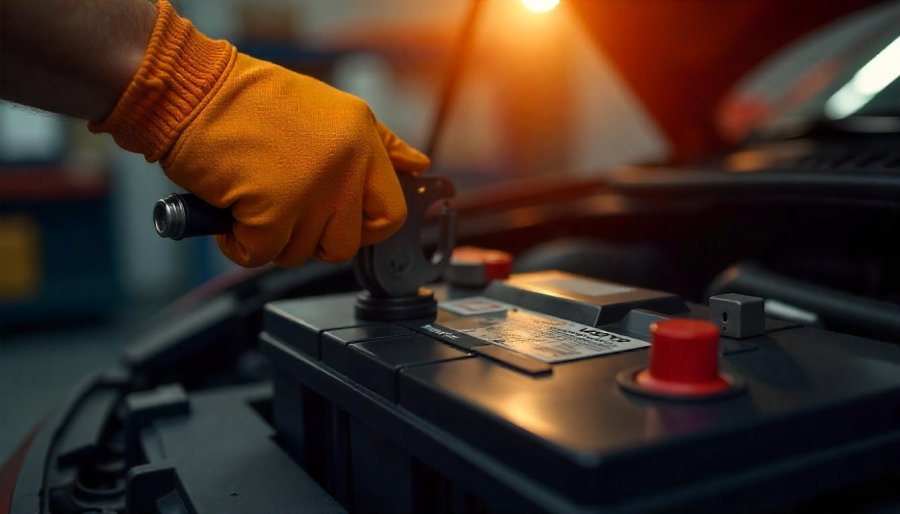
How Routine Battery Maintenance Ensures Your Vehicle’s Reliability
Keeping your car’s battery in good shape is essential for maintaining overall vehicle reliability. A dependable battery ensures your car starts every time, even in cold weather or after sitting idle for a while. When your battery is well-maintained, you reduce the chances of unexpected stalls or breakdowns that can leave you stranded. Incorporating routine checks into your maintenance routine builds a solid foundation that keeps your vehicle ready to perform whenever you need it.
One of the best ways to prevent surprises on the road is to catch potential issues early. Regularly inspecting the battery terminals for corrosion or buildup can save you from future headaches. Corrosion appears as white, green, or bluish deposits around the connections and can impair electrical flow, causing sluggish starts or dimming lights. Cleaning these deposits with a simple baking soda and water solution restores good contact. Keeping the cables tight and ensuring the battery is securely mounted prevents unnecessary vibrations that could damage internal components over time, prolonging its lifespan and reliability.
Monitoring your battery’s health through simple voltage checks offers valuable insight into its condition. Using a multimeter to measure voltage when the engine is off is quick and straightforward. A healthy, fully charged battery should read about 12.6 volts. If the reading dips significantly below that, it signals the battery is weakening and might not last much longer. Many auto parts stores offer free testing, making it easy to stay ahead of potential failures. Performing these checks every few months, especially before long trips or during seasonal changes, helps you identify signs of decline early, so you can replace the battery before it leaves you stranded.
Paying attention to physical signs of internal damage is equally important. Swelling, cracks, or leaks indicate internal deterioration that can cause sudden failure. If you notice any of these issues, replacing the battery promptly prevents inconvenient breakdowns. For batteries with removable caps, regularly checking and topping up with distilled water keeps the electrolyte levels balanced, supporting consistent performance. Addressing these small signs early not only extends the life of your battery but also ensures your vehicle remains dependable in all conditions.
Simple habits go a long way in maintaining vehicle reliability. Turning off electronics like headlights and interior lights when the engine isn’t running prevents unnecessary power drain. Parking in a shaded or garage area shields the battery from extreme cold, which can speed up internal damage. Regularly wiping the terminals clean and applying anti-corrosion spray maintains a solid electrical connection, reducing the risk of sudden failures. These small, consistent actions reinforce your vehicle’s dependability, helping you avoid unexpected stalls and ensuring reliable starts every day.