Few moments in life evoke pure happiness like a dog’s joyful outdoor walk—where discovery, trust, and companionship intertwine. These simple excursions are more than routine; they are vital rituals that nurture emotional bonds and mental well-being for both pets and owners. But what makes these walks so profoundly meaningful? Is it the scent of fresh grass, the playful bounce of a wagging tail, or the quiet trust built in shared exploration? As dogs sniff and investigate at their own pace, they experience fulfillment and security, while owners witness genuine joy that deepens connection. Recognizing subtle cues of happiness and responding with patience transforms an ordinary outing into an adventure of mutual discovery. With mindful planning, positive reinforcement, and gentle guidance, every walk can become a treasured memory—turning routine into a celebration of life’s simplest pleasures. Are you ready to make each outdoor walk a joyful bonding experience to cherish forever?
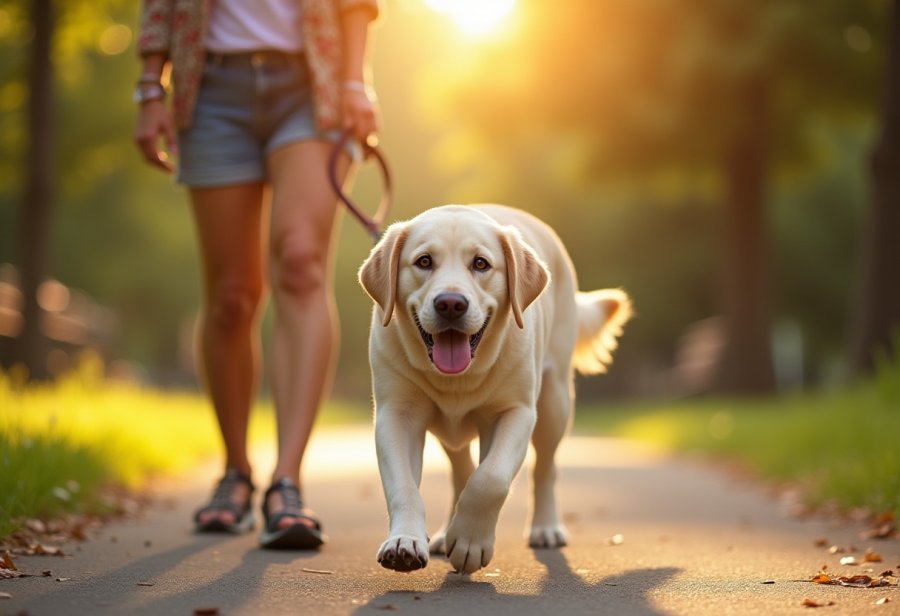
Discover the Pure Joy of Outdoor Dog Walks
Few moments in life feel as pure and uncomplicated as a dog’s outdoor walk. It’s a simple pleasure that captures the essence of joy—both for pets and their owners. Whether it’s a bright afternoon or a cool morning, these walks turn an everyday activity into a small celebration of life. For dogs, it’s an adventure packed with new scents, sounds, and sights that ignite their curious minds. For owners, it’s a chance to step outside, breathe fresh air, and reconnect with their pets in a natural setting.
What makes these walks so meaningful isn’t just the physical exercise but the emotional bond they nurture. As dogs explore freely, sniff eagerly, and investigate their surroundings, they experience a sense of fulfillment that’s hard to find indoors. Meanwhile, owners observe these moments of curiosity and trust, often feeling a quiet happiness in simply being present. The shared rhythm of these outings creates a peaceful closeness—one that deepens connection without the need for words or grand gestures.
Outdoor walks also serve as vital mental boosts for dogs. The variety of scents, sounds, and sights stimulate their senses and keep their minds engaged. Sniffing along the trail isn’t just play—it’s essential for their emotional well-being. This natural exploration helps reduce boredom and anxiety, making each walk more than just routine—it becomes a trusted ritual of discovery. When owners participate actively, praising and encouraging, they reinforce a sense of safety and love.
Beyond the physical and mental benefits, these walks build trust. Dogs learn to rely on their owners for guidance and reassurance, which strengthens their sense of security. The relaxed pace, gentle encouragement, and shared discoveries create a calming environment where happiness flourishes. It’s in these moments that pet and owner truly connect, laying the groundwork for a bond rooted in trust and mutual enjoyment.
The magic of a joyful walk isn’t about reaching a destination but being truly present in the moment. Watching a dog’s nose pressed to the ground or feeling the warmth of sunlight on your skin reminds us that life’s greatest pleasures often come from simple, everyday experiences. Those small things—a wagging tail, a contented sigh—highlight how happiness can be found in the smallest interactions. That’s what makes outdoor walks so profoundly meaningful: they turn routine into treasured memories.
Looking ahead, understanding what makes these walks so joyful sets the stage for enhancing them. By paying attention to our dogs’ cues and creating positive environments, we can make every outing a memorable adventure. The goal isn’t just exercise but fostering a shared sense of discovery and trust that endures well beyond the walk. These natural moments of outdoor companionship remind us that happiness often resides in life’s simplest pleasures.
Decoding Canine Happiness Through Body Language
Understanding when a dog is truly happy during outdoor walks depends on reading their body language and behavioral cues. A relaxed dog often displays a wagging tail, soft eyes, and a loose, comfortable stance. They might enthusiastically sniff around, explore eagerly, or even roll onto their back to show trust. These signs indicate they’re mentally engaged and emotionally at ease. On the flip side, signs of stress or discomfort—such as tucked tails, stiff posture, or rapid panting—are clear signals that the walk might be overwhelming for them. Recognizing these cues allows owners to adjust the pace, route, or activity to keep the experience positive.
A happy dog’s ability to explore freely is a core component of their well-being. When dogs are allowed to investigate scents, sounds, and sights at their own pace, they experience a sense of fulfillment that enhances their mental health. Social interactions, whether with their owner or other dogs, also boost their emotional state. Feeling safe and loved creates a foundation of trust, encouraging them to relax and enjoy their surroundings more fully. Paying close attention to their responses helps strengthen this bond, making each outing a shared moment of joy.
Natural stimuli during walks—the scent of fresh grass, the chirping of birds, or rustling leaves—play a vital role in a dog’s happiness. These sensory inputs stimulate their curiosity and keep their minds engaged, which is crucial for emotional health. When owners respond with gentle praise and encouragement, it reinforces confidence and trust. Dogs that feel supported and supported by their owners tend to approach new experiences with enthusiasm rather than hesitation, turning outdoor exploration into a source of genuine joy.
Physical health benefits are well-known, but the emotional benefits are equally important. Regular outdoor walks help reduce boredom and prevent anxiety-driven behaviors, such as barking or destructive chewing. When dogs feel physically active and emotionally secure, their overall happiness blossoms. This positive state not only improves their mood but also deepens the connection with their owner, fostering a sense of mutual trust that makes every walk more meaningful. Recognizing these signs of happiness encourages a more mindful, responsive approach to outdoor time.
Small, everyday moments often reveal a dog’s true happiness. The wag of a tail, a contented sigh, or a nose pressed eagerly to the ground are simple but powerful indicators. These interactions remind us that joy isn’t about grand gestures but about appreciating the quiet, natural experiences that make life special. When owners tune into these signals, they can create outdoor outings that are fulfilling and stress-free for their pets, strengthening the bond and nurturing a sense of trust.
By understanding and responding to these cues, owners can ensure their dogs enjoy outdoor walks to the fullest. Recognizing happiness in dogs isn’t just about observing behaviors—it’s about creating a supportive environment where curiosity and trust flourish. When a dog feels truly happy and safe, every step becomes a shared adventure rooted in love and mutual understanding. These moments of genuine joy form the foundation of a lifelong bond, turning everyday walks into treasured memories of connection and trust.
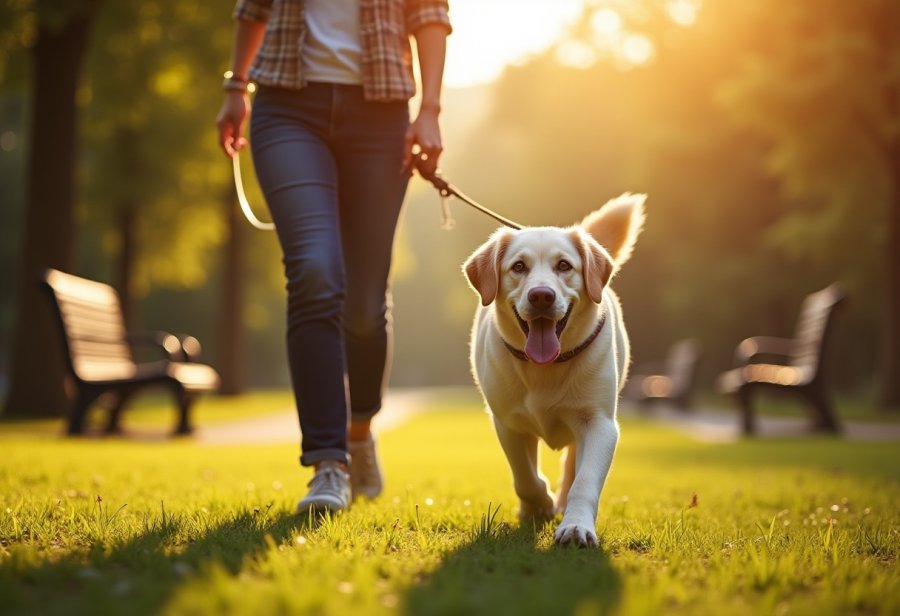
Transform Routine Walks into Adventures of Connection
To ensure outdoor walks are truly joyful for your dog, start with some simple preparations. Invest in comfortable, well-fitting gear like a harness or collar and a sturdy leash. These tools not only keep your dog safe but also give you better control, especially if they tend to pull or get overly excited. Planning your route ahead of time can also set a relaxed tone; choose quiet, safe areas that match your dog’s energy level, helping to prevent overwhelm and making the walk more enjoyable for both of you.
Once you step outside, encourage your dog to explore naturally. Let them sniff, investigate, and move at their own pace—these are vital for their mental stimulation and emotional well-being. When they discover something interesting, praise them gently to reinforce positive experiences. Turning a routine walk into an adventure—by hiding treats or toys along the trail—can excite their senses and boost their confidence, transforming ordinary outings into memorable moments of discovery.
Pay close attention to your dog’s body language throughout the walk. Signs like wagging tails, relaxed postures, and bright eyes indicate they’re enjoying themselves. If you notice tension, stiff body language, or rapid panting, it’s time to slow down, change direction, or take a break. Adjusting the pace or route ensures your dog stays comfortable and prevents minor discomfort from turning into stress. Being responsive to their cues helps keep the walk positive and fosters trust.
Natural distractions—such as other animals, loud noises, or enticing scents—are part of outdoor exploration. Gently redirect your dog’s attention with treats or commands like “look at me” to maintain focus. Consistent redirection and positive reinforcement teach your dog to stay calm and attentive, turning unpredictable moments into opportunities for learning and enjoyment. Patience and gentle guidance are key to building their confidence and ensuring they feel secure in unfamiliar environments.
Building a bond during the walk involves calm, engaging interaction. Talk softly, praise good behavior, and let your dog take the lead at times. Giving them the freedom to choose which direction to go or when to pause respects their instincts and fosters confidence. These small acts of trust deepen your connection and make each walk a shared adventure rooted in mutual understanding and affection.
Incorporating brief training exercises—like practicing commands such as “sit,” “stay,” or “come”—in different outdoor settings can enrich the experience. Not only does this keep your dog mentally stimulated, but it also reinforces good manners and safety. Celebrating small successes with praise or treats turns training into a positive part of your routine. When these activities become integrated into your walks, every outing offers a chance to strengthen your bond and enjoy your shared journey even more.
Strategies to Enrich Every Outdoor Experience
To make outdoor walks more joyful and engaging for your dog, a little preparation can make a big difference. Start by choosing comfortable, well-fitting gear like a harness or collar and a sturdy leash. These ensure your dog feels secure and give you better control, especially if they tend to pull or get overly excited. Planning your route in advance helps set a relaxed tone—opt for quiet, safe areas that match your dog’s energy level, avoiding overwhelming environments and creating a calm atmosphere for both of you.
Once outside, encourage your dog to explore naturally. Let them sniff, investigate, and move at their own pace—these activities are vital for their mental stimulation and emotional health. When they find something interesting, praise them gently to reinforce positive experiences. Turning a routine walk into an adventure—by hiding treats or toys along the trail—can ignite their curiosity and build confidence, transforming ordinary outings into memorable moments of discovery.
Pay close attention to your dog’s body language throughout the walk. Signs like wagging tails, relaxed postures, and bright eyes indicate they’re enjoying themselves. If you notice tension, stiff bodies, or rapid panting, it’s time to slow down, change direction, or take a break. Adjusting the pace or route ensures your dog remains comfortable and prevents minor discomfort from escalating into stress. Being responsive to these cues keeps the walk positive and helps deepen trust.
Natural distractions—such as other animals, loud noises, or enticing scents—are part of outdoor exploration. Gently redirect your dog’s attention with treats or commands like “look at me” to maintain focus. Consistent redirection and positive reinforcement teach your dog to stay calm and attentive, turning unpredictable moments into opportunities for learning and enjoyment. Patience and gentle guidance are key to building their confidence and ensuring they feel secure in new environments.
Building a bond during the walk involves calm, engaging interaction. Talk softly, praise good behavior, and let your dog lead at times. Giving them the freedom to choose which way to go or when to pause respects their instincts and fosters confidence. These small acts of trust deepen your connection and turn each outing into a shared adventure rooted in mutual understanding and affection.
Incorporating brief training exercises—like practicing commands such as “sit,” “stay,” or “come”—can enrich your outdoor routine. These moments keep your dog mentally stimulated and reinforce good manners and safety. Celebrating small successes with praise or treats makes training a positive addition to your walks, strengthening your bond and making every outing more rewarding.
A little flexibility and attentiveness turn routine walks into meaningful experiences. When your dog senses your calmness and encouragement, they’re more likely to relax and enjoy every moment. Creating a positive environment where exploration is encouraged and distractions are managed helps your dog feel safe and happy. Over time, these thoughtful touches cultivate trust and make outdoor walks truly joyful adventures for both of you.
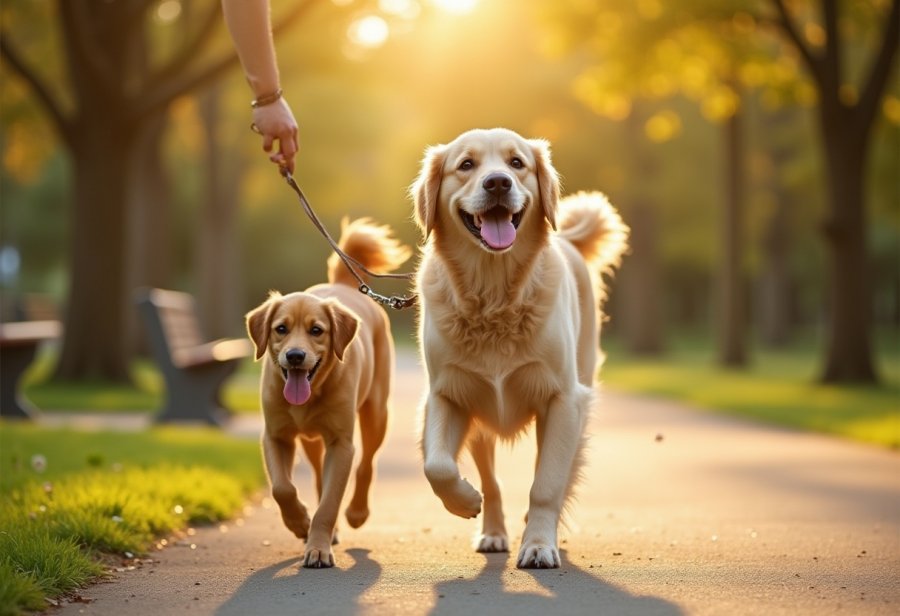
Cherishing the Lasting Bond of Joyful Walks
Outdoor walks are more than just routines—they are meaningful moments that strengthen the bond between dogs and their owners. When dogs are free to explore and engage their senses, they develop a sense of security and contentment that deepens trust and affection. These shared experiences aren’t solely about physical activity; they serve as opportunities for mutual understanding and emotional connection, laying a foundation for lasting happiness.
Every walk filled with gentle interactions and positive reinforcement becomes a small ritual of trust. Observing a wagging tail, a relaxed posture, or a curious nose pressed to the ground signals genuine joy and safety. When owners respond with kindness and attentiveness, they reinforce this sense of security, transforming ordinary outings into treasured memories rooted in love. Over time, these simple acts of care nurture a bond that extends beyond the walk itself, making every outdoor adventure a reflection of mutual trust and affection.
The emotional benefits of outdoor walks are profound. Dogs experience joy and mental stimulation from discovering new scents, sights, and sounds, which boost their confidence and reduce anxiety. This exploration fosters a sense of fulfillment that enriches their emotional well-being. When owners participate actively—praising, encouraging, and engaging—they turn each outing into a shared adventure that nurtures happiness and trust. These moments of discovery become a language of love, strengthening the connection between pet and owner.
Physical health is important, but the emotional rewards often have a more lasting impact. Regular outdoor walks alleviate boredom, prevent destructive behaviors, and promote a balanced state of mind. When dogs feel physically active and emotionally secure, they radiate happiness that positively influences their overall demeanor. Recognizing and valuing these joyful moments helps owners see outdoor walks not just as exercise, but as vital building blocks for a confident, contented dog and a more meaningful relationship.
In the end, these simple outdoor moments remind us that life’s greatest joys often come from the smallest interactions. A wagging tail, a contented sigh, or a nose pressed eagerly to the ground are signs that a dog feels truly loved and safe. Cherishing these everyday interactions transforms routine walks into profound expressions of trust and companionship. By embracing the simplicity of these shared experiences, owners nurture a bond rooted in genuine happiness, making every outdoor walk a treasured chapter in their ongoing journey together.