What if the greatest obstacle to learning to swim isn’t the water itself, but the courage to take that first step? This inspiring journey reveals how water confidence can be built at any age through patience, small victories, and support. From shallow waters to deeper lanes, each breakthrough—whether floating unaided or swimming a few strokes—transforms fear into freedom. The process emphasizes gradual progress, breathing techniques, and understanding buoyancy, making the water a safe, empowering space. As technology advances, innovative tools like virtual reality, wearable devices, and online tutorials are democratizing access, breaking down barriers for learners of all ages and abilities. Could these groundbreaking approaches redefine how we conquer water fears and foster lifelong confidence? Ultimately, this evolving landscape promises a future where everyone, regardless of age or experience, can embrace water with joy and assurance, turning hesitation into empowerment.
Transform Your Life: The Power of Learning to Swim
Learning to swim is more than just acquiring a new skill; it’s a transformative experience that can significantly boost confidence and safety at any age. For many, water has long been a source of hesitation or fear, but taking that first step into the pool can change everything. It’s about more than just staying afloat—it’s about feeling empowered in a space that once seemed intimidating or even dangerous. Mastering water skills opens up a world of fun, exercise, and personal growth that extends far beyond the poolside.
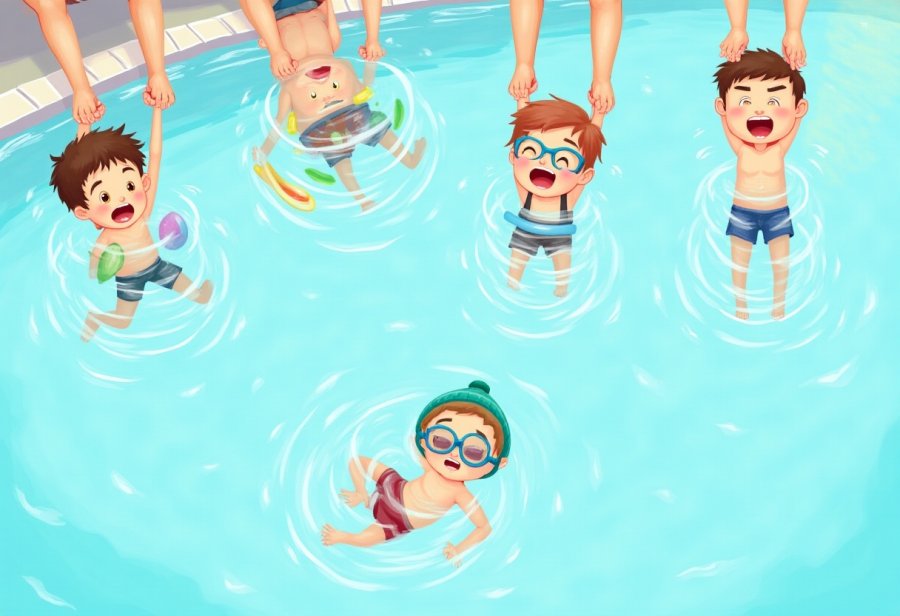
Starting this journey might seem intimidating, especially if fears like drowning or losing control are part of your mindset. But these fears are common and can be gradually overcome with patience and support. Small, manageable steps—such as floating, breathing exercises, or simple kicks—help build trust in your body’s buoyancy and the water’s support. Each small success reinforces your sense of capability, encouraging you to push further and try new skills.
The physical benefits of learning to swim go hand-in-hand with mental well-being. Swimming strengthens muscles, enhances flexibility, and boosts endurance—all while being gentle on joints. Beyond the physical, it’s a natural stress reliever that can lift your mood and sharpen focus. Water becomes a space for both physical vitality and mental clarity, transforming initial apprehension into enjoyment and confidence.
What makes learning to swim particularly impactful is its lifelong potential. Whether you’re an adult finally facing this challenge or a parent teaching a child, the skills gained foster independence and safety. Knowing how to navigate water confidently can prevent accidents and even save lives. Plus, it opens doors to a wide range of water activities—whether relaxing at a lake, enjoying a beach vacation, or joining a local swim club.
Ultimately, the journey is about progress, not perfection. Every splash, every breath, and every small victory adds up to a bigger sense of freedom in the water. With patience, practice, and encouragement, water becomes a space of empowerment rather than fear, turning hesitation into confidence and anxiety into enjoyment. Learning to swim at any age is a gift—one that transforms hesitation into confidence and fear into freedom.
Building Water Confidence at Any Age: Trust, Support, and Practice
Building water confidence isn’t exclusive to kids or those who grew up around pools; it’s a skill anyone can develop at any age. The key lies in starting small and taking consistent steps. When you begin in shallow water where you can stand comfortably, it helps reduce anxiety and makes the experience feel less overwhelming. Using flotation devices like kickboards or floaties can provide extra support, allowing you to focus on simple skills such as floating or breathing without feeling out of control.
Patience plays a crucial role. Confidence in the water doesn’t develop overnight, and everyone’s journey is different. Regular practice, even for just a few minutes a day or a few times a week, gradually builds familiarity and trust. Celebrating small wins—like floating on your back or moving a few strokes independently—shifts your mindset from fear to confidence. Over time, these successes reshape how you see water, transforming it from a source of worry into a space of comfort.
Support from experienced instructors or trusted friends makes a significant difference. They can offer gentle guidance, help you correct mistakes early, and provide reassurance when nerves surface. Their encouragement turns challenging moments into opportunities for growth. Remember, feeling nervous or unsure at first is normal—what matters is sticking with it and trusting the process. With each practice, your muscles and mind recognize what’s happening, reducing hesitation and boosting your confidence.
Breathing techniques are another powerful tool in this process. Deep, steady breaths calm nerves and create a sense of control. Learning to inhale slowly and exhale evenly into the water helps you stay relaxed and prevents panic. Over time, this breathing pattern becomes second nature, making it easier to stay calm even in deeper water. Feeling in control of your breath is often the biggest hurdle—and mastering it can unlock a new level of comfort.
Getting familiar with how buoyancy works is also essential. Repeating exercises like floating and gentle kicks helps your body understand how water supports you. This understanding diminishes fears of sinking or losing control. As you practice, your muscles and brain learn to recognize water’s supportive nature, turning initial fears into trust. The more you practice, the more intuitive these movements become, steadily building your confidence.
Age isn’t a barrier in this journey. Many adults and seniors learn to swim later in life by starting with simple confidence-building activities. Each small step—whether floating unaided or swimming a few strokes—reinforces trust in your abilities and in water itself. Developing water confidence is a gradual process, driven by patience and persistence. As you progress, water becomes not just a challenge to overcome but a space where you feel empowered and at ease.
Practical Strategies and Resources for Every Learner
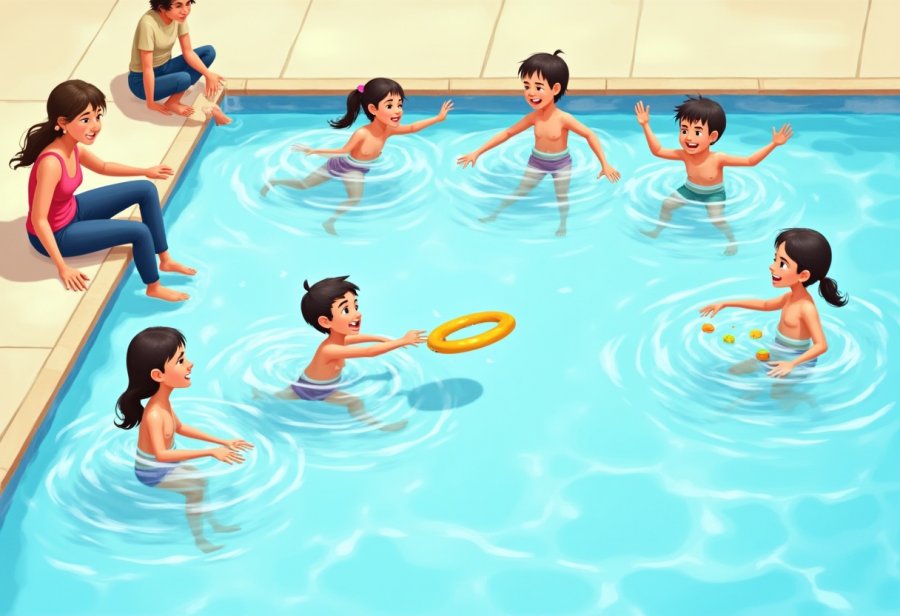
Learning to swim effectively at any age means finding approaches that suit your comfort level and learning style. Many community pools, YMCAs, and local recreation centers offer beginner-friendly classes designed specifically for adults and older adults. These programs focus on patience, gradual skill development, and creating a supportive environment that eases anxiety. Joining a structured class provides consistent guidance from instructors who understand how to break down skills into manageable steps, helping you progress at your own pace while feeling supported every step of the way.
Private lessons offer another valuable option. Working one-on-one with a certified instructor allows for personalized feedback tailored to your specific needs. A good instructor can help you overcome fears, correct mistakes early, and build confidence through gentle encouragement. Whether you’re mastering breathing techniques, floating, or swimming your first laps, personalized coaching makes the learning process smoother and more comfortable, often accelerating your progress.
With today’s digital resources, online tutorials and instructional videos have become increasingly popular. These tools let you practice skills like breathing, floating, and kicking at your convenience, often in your own pool or safe space. Visual demonstrations clarify techniques that might seem complicated at first, and many videos include tips for overcoming common challenges. Combining digital practice with in-person guidance or supervision ensures safety and helps you refine your technique, making learning more flexible and accessible.
Water-based programs like water aerobics or adult swim clinics also support confidence-building in a fun, social setting. These classes emphasize gentle exercises and introduce you gradually to different water environments, reducing fears and increasing familiarity. Participating in group activities makes the process less intimidating, and the camaraderie can motivate you to stick with your practice, turning water confidence into a shared journey.
Throughout your learning process, safety remains paramount. Starting in shallow water with familiar surroundings helps prevent accidents and fosters trust. Using supportive gear such as goggles, floaties, or kickboards provides extra security, making it easier to focus on developing your skills. Regular, consistent practice—focusing on small, achievable goals—builds momentum over time and transforms initial apprehension into genuine confidence. Learning to swim at any age is about steady progress, patience, and persistence, paving the way for a lifelong relationship with water.
The Step-by-Step Journey to Water Mastery
Building water confidence is a gradual process, with each small step laying the foundation for greater comfort and trust. It often begins with simply getting used to being in shallow water where you can stand easily. Spending time in familiar, safe zones helps ease initial fears and makes the water feel less threatening. When you become comfortable standing and relaxing in shallow water, the idea of moving into deeper areas feels less intimidating.
Once you’re comfortable in shallow water, practicing relaxed floating—on your back or stomach—can make a significant difference. Floating demonstrates how water supports your body, reinforcing the idea that you’re not at its mercy. These exercises build trust, showing you that water can be a gentle ally rather than an adversary. As confidence grows, you’ll find it easier to try simple kicks and arm movements, breaking down strokes into manageable steps.
Support from an instructor or a trusted friend can make all the difference. They can guide you through each stage, offer reassurance, and help correct mistakes early on. Their presence provides a sense of safety that transforms what might seem overwhelming into manageable challenges. This encouragement keeps you motivated, especially when progress feels slow or nerves spike. Remember, patience and persistence are key—trust that each small victory builds toward a bigger sense of mastery.
Breathing is another crucial element in this confidence-building journey. Deep, steady breaths calm nerves and create a feeling of control. Practicing inhaling slowly through your nose or mouth, then exhaling evenly into the water, helps prevent panic and promotes relaxation. Over time, this breathing pattern becomes second nature, making it easier to stay calm even when you venture into deeper water. Feeling in control of your breath often unlocks a new level of confidence.
Understanding how buoyancy works is also essential. As you repeat exercises like floating and gentle kicks, your body begins to recognize how water supports you. This familiarity reduces fears of sinking or losing control. Each session reinforces this trust, helping fears diminish and confidence grow. The more you practice, the more instinctive these movements become, making water feel like a safe space rather than a source of anxiety.
This process isn’t limited by age. Many adults and seniors have successfully learned to swim by starting with simple, confidence-boosting activities. Every small step—whether floating unaided or swimming a few strokes—is a building block toward trust in your abilities. Over time, these tiny victories accumulate, transforming water from an obstacle into a space of empowerment. With patience and persistence, you’ll find that confidence in the water is within reach for everyone willing to take that first brave step.
Innovating the Future of Swimming Education and Confidence
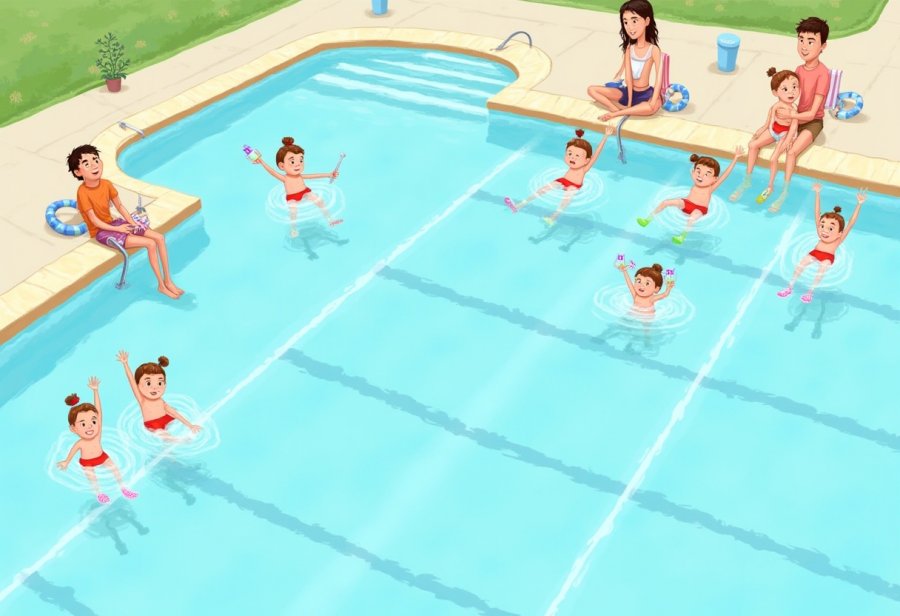
The future of learning to swim is shaping up to be more innovative and accessible than ever before. Advances in technology are opening new pathways to build water confidence, making it easier for people of all ages to develop essential skills. Virtual and augmented reality tools are emerging as powerful aids, allowing learners to practice strokes, breathing, and water safety in immersive environments that reduce anxiety and boost familiarity before stepping into the pool. These simulations help break down mental barriers, turning the intimidating unknown into a safe, controlled space for practice.
Wearable devices and smart swimwear are transforming how progress is tracked, providing real-time feedback on technique and effort. These gadgets encourage consistent practice by offering personalized insights, making improvement feel tangible and motivating. For many, seeing measurable progress can turn water confidence from a distant goal into a daily achievable step. Such tools also help instructors tailor lessons more precisely, ensuring each learner’s needs are addressed and fears eased along the way.
Online platforms and mobile apps are broadening access, giving learners the flexibility to practice skills on their own schedule. Video tutorials, virtual coaching, and interactive tutorials complement in-person instruction, creating a blended learning environment that’s both flexible and effective. This digital expansion makes water education more inclusive, especially for those who may feel hesitant about traditional classes or live in remote areas. It’s a way to democratize water safety and skills, reaching more people than ever before.
In addition to technical skills, the focus on mental resilience and emotional well-being is gaining prominence. Programs now incorporate mindfulness exercises, breathing techniques, and confidence-building strategies that help learners manage water-related anxiety more effectively. This holistic approach ensures that water confidence isn’t just about physical ability but also about fostering a positive, resilient mindset. As a result, more people feel empowered to face water environments with calm and assurance, transforming fear into enjoyment.
Innovations are also making swimming more inclusive. Adaptive technologies and specialized programs are designed to support individuals with disabilities or physical limitations, ensuring that water skills are accessible to everyone. This emphasis on inclusivity helps break down barriers, making water a space where all can thrive and feel safe. As these trends continue, the pathway to learning to swim will become smoother, more personalized, and more welcoming—opening the door for a lifelong relationship with water that’s built on confidence, safety, and joy.