Underground street racing is far more than a high-speed pursuit; it’s a clandestine culture rooted in loyalty, brotherhood, and resilience. Beyond the roar of engines and neon-lit nights, racers forge bonds that transcend mere competition, creating a community built on trust, shared risks, and unwavering support. These relationships—nurtured through secret gatherings, custom vehicle markings, and unspoken codes—become lifelines in environments often marked by adversity and marginalization. The culture’s roots trace back to rebellious origins, evolving into a symbol of identity and pride for urban youth seeking purpose beyond mainstream avenues. Expert insights reveal that loyalty acts as a safety net, turning fleeting adrenaline into lifelong connections. But what drives these fierce communities to endure law enforcement crackdowns, rival threats, and personal setbacks? In the shadows of the city, the true thrill lies in the unbreakable bond that transforms speed into a shared legacy—proof that, in underground racing, brotherhood is the ultimate victory.
Underground Street Racing: A Culture Built on Loyalty and Brotherhood
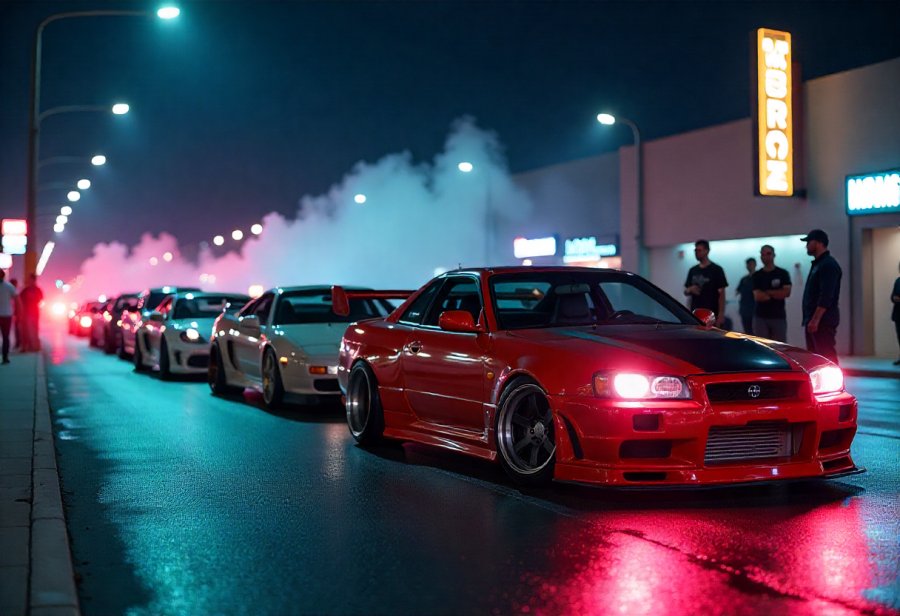
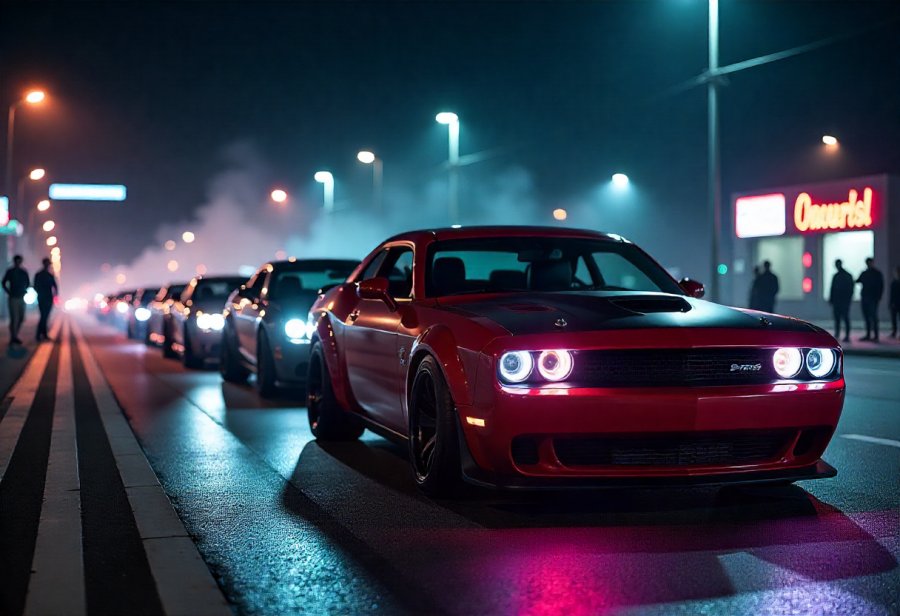
Underground street racing isn’t just a rush of speed; it’s a vibrant world built on trust, loyalty, and brotherhood. Every night, racers gather in hidden spots around the city, where the atmosphere hums with anticipation. Neon lights flicker, engines growl, and the air crackles with energy—these moments feel almost like rituals. Beyond the adrenaline, what keeps people coming back is the sense of belonging that develops among racers. They’re not just competitors—they’re part of a tight-knit community that values loyalty and mutual support above all else.
In these clandestine gatherings, racing becomes more than just a contest of speed—it’s a shared experience that creates deep bonds. Crews support each other through every burn and bump, sharing tips on car modifications and watching each other’s backs. It’s about trust—knowing that everyone is committed to each other’s safety and success. These relationships often turn into lifelong friendships rooted in sacrifice and loyalty, reinforced under the cover of darkness and secrecy.
Loyalty is the backbone of this culture. It’s woven into customs like respecting territory, keeping secrets, and backing each other during risky runs. These unspoken rules aren’t written down but learned through tradition, creating a sense of stability amid chaos. Crew members see their group as family, supporting one another through setbacks and celebrating successes together. Respect and trust are the currency that keeps the community resilient and close-knit.
What makes underground racing truly powerful is how these bonds extend beyond the streets. The shared risks, late-night tuning sessions, and collective support forge relationships that go far beyond the race itself. These connections provide emotional stability and a sense of purpose, especially in environments where mainstream opportunities are limited. The culture’s strength lies in its ability to turn fleeting moments of adrenaline into lifelong bonds that shape identities and communities.
Cars play a crucial role in expressing loyalty. Custom mods, logos, and paint schemes aren’t just about style—they’re signals of allegiance. A vehicle bearing a crew’s markings shows trust and pride, reinforcing the shared identity that unites everyone. These visual cues serve as moving tokens of loyalty, reminding members of the bonds forged through shared risks and sacrifices.
In this world, loyalty and brotherhood are more than ideals—they are survival tools. They help communities endure external pressures like law enforcement crackdowns or rival groups. These relationships transform high-speed pursuits into powerful stories of resilience, pride, and belonging. Underground street racing, at its core, isn’t just about speed—it’s about creating a family that stands strong in the shadows of the city, bonded for life.
From Rebellion to Ritual: The Evolution and Significance of Street Racing
Street racing’s roots run deep, stretching back to the early days when young car enthusiasts sought thrills beyond the confines of official racetracks. What often began as spontaneous, rebellious acts—organizing unofficial races on quiet city streets or deserted parking lots—quickly grew into a global underground movement. Over time, these clandestine events became symbols of defiance, spreading across urban centers and shaping a unique culture rooted in independence and daring.
As technology advanced, so did the cars involved. Early racers began customizing their vehicles—adding larger engines, specialized exhaust systems, and lightweight parts—to gain an edge. These modifications weren’t solely about speed; they became a form of self-expression, showcasing creativity, identity, and pride. This evolution transformed street racing into a vibrant scene where craftsmanship and innovation are celebrated just as much as raw power.
Throughout the decades, street racing embedded itself into urban identity. It became a space where skill, style, and community coalesced, creating bonds through shared knowledge and experience. Despite its controversial reputation, the culture endures because it resonates with universal desires for freedom, recognition, and belonging—especially in neighborhoods where mainstream opportunities feel limited. In this world, cars are more than transportation; they’re symbols of resilience and pride.
The scene’s diversity adds richness—ranging from straight-line drag races to intricate drifting battles—each style reflecting different skills and personalities. Yet, beneath these variations, the core remains unchanged: a relentless pursuit of pushing limits and learning from each other. These shared passions foster a sense of camaraderie and kinship that transcends individual races, turning fleeting adrenaline into lifelong bonds.
Street racing’s cultural significance extends beyond the asphalt. It’s a platform for storytelling, identity, and community resilience. The relationships forged in the shadows of the city—built on trust, loyalty, and shared risks—offer a sense of purpose and connection often missing from mainstream avenues. Here, in the underground, speed fuels more than just engines; it ignites a collective spirit that endures across generations.
Secrets, Hierarchies, and the Unbreakable Bonds of Racing Crews
Underground racing communities develop their own social structures that help maintain order amid the chaos and high stakes. These hierarchies are informal but deeply rooted in reputation, skill, and loyalty. Respect is earned through proven success and acts of trust, with seasoned racers and crew leaders wielding influence based on their track records. Newcomers quickly learn that credibility is built through consistent actions, making loyalty the most valued currency in the scene.
Trust and loyalty run deep in every aspect of underground racing. Racers depend on each other for safety during risky runs, sharing insider knowledge and techniques that give them an edge. Respecting unspoken rules—such as protecting turf or backing up teammates—is crucial. These norms aren’t written down but passed through tradition and shared experience, creating a foundation of stability amid the chaos.
Night racing itself acts as a ritual that cements bonds among crew members. Gathering in secret spots transforms city streets into private arenas, where mutual support and trust are paramount. During these moments, the focus shifts from individual victory to collective protection. Darkness and secrecy heighten the sense of intimacy, making signals and gestures part of a language only insiders understand.
Loyalty extends beyond race nights. Crew members share tips, troubleshoot problems, and stand by each other in setbacks, reinforcing the idea that their success depends on cohesion. When a member faces danger or legal trouble, others step in, showing that brotherhood isn’t just about cars—it’s a lifeline. Vehicles themselves symbolize allegiance, with custom mods, logos, and paint schemes acting as signals of trust and pride within the community.
Unwritten rules govern conduct—respecting shared racing spots, keeping techniques within the crew, and protecting secrets. This sense of exclusivity fosters trust, making members feel part of something bigger. Conflicts and mistakes happen, but they’re often resolved through open communication, which only deepens loyalty and resilience. These moments reinforce that their brotherhood is built to last.
The social fabric of underground racing is rooted in these codes—emphasizing loyalty, respect, and mutual support. These norms create a resilient community where relationships are forged through action and shared risks. Though informal, these customs sustain a brotherhood that endures through adversity, turning fleeting moments of speed into lifelong bonds that define the culture.
Beyond the Asphalt: How Street Racing Shapes Personal Lives and Communities
Street racing often forges deep bonds among those involved, shaping personal relationships in ways that extend far beyond the thrill of the race. When crews spend late nights tuning cars or supporting each other through setbacks, they build trust and loyalty that can last a lifetime. These shared acts of camaraderie turn into friendships rooted in the understanding that everyone’s success and safety depend on mutual support. It’s this sense of brotherhood that keeps communities tight-knit, even when external pressures mount.
Beyond the individual crews, underground racing influences the identity of neighborhoods and local culture. Crews often become symbols of resilience and ingenuity, inspiring pride within their communities. The scene also stimulates local economies—small businesses like parts shops, customization garages, and streetwear brands thrive alongside the culture, creating a ripple effect of economic vitality. Despite its controversial reputation, street racing offers young people a space for self-expression and a sense of purpose in environments where mainstream opportunities may be scarce.
Stories from participants highlight how shared experiences foster resilience and personal growth. Many speak of moments where loyalty and quick thinking prevented disaster or where their crew’s support helped them rebuild after setbacks. These relationships often extend beyond racing, providing emotional stability and a feeling of belonging. Supporting each other through challenges deepens bonds and reinforces a collective strength that extends well beyond the asphalt.
Cars themselves become symbols of loyalty and pride. Custom modifications, logos, and paint schemes aren’t just about style—they’re badges of allegiance. When a vehicle bears a crew’s markings, it signals trust and commitment, strengthening the shared identity that keeps the community united. These visual cues serve as constant reminders of the bonds forged through shared risks and sacrifices, helping maintain the integrity of the community.
The impact of underground racing reaches into everyday life, shaping how participants see themselves and their place in the world. Loyalty and support cultivated within these circles often help members navigate difficult circumstances, fostering resilience amid adversity. This sense of community offers a counterbalance to the chaos and danger inherent in street racing, providing a foundation of stability.
While risks are real, the culture’s emphasis on trust and brotherhood provides a safety net. It’s a space where relationships are built through actions—whether protecting each other during risky runs or celebrating each other’s successes. These shared bonds turn fleeting moments of adrenaline into lifelong connections, creating a culture rooted in loyalty that endures beyond the streets.
Ultimately, underground street racing is more than just high-speed competition; it’s a catalyst for personal and community transformation. The loyalty and kinship formed in this world foster resilience, pride, and a profound sense of belonging. These relationships keep the culture alive, demonstrating that even in the shadows of the city, a fierce brotherhood thrives, shaping lives in ways that go far beyond the asphalt.
Stories of Loyalty: Real Examples of Bonds Forged in the Shadows
Underground street racing is rich with stories that highlight the deep bonds and loyalty shared among participants. In Los Angeles, a crew has maintained its unity for over a decade, weathering legal threats and setbacks through unwavering support and trust. Their loyalty isn’t just about winning races; it’s about creating a family built on shared experiences, mutual protection, and collective resilience. These relationships endure because they’re rooted in genuine care, not just the thrill of speed.
In New York, a young racer credits his crew with saving him from a disastrous crash. During a high-stakes night race, quick thinking and steadfast loyalty from his teammates prevented catastrophe. Moments like these cement lifelong bonds, proving that underground racing is as much about looking out for each other as it is about crossing the finish line. These acts of support turn fleeting adrenaline into enduring friendships that define their lives.
Many racers speak of how their crews helped them rebuild after personal setbacks. A Chicago driver recalls late-night tuning sessions and shared struggles that fostered resilience and trust. These shared experiences create a sense of belonging, transforming the scene from mere competition into a source of emotional stability. The loyalty forged in these moments often extends beyond the asphalt, offering a lifeline during tough times.
Cars themselves serve as symbols of allegiance. Custom modifications, logos, and paint schemes are more than style statements—they’re signals of trust and commitment. When a vehicle bears a crew’s markings, it’s a moving badge of loyalty that reinforces bonds and shared identity. These visual cues become constant reminders of the sacrifices and shared risks that form the fabric of their community.
The stories from underground racing reveal that these relationships are what truly give the culture its strength. Beyond speed and competition, it’s the unwavering brotherhood, built through actions and shared risks, that turns fleeting moments into lifelong connections. In the shadows of the city, these bonds create a resilient, enduring brotherhood that shapes lives far beyond the streetlights.
Expert Voices: The Power of Trust and Brotherhood in Underground Racing
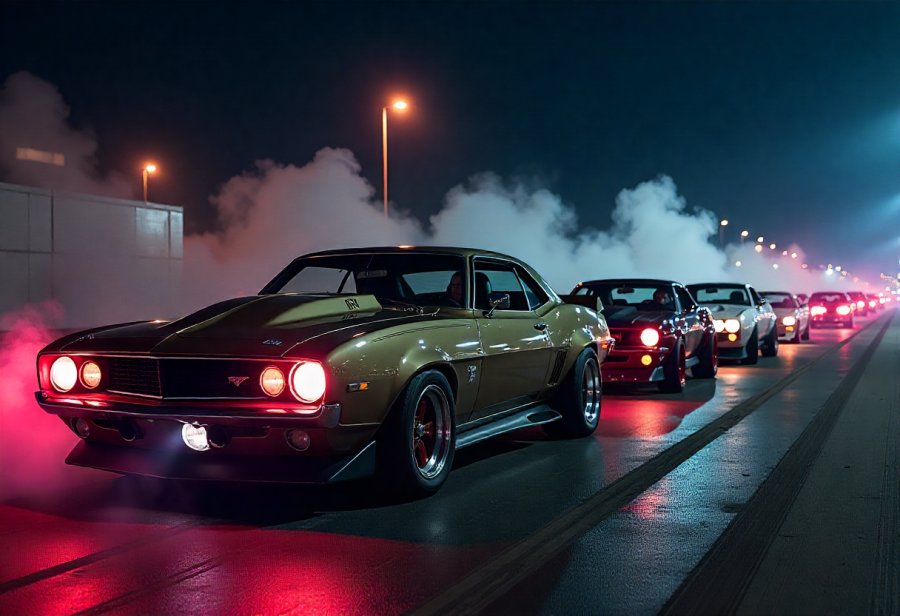
Veteran racers consistently emphasize that loyalty is the core of underground street racing. They see trust not just as a moral value but as a practical safeguard—something that keeps everyone safe when stakes are high and mistakes can be costly. One seasoned driver once said, “Out here, your strength comes from your crew. Loyalty isn’t optional; it’s what holds us together when the speed gets crazy and risks are real.” Actions speak louder than words; earning respect through reliability and sacrifice cements bonds that last.
Cultural analysts who study urban car communities note that these relationships are vital for resilience. They explain that the shared values of respect, mutual support, and self-sacrifice aren’t just ideals—they’re survival tools. When outside pressures mount, whether from law enforcement or rival groups, it’s the strength of loyalty and brotherhood that helps communities endure. These bonds become a shield, turning fleeting moments of adrenaline into a lasting culture of trust.
For newcomers, experienced racers advise that earning trust takes time and consistency. Showing up when it counts, sharing knowledge generously, and having each other’s backs in tough moments build credibility. These repeated acts of support forge a foundation of loyalty that can withstand setbacks and setbacks—making brotherhood more than a concept, but a lived reality. Their advice is simple: be dependable and genuine, and the trust will follow.
Unspoken codes also play a key role. Respecting shared racing spots, keeping techniques within the crew, and guarding secrets aren’t written down but learned through tradition. These norms foster a deep sense of stability, allowing members to feel like part of a family. When conflicts arise, they’re often resolved through honest communication, which only deepens trust. This resilience makes the brotherhood more than just a circle of racers—it’s a lasting community.
Cars symbolize this loyalty more than words ever could. Custom mods, logos, and paint schemes aren’t just about style—they’re signals of allegiance. When a vehicle bears a crew’s markings, it’s a moving badge of trust and pride. These visual cues serve as daily reminders of shared sacrifices and risks, strengthening bonds that go well beyond the asphalt.
In the end, seasoned voices agree that loyalty and brotherhood are the backbone of underground racing. They turn fleeting moments of speed into lifelong relationships, creating a resilient community built on action, trust, and mutual support. This culture isn’t just about racing—it’s about forging a family that endures, no matter what challenges come their way.