Mastering calm walks with your dog transforms routine outings into moments of trust, harmony, and mutual understanding. Yet, achieving this peaceful connection requires patience, consistency, and a strategic approach. How do you teach your dog to stay relaxed amidst distractions and excitement? This guide reveals effective techniques—from foundational training and positive reinforcement to step-by-step exercises—that turn walking into a bonding experience rather than a challenge. It emphasizes the importance of routine, clear cues, and manageable goals, all while managing setbacks with patience and adaptability. The journey involves not just training but fostering confidence and security in your dog, making each walk a peaceful shared accomplishment. Are you ready to elevate your bond and turn everyday walks into calming, joyful rituals? With thoughtful planning and persistence, you’ll discover that a calm, focused dog isn’t just a goal—it’s a reward worth every effort.
Build Trust and Deepen Bonds Through Calm Dog Walking
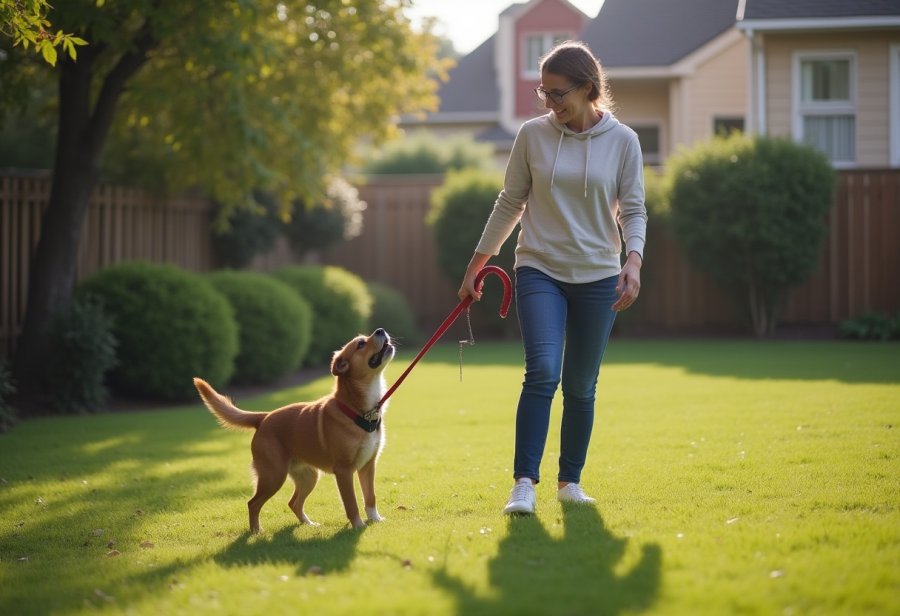
Walking calmly with your dog might seem straightforward, but it’s one of the most effective ways to build trust and deepen your bond. When your dog learns to stay relaxed and focused during walks, it creates a peaceful environment that benefits both of you. Calm walks help reduce your dog’s stress, prevent behaviors like pulling or lunging, and make outings safer and more enjoyable. It’s not just about obedience; it’s about establishing a tone of harmony that transforms a routine activity into a shared moment of connection.
This kind of walking fosters mutual respect. When your dog stays calm at your side, it shows they trust your leadership and feel secure with you. That trust makes training easier and helps prevent conflicts caused by overstimulation or anxiety. Over time, these peaceful walks become a foundation for a stronger relationship, built on calm communication and understanding.
Practicing calm walking also benefits your dog’s overall well-being. Overexcitement and stress can lead to behavioral issues, but consistent, relaxed outings teach your dog how to manage excitement and focus on you. This not only makes walks more pleasant but also improves behavior in other settings, like parks or busy streets.
Approaching each walk as an opportunity to reinforce patience, consistency, and positive reinforcement helps turn calm walking into a routine. Celebrating small successes boosts your dog’s confidence and reinforces the connection between calmness and trust. With practical tips and a patient mindset, you can turn everyday walks into peaceful, bonding moments that set the stage for a lifetime of calm and happy outings.
Master the Foundations of Canine Behavior and Effective Training
Understanding dog behavior is the cornerstone of effective training, especially when aiming for calmness and focus. Dogs are social animals that thrive on clear, consistent communication. Learning to read their body language—such as tail wagging, ear positions, or signs of stress—helps you respond appropriately and build a foundation of trust. When your dog feels understood and secure, they are more receptive to training and more likely to stay calm during walks.
Positive reinforcement stands out as the most effective method for teaching your dog calmness. Instead of punishing undesirable behaviors, rewarding calm and focused actions encourages repetition. Praising or offering treats when your dog walks beside you without pulling or lunging reinforces these good habits, making them more natural over time. Consistent cues and routines further solidify this understanding, as dogs thrive on predictability.
Patience is vital throughout this process. Dogs don’t learn overnight, and setbacks are part of the journey. Maintaining a calm, persistent attitude reassures your dog that they are safe and supported. Building trust means showing them that relaxed, attentive behavior is what earns your approval, which helps reduce anxiety and overexcitement. Gentle guidance combined with positive feedback fosters a secure environment where your dog can thrive.
Familiarity with key training commands like “heel” or “loose leash” is crucial for clarity. Using tools such as clickers or treats as immediate rewards sharpens your dog’s understanding of what you expect. This clarity accelerates progress and deepens your bond, as your dog learns to associate your cues with positive outcomes. The result is a dog that’s more confident, focused, and eager to learn.
By grounding your training in trust, patience, and consistent communication, you create a supportive framework for calmness and focus. When your dog understands what’s expected and feels safe, they’re more likely to stay relaxed and attentive during walks. This foundation transforms training from a chore into a shared journey, strengthening your bond and setting the stage for peaceful, joyful outings.
Step-by-Step Strategies to Achieve Calm and Focused Walks
Teaching your dog to walk calmly at your side relies on consistent practice and patience. Start in a quiet environment with minimal distractions, using a short leash to keep control and help your dog focus. Introduce a clear command like “heel” or “let’s go,” pairing it with treats or praise when your dog stays relaxed beside you. If they pull ahead or lag behind, gently pause and guide them back to your side before moving forward. This teaches that staying close and calm is rewarded, while wandering or pulling stalls the walk. Repeating this process regularly helps reinforce good habits and builds your dog’s confidence.
As your dog improves, gradually extend your walks and add small distractions, like passing people or other animals. Reward calm focus immediately, so your dog begins to associate relaxed behavior with positive reinforcement even amid stimuli. If your dog becomes overly excited or distracted, revert to a quieter setting or shorter sessions to prevent frustration. Consistency and patience are key; over time, these exercises will become second nature, and calm walking will feel like a normal part of your routine.
Keep training sessions short—around five to ten minutes—and always end on a positive note. Even slow progress deserves praise, which keeps your dog motivated and eager to learn. Use treats, praise, or gentle petting to reinforce calmness, and respond calmly if your dog pulls or gets distracted. Remember, setbacks are normal; they’re simply chances to revisit earlier steps and reinforce calm responses.
Focus on maintaining a steady routine with the same commands and cues each time. Consistency helps your dog understand what’s expected and reduces confusion. Over time, these repeated, positive experiences will create a natural rhythm during walks, turning calm, focused walking into the new normal. Your dog will begin to see walks as a peaceful, bonding activity rather than a chaotic event.
Integrate these techniques into your daily life by making walks predictable and structured. Regularly practicing calm walking at set times helps your dog anticipate and settle into a relaxed state. Using familiar cues and rewards during everyday outings builds trust and reinforces good behavior in real-world situations. The more you practice, the more confident your dog becomes in maintaining focus despite environmental distractions.
Patience and persistence will transform these exercises from effort into habits. Celebrate small victories along the way, knowing each step forward strengthens your bond. Remember, every walk is an opportunity to reinforce calmness and trust. With consistency, your dog will learn that staying relaxed by your side is always rewarded, making every outing more peaceful and enjoyable for both of you.
Integrate Calm Walking into Your Daily Routine for Lasting Success
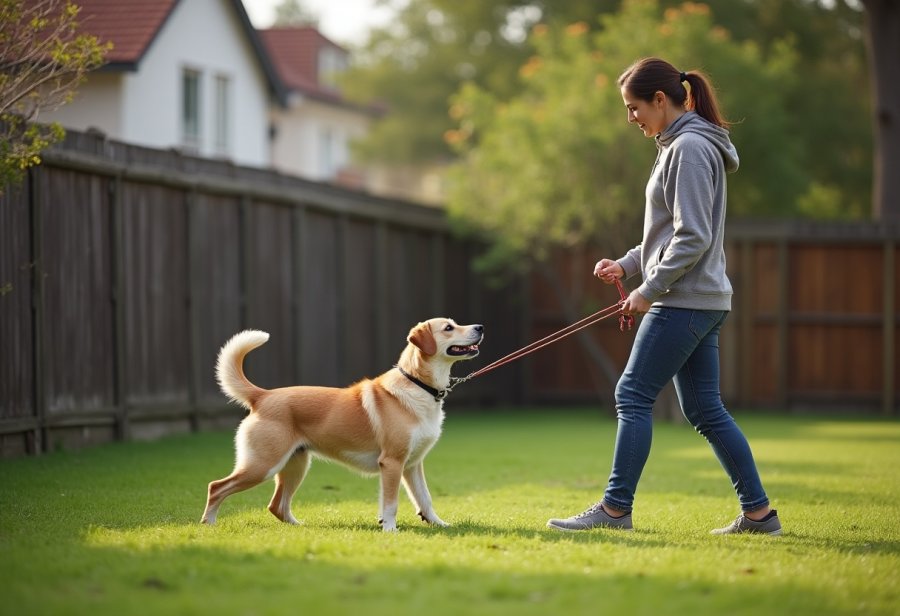
Integrating calm walks into your daily routine makes training feel natural and sustainable. Consistency is key—by walking at the same times each day, your dog begins to anticipate calm behavior, which reduces excitement and anxiety. Whether it’s a quick morning stroll or an evening outing, sticking to a schedule helps reinforce your training and builds your dog’s confidence in focusing on you, regardless of the environment.
Make your walks predictable by choosing specific times and routines. When your dog knows what to expect, they’re more likely to remain relaxed and attentive. As your dog becomes more comfortable, you’ll notice improvements even in busier settings like parks or streets filled with distractions. This routine helps your dog see walks as a positive, structured part of their day, fostering a sense of security and trust.
Keep training sessions brief—around five to ten minutes—and always aim to end on a positive note. Success, no matter how small, keeps your dog motivated and eager to continue learning. Use treats, praise, or gentle petting to reinforce calm behavior, especially when they resist distractions. If your dog gets overly excited or distracted, calmly redirect their attention and revisit simpler environments until they regain focus.
Incorporate familiar cues and consistent rewards during your walks. Using the same commands, like “heel” or “let’s go,” helps your dog understand expectations and creates a clear communication channel. Over time, these routines become second nature, transforming walks from chaotic adventures into peaceful, bonding moments. The more predictable and positive your routine, the better your dog will learn to stay calm, no matter the setting.
Every walk becomes an opportunity to strengthen trust and reinforce good habits. Patience and persistence turn these routines into lasting behaviors, fostering a calm, confident dog who enjoys peaceful outings. With regular practice and a steady approach, calm walks will become an effortless part of your shared life, deepening your bond and making every outing more enjoyable.
Smart Budgeting and Resources for Effective Dog Training
Training a dog to walk calmly at your side doesn’t have to be expensive, but a little planning can go a long way. Essential tools like a well-fitting harness, a sturdy leash, and tasty treats are affordable and highly effective. Quality harnesses typically cost between $20 and $50, and treats can be bought in bulk or made at home for pennies. These items are the foundation for positive reinforcement and help your dog associate calm walking with rewards, making training smoother and more enjoyable.
If you’re interested in professional guidance, group training classes offer a budget-friendly option. These sessions usually range from $100 to $200 for a series of classes, providing expert advice and socialization opportunities. Private trainers tend to be more costly, often $50 to $100 per hour, but many online resources—videos, articles, and forums—are free or low-cost, giving you plenty of support without stretching your budget.
Planning your spending ensures your training stays consistent without surprises. Treats, equipment, and occasional expert advice are manageable expenses compared to the long-term benefits of a well-behaved dog. Replacing worn gear or trying new tools can be done gradually, and using household items like a simple rope or fabric leash, along with homemade treats, can save money while still being effective.
Many communities offer low-cost or free resources, such as local shelters or rescue groups that partner with trainers or host workshops. Pet stores and vet clinics often provide discounts or loyalty programs that help stretch your dollar further. Staying consistent and making use of these resources keeps your training on track without financial stress.
Remember, the goal isn’t to overspend but to invest wisely in your dog’s development. With a clear budget and the right tools, you’ll see steady progress. The real investment is in the improved bond and peaceful walks that result from your consistent effort.
Every dollar spent on proper equipment, training, and resources pays off in calmer, more confident outings. Focus on quality over quantity—small, meaningful investments lead to big gains in your dog’s behavior and your shared enjoyment. Over time, these investments foster a sense of security and trust that makes calm walks a natural part of your routine.
By managing costs thoughtfully, you create a sustainable training plan that benefits both you and your dog. Patience and persistence, combined with smart spending, turn training into a rewarding journey—one peaceful walk at a time.
Establish a Consistent Routine to Reinforce Calm Walking Habits
Getting into a consistent routine is key to turning calm walking into a lasting habit. Pick specific times each day for walks, and stick to them as closely as possible. When your dog begins to expect calm behavior at these moments, it becomes easier for them to settle and focus. Before you step out, briefly review your cues and reinforce relaxed behaviors with treats or praise, setting a clear, positive tone for the walk.
Start each session with the same commands, like “heel” or “let’s go,” and reward your dog for staying relaxed at your side. If they pull ahead or become distracted, calmly pause and guide them back to your side before moving forward. Repeating this consistently helps your dog associate calmness with rewards and reinforces the desired behavior. Keep sessions short—around five to ten minutes—and always end on a positive note to maintain motivation.
As your dog gains confidence, gradually extend the length of your walks and introduce mild distractions, such as passing people or other animals. Reward focus and patience throughout, reinforcing that calmness pays off. If your dog becomes overly excited, revert to quieter environments or shorter sessions until they regain composure.
Make use of familiar cues and routines to build predictability. Employing the same commands during walks creates clarity and reduces confusion. Over time, these consistent practices will transform walks from chaotic to peaceful, strengthening your bond and making outings more enjoyable. The goal is for calm, attentive walking to become the natural rhythm of your daily life, not just a training exercise.
Remember, progress takes patience. Small, steady steps build lasting habits. Celebrate each success, knowing that every calm walk deepens trust and connection. With persistence, your dog will come to see peaceful outings as a reliable, shared experience—one that fosters confidence, relaxation, and joy for both of you.
Navigate Setbacks and Adjust Your Approach for Better Results
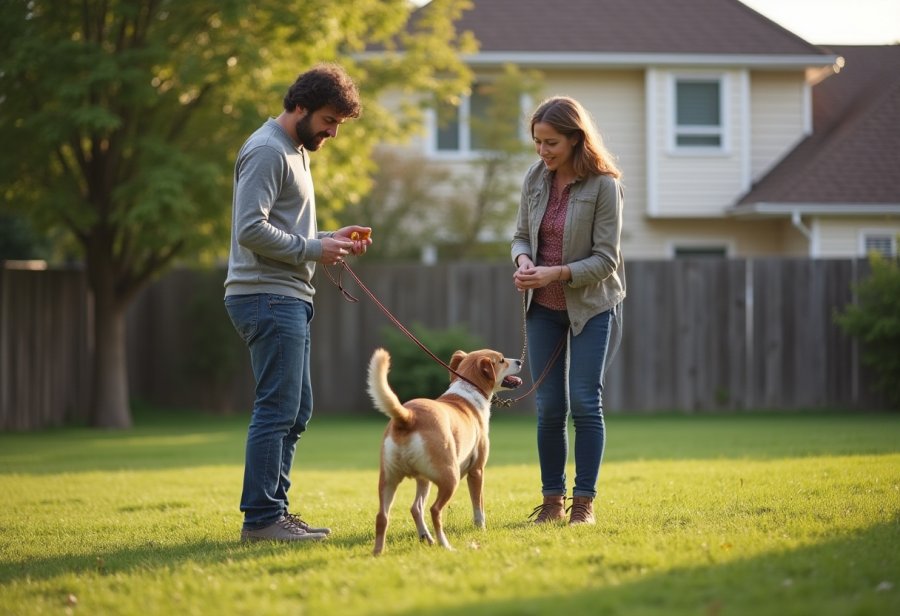
Training setbacks are a normal part of helping your dog develop calm leash manners. Instead of viewing these moments as failures, see them as opportunities to learn what’s working and where adjustments are needed. If your dog becomes overwhelmed by distractions like other dogs or loud noises, take a step back and reintroduce those stimuli gradually. Reward calm focus in controlled environments, then slowly increase exposure to real-world distractions to help your dog build confidence rather than frustration.
Pulling or lunging often signals excitement or uncertainty. When that happens, pause calmly and guide your dog back to your side. Reinforce relaxed behavior immediately with treats or praise so they understand that staying calm earns attention and rewards. If your dog shows signs of anxiety or becomes overly aroused, give them space to settle down or move to a quieter spot. This resets their emotional state and reassures them that calmness is always rewarded.
Adjust your training plan if setbacks persist. Rushing into challenging situations before your dog is ready can undermine progress. Instead, slow down and revisit earlier steps, reinforcing calm responses in less stimulating settings. Sometimes, a brief break or switching to a more familiar environment helps your dog recover and approach new challenges with confidence. Patience in these moments not only prevents frustration but also teaches your dog resilience.
If behavioral issues linger despite consistent effort, consulting a professional trainer or veterinarian can provide valuable insights. They can help identify underlying causes like anxiety or health concerns, and suggest tailored strategies. Recognizing when external help is needed demonstrates your commitment to your dog’s well-being and can accelerate progress.
Remember, setbacks are part of the learning process—they teach you your dog’s triggers and stress points. Use these experiences to refine your approach, maintaining a calm and supportive attitude. Your steady patience reassures your dog that they’re supported through challenges, strengthening your bond and making progress more sustainable.
Staying adaptable is key. Track what causes setbacks and what calms your dog. This awareness allows you to modify your training in real time, preventing setbacks from becoming barriers. With persistence and a calm outlook, these obstacles become temporary hurdles that lead to stronger, more confident leash manners.
Finally, celebrate small victories along the way. Recognize each moment your dog responds calmly, and use setbacks as learning tools. Your consistent, patient approach transforms challenges into stepping stones toward peaceful, confident walks. Over time, setbacks fade into routine, making every outing a rewarding experience for both of you.